You know, there is this weird kind of silence you only get at the top of the world. It’s not just that it’s quiet. It is like the air itself has some weight to it, just pressing down on everything. The first time it hits you, it’s a lot to take in. You’re standing on the deck of this little boat in the middle of Svalbard, and it hits you that nature is totally in charge here. I guess that’s really why people come up here in the first place, right? To feel that?
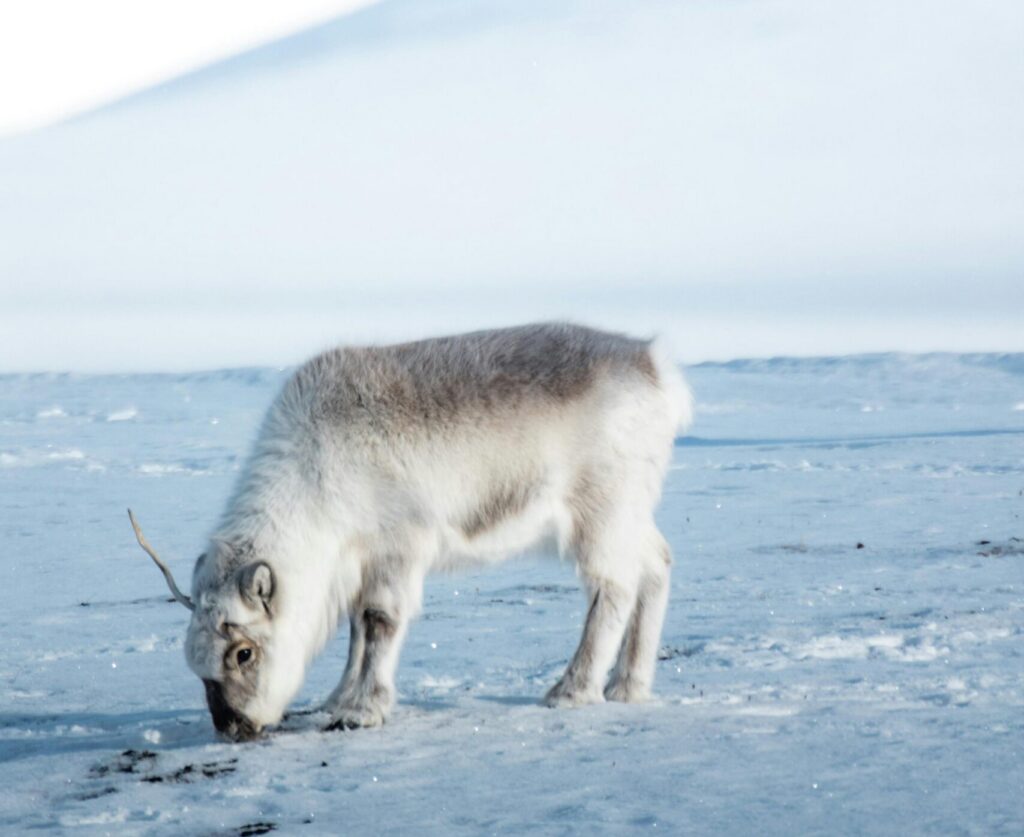
Svalbard is a cluster of islands sitting way up between Norway and the North Pole. It’s basically the end of the line. Most people look for “remote” places, but this is different. It’s raw. It’s unscripted. But I’ve often wondered, do we actually want to be at the mercy of a map? Like, really at its mercy?
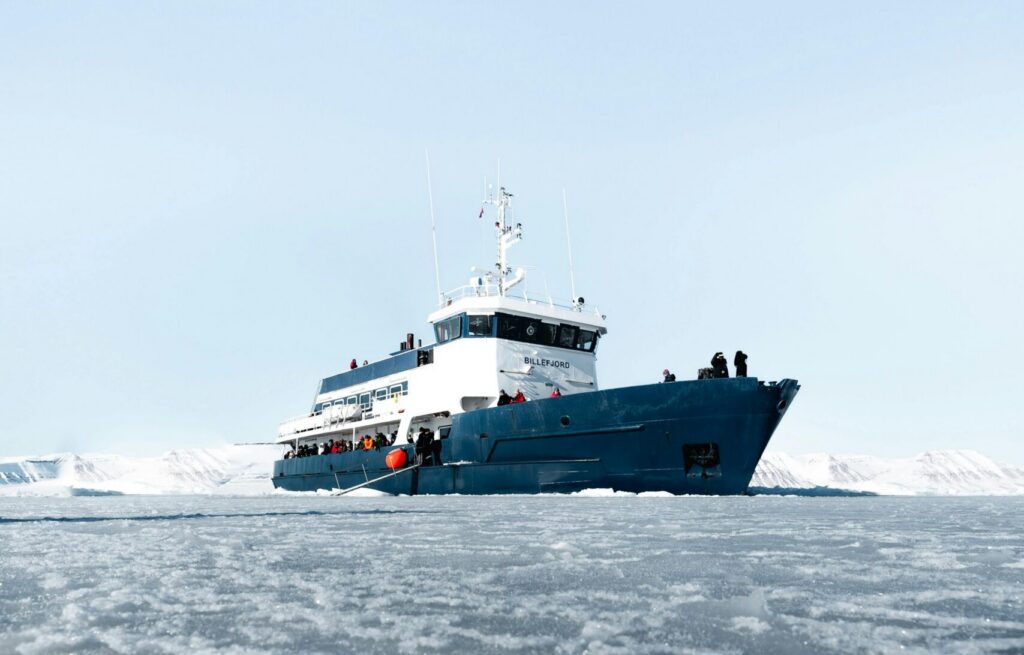
How do you choose to see this place? That is the big one. Big cruise ships? They have their uses, sure, but they’re kind of the opposite of what the Arctic is about. If you want to actually get it, you have to be right there. You need to feel the hull vibrating when it hits a bit of slush. You need to hear a whale breathe in a fjord when the engines are off. And that is exactly the point. A small ship is the only way to do that.
Looking for Scandinavia in the summer? Read more: The Stockholm Sashay: A guide to Summer in Sweden’s capital city
Getting to spots big boats can’t reach
The way Svalbard is shaped, it’s all deep fjords and tiny inlets, usually full of floating ice. Big ships just can’t get in there. They have to stay out in the deep water, which means you’re basically looking at the “real” Arctic through binoculars. That’s not the same thing.
A small ship is like having a skeleton key.
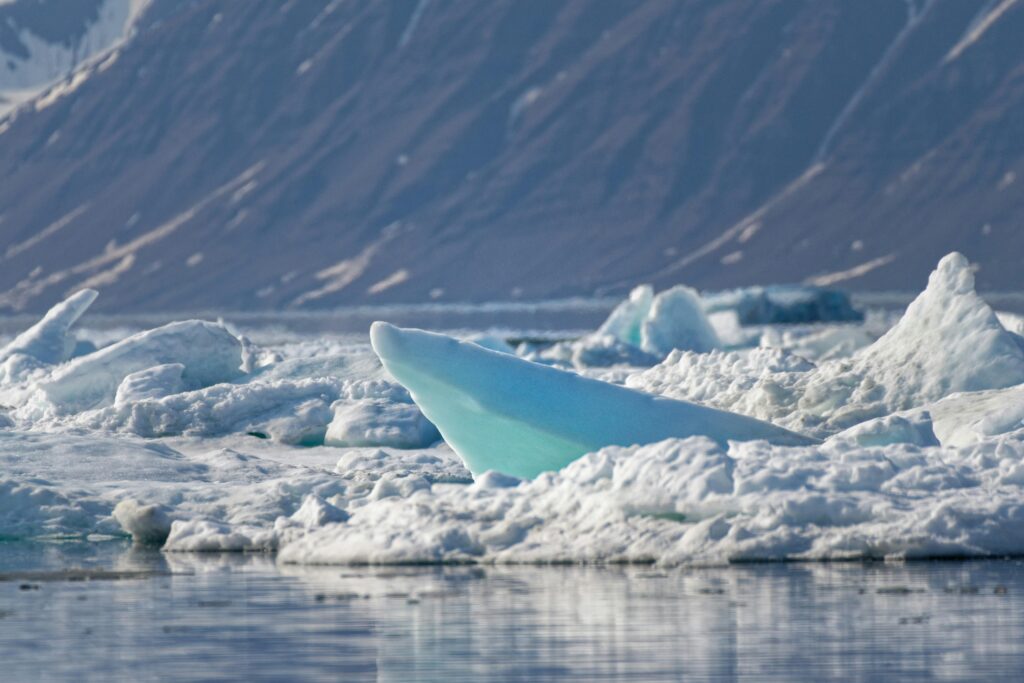
It can just slide into these shallow bays where the glaciers meet the ocean. You’re close enough to watch the ice break off and crash into the water from a few hundred yards away. It changes how you look at things. Maybe it’s just the way that freezing air bites at your cheeks when you’re staring at a wall of blue ice. It makes you feel tiny. But in a good way, you know?
Everything is more fluid on a small boat. Up there, the ice and the weather are the ones calling the shots. If someone spots a group of walruses just chilling on a beach, a small ship can just stop. No drama. No waiting in line with two thousand other people to get on a lifeboat. You’re just… out there. While the moment is happening.
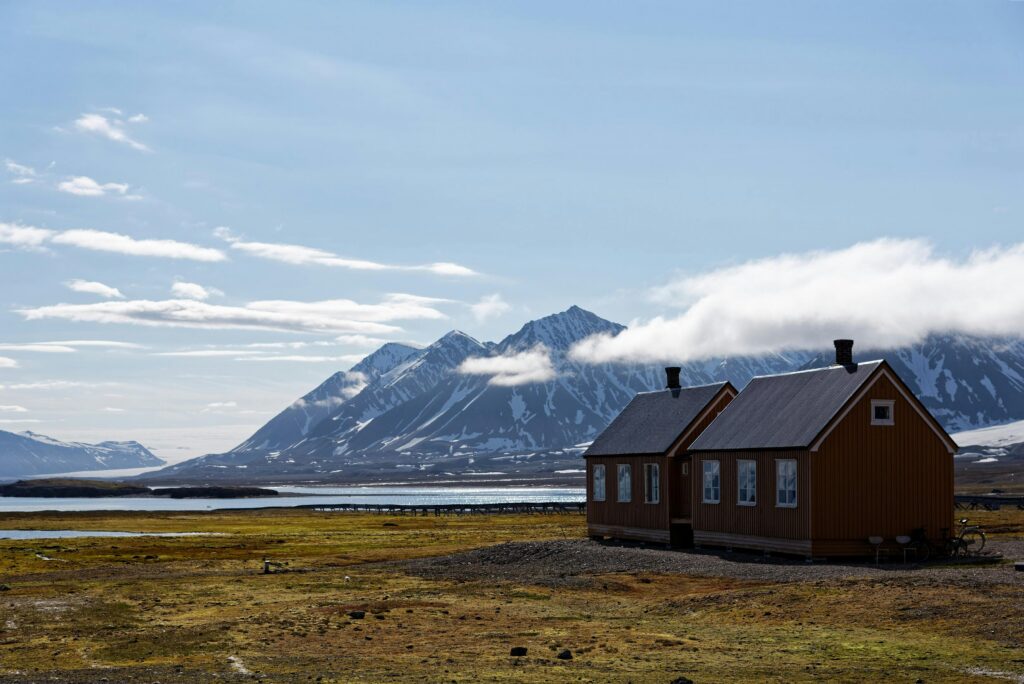
Seeing the “locals”
Wildlife up there is pretty shy. If you’re looking for a polar bear or maybe those weird, ancient-looking muskox, you have to be quiet. Big ships are loud. They’re huge. They usually scare off everything before you even get close. It’s about respect, really.
A small boat just moves differently.
It’s got a lighter footprint. It doesn’t make as much noise in the water, so you actually get to see animals doing their own thing. Isn’t that the whole reason to go? To see life without us messing it up? There’s a real rush in being the quietest thing in the room for once.
Plus, you actually get to talk to the guides. These people live for this stuff. On a giant ship, you might see them on a stage from a hundred rows back. On an expedition boat? You’re having a coffee with the biologist. You end up learning things you didn’t even know to ask, just by being there in the moment with them. At some point, it clicks that this place isn’t meant to be rushed or seen from a distance; it’s something you move through slowly, with people who know how to read it. That’s usually when the idea of what the best Arctic cruise actually is starts to shift, becoming less about the ship itself and more about how deeply it lets you experience everything around you.
A calm solitude
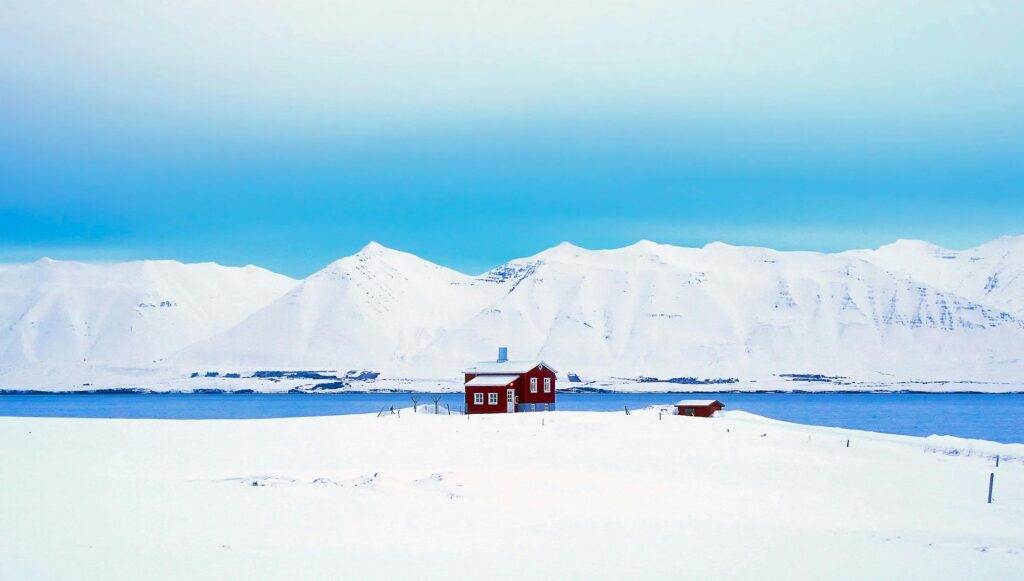
The world is just too loud. We’re always on our phones, always “busy.” Svalbard lets you just stop. There’s something that grounds you when you look at a horizon and see zero buildings. No roads. No people. On a small ship with just a few others, you actually get to keep that feeling. You aren’t fighting for a spot at the rail with someone’s selfie stick in your face. It’s just you, the wind, and the ice.
You start noticing the small stuff. The way the ice isn’t just white, it’s cobalt and turquoise. You hear the “bergy bits” (that’s the small ice chunks) crackling as they melt because they’re releasing air that’s been trapped for thousands of years. You miss that on a big ship.
It’s not just a backdrop for a photo. It’s a whole thing that needs you to pay attention. Do we even know how to do that anymore? Just sit and look? Maybe we forgot.
Doing it right (responsibly)
The Arctic is falling apart because of the climate, and it’s happening fast. You can’t just go up there and not think about it. Smaller ships just have a smaller impact. Fewer people means less pressure on the ground when you go ashore. It’s easier to follow the rules and stay away from the animals when there are only a dozen of you.
When you go small, you’re usually picking a trip that cares more about the environment than “entertainment.” There are no casinos here. No shows. The show is the midnight sun turning the mountains pink at 1:00 AM.
The sun that never goes away
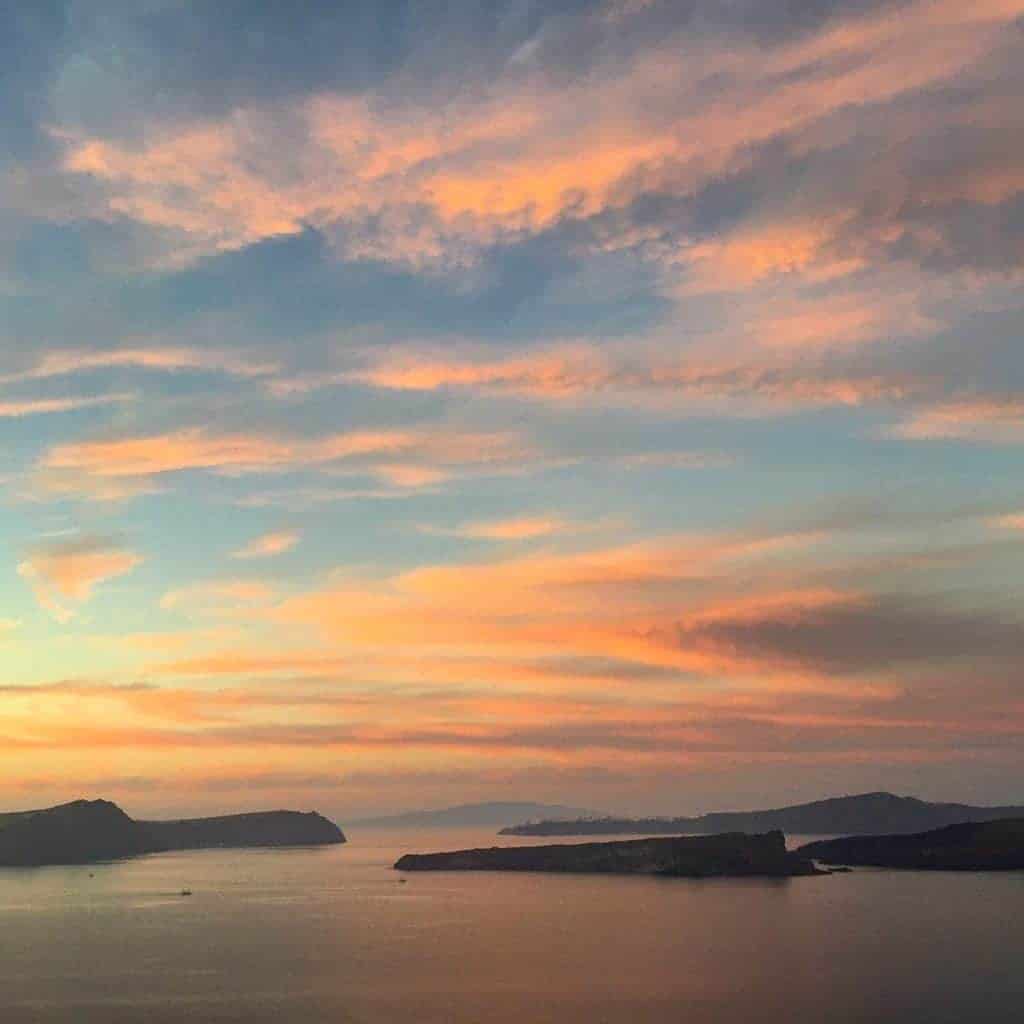
In the summer, the sun just doesn’t set. It’s weird. It totally messes with your head. You’ll find yourself standing on the bridge at two in the morning, just watching a glacier glow. It’s that transition from the hum of a laptop at home to the low hum of the ship’s engine in a silent fjord. It’s kind of eerie, but also the most peaceful thing ever.
The Arctic isn’t just a bucket list thing. It changes you. It reminds you that the world is massive and that some parts of it don’t care at all that we exist. A small ship gives you that safety net to explore, but it keeps the experience real.
It’s the ultimate escape because it takes you to the edge and tells you to look. But are you actually ready for that kind of stillness? I guess we’re all looking for something different up there. Maybe you just find a version of yourself that’s a bit quieter.
Ready to start planning?
If you’d like fresh updates on our latest guides, stories, and recommendations (even special deals!), please subscribe to my monthly Pure Wander newsletter.
Also, download our FREE PDF that shares all my best basics, from points and miles redemptions, choosing the right travel insurance, scoring free upgrades at hotels and more.
Follow along with me (Eileen!) on social: Instagram, Tiktok and Pinterest