Physical play forms the foundation of healthy childhood development, yet finding quality indoor play environments often proves challenging for even the most dedicated parents. It’s important to know what to look for while on a trip, as a playspace can be a wonderful break on a rainy day or something else to do away from sightseeing.
The right facility can nurture motor skills, encourage social growth, and build confidence, while a poor choice might expose children to safety hazards or fail to support their developmental journey. Whether you’re exploring an indoor playground gresham facility, looking for a safe space to enjoy on the road, or researching options in your community, knowing what to look for helps you make thoughtful decisions that put your child’s safety and growth first.
Safety Standards and Certifications
Understanding Industry Safety Requirements
Before settling on any indoor play facility, parents need to confirm that it meets established safety standards. Seek out certifications from respected organizations like the International Association of Amusement Parks and Attractions (IAAPA) or verify compliance with Consumer Product Safety Commission (CPSC) guidelines for playground equipment. These credentials signal that equipment has passed thorough testing for structural soundness, material safety, and age-appropriate design.
When you visit facilities, ask staff about their maintenance schedules, cleaning protocols, and how they handle incident reporting. Well-run facilities keep detailed records of equipment inspections, sanitization routines, and any safety incidents that occur. Don’t feel awkward about requesting this information—quality facilities appreciate such questions as signs of responsible parenting.
Red Flags and Warning Signs
Be alert for worn equipment, insufficient supervision, or vague answers about safety procedures. Equipment should appear well-maintained, free from sharp edges, loose bolts, or damaged surfaces. Poor age separation—like toddlers playing alongside much older children on the same equipment—presents another serious concern that responsible facilities prevent through thoughtful zoning or scheduling.
Age-Appropriate Development and Play
Developmental Milestones and Play Needs
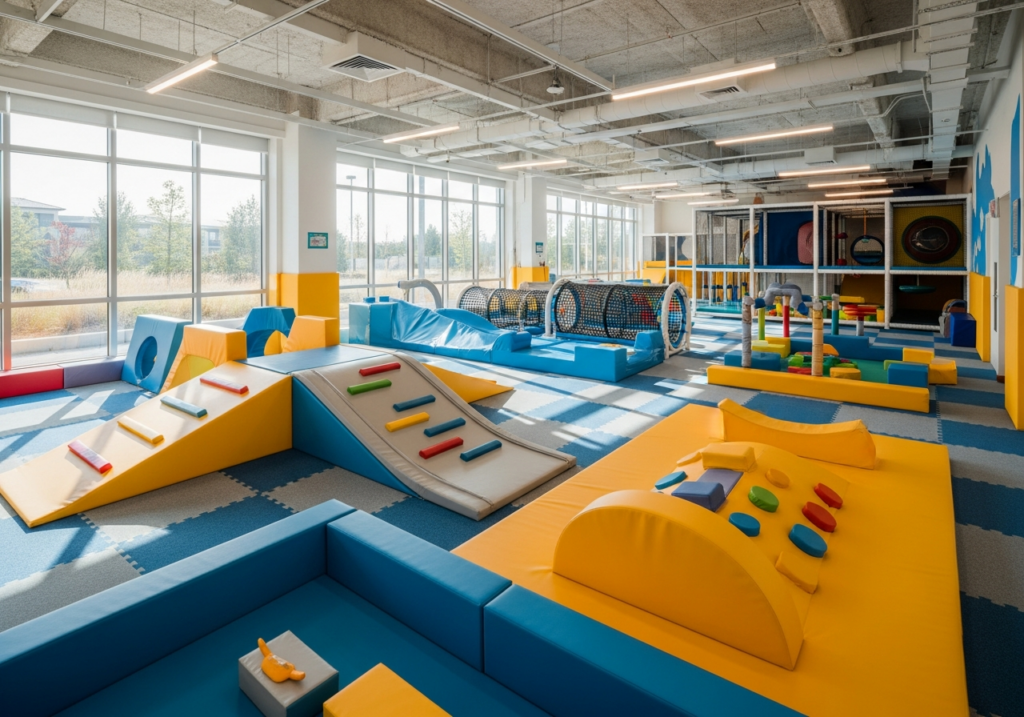
Child development research clearly shows that different age groups need distinct types of physical challenges to grow optimally. Toddlers thrive with low climbing structures that develop basic motor skills and spatial awareness, while school-age children require more complex obstacles that test coordination and problem-solving abilities.
Well-designed facilities create spaces that serve these varying needs through dedicated age zones or equipment that works for multiple developmental stages. Search for facilities offering climbing walls with varying difficulty levels, sensory play areas for younger children, and open spaces that support both guided and free play.
Evaluating Equipment for Your Child’s Stage
Notice whether the facility’s equipment appropriately challenges your child without creating frustrating situations. The finest play environments feature a gradual difficulty progression, letting children gain confidence on simpler elements before tackling more complex challenges. This approach supports natural skill building while keeping children engaged and preventing discouragement.
Social and Emotional Benefits
Building Confidence Through Play
Indoor play environments function as vital spaces for developing social skills and emotional strength. Children practice navigating peer relationships, learn sharing and cooperation, and gain confidence through physical achievements. Strong facilities balance independent exploration with group activities, creating opportunities for children with varying social comfort levels to succeed.
Inclusive Play Environments
The most worthwhile play spaces welcome children with diverse abilities and backgrounds. Seek facilities with staff trained in inclusive practices, equipment accessible to children with different mobility needs, and policies that encourage respectful interaction among all visitors. These environments benefit every child by building empathy, understanding, and social awareness.
Practical Evaluation Criteria
Location, Hours, and Accessibility
Think about how facility logistics fit with your family’s routine. Convenient location and flexible hours make regular visits more realistic, turning play from an occasional outing into a steady developmental opportunity. Consider parking availability, public transportation options, and whether operating hours work with your schedule.
Cost and Value Assessment
Compare pricing structures across facilities, weighing membership options against single-visit fees. Account for extra costs like food, parking, or special activities. The priciest option isn’t always the best choice: focus on value relative to safety standards, developmental benefits, and your child’s particular needs.
Cleanliness and Maintenance Standards
Watch cleaning practices during your visit. Staff should routinely sanitize frequently touched surfaces, and the facility should maintain visible cleanliness throughout all areas. Notice restroom conditions, food service areas, and equipment upkeep: these details reveal overall operational quality.
Making Your Final Decision
Creating a Comparison Framework
Develop a structured method for evaluating multiple facilities by ranking factors that matter most to your family. Safety must remain your top priority, while other elements like cost, location, and amenities can be weighted based on your specific situation.
Trial Visits and Observation
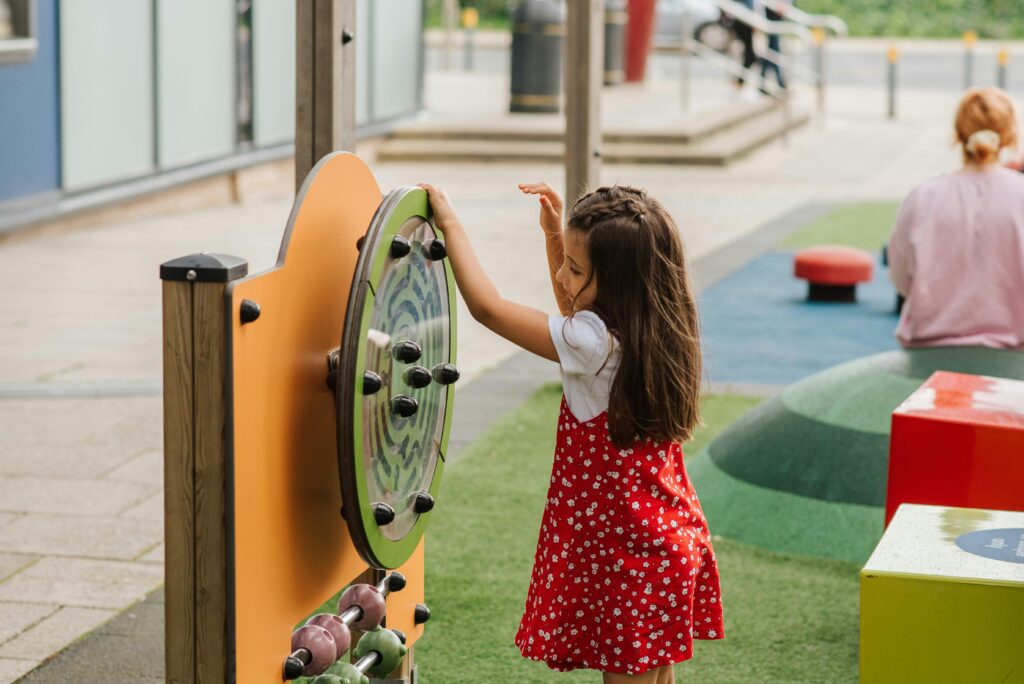
Plan several visits to potential facilities, observing during various times and days to understand typical operations. Watch how your child reacts to the environment, connects with other children, and engages with available activities. Trust your gut: if something seems off during visits, dig deeper or explore other options.
Selecting the right indoor play space means weighing safety, developmental suitability, social opportunities, and practical factors. By carefully evaluating facilities against these standards and trusting your observations, you can choose environments that genuinely support your child’s development while giving you confidence in their safety and well-being.