
Camping is the best, right up until about 2am on the first night, when you’re lying on a deflated roll mat, freezing, listening to something rustle outside and wondering why you didn’t just book a hotel. It doesn’t have to be that way, though. With the right supplies and a bit of know-how, you can sleep well under canvas, and wake up to birdsong and coffee feeling like camping was the best idea you ever had. If your tent trips have been more endurance than escape, here’s how to fix that.
Your Sleep System Is Everything
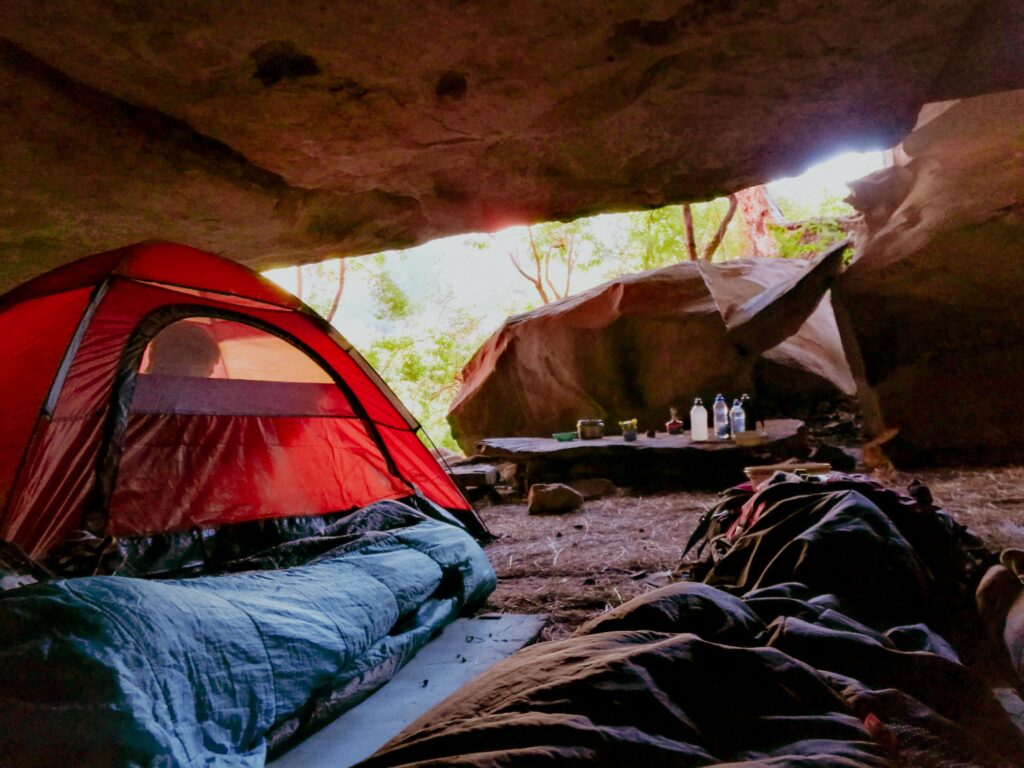
Your sleep system is the single most important thing you’ll pack, so get it right before you worry about anything else. The ground is cold and hard, and it will suck the warmth and comfort straight out of you if you let it, so a good insulated sleeping mat is non-negotiable. Self-inflating mats or a decent air bed with an insulating layer make an enormous difference, both to comfort and to warmth, and skimping here is the number one reason people have miserable nights in tents. Spend where it counts.
Don’t Skimp on the Sleeping Bag
Don’t cut corners on your sleeping bag either, because the wrong one turns a lovely night into a shivering ordeal. Check the temperature rating and be honest about the conditions you’ll actually face, remembering that nights are colder than you expect even in summer, especially in the UK. A bag rated a bit warmer than you think you need gives you room to breathe, and you can always unzip it if you get too toasty, which is a much nicer problem to have than lying awake with cold feet.
Layer Up for Warmth
Layering is the secret to staying warm through the night, and it’s about more than just your bag. Sleep in clean, dry base layers, pop on a hat because you lose a surprising amount of heat through your head, and keep a pair of warm socks just for sleeping. If it’s really cold, a liner inside your sleeping bag adds another layer of cosiness. The trick is trapping warm air around you, and a few thin layers do that far better than one thick jumper ever will.
Pitch Your Tent Wisely
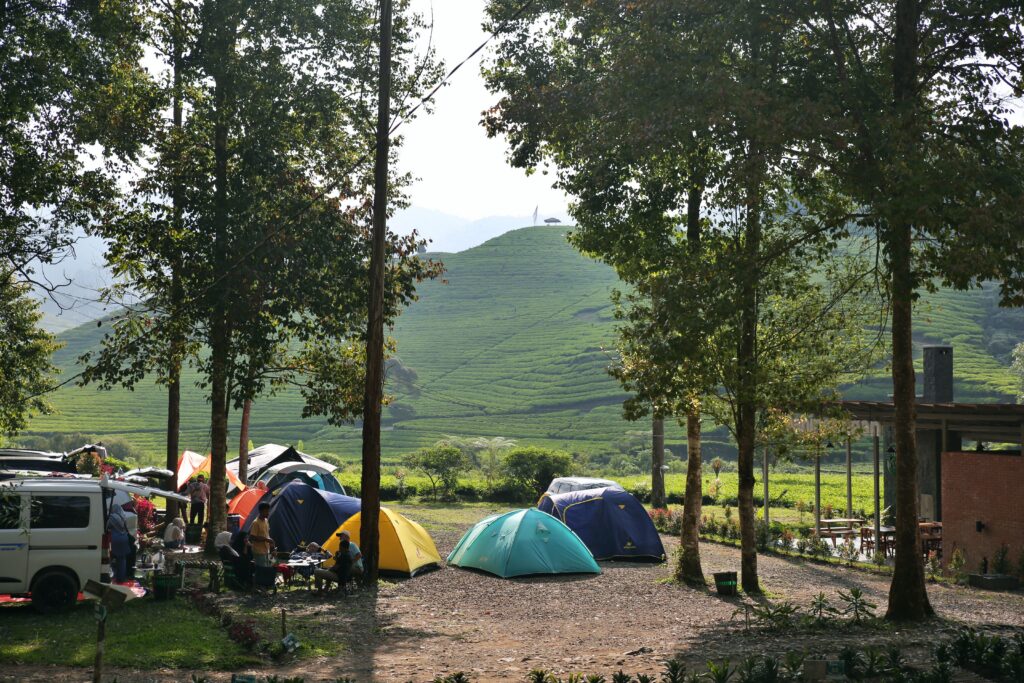
Where you pitch your tent has a huge effect on how well you sleep, so choose your spot with care. Look for flat, level ground so you’re not sliding downhill all night, clear away any stones and roots you’ll definitely feel through your mat, and try to face away from where the morning sun will hit. A slightly sheltered spot out of the wind is quieter and warmer, and avoiding the bottom of a dip means you won’t be lying in the coldest, dampest air.
Block Out Light and Noise
Light and noise are harder to control outdoors, but you’re not helpless. An eye mask is a lifesaver when the sun comes up at some ungodly hour and your tent turns into a glowing orange lantern, and earplugs take the edge off the dawn chorus and your neighbours packing up at first light. It sounds obvious, but a huge number of campers wake at 5am simply because they didn’t pack these two tiny, weightless things. Chuck them in the bag and thank yourself later.
Keep a Bit of a Bedtime Routine
Keeping a bit of a bedtime routine helps even in a field. Your body still responds to the same signals it does at home, so winding down properly, a warm drink, dimming the head torch, a few quiet minutes before you settle, tells it that it’s time to sleep. Avoid staring at your phone in the tent, since the light and the doomscrolling will keep you wired, and try to go to bed at a reasonable hour rather than sitting up until you’re overtired and past it.
The Sweet Relief of Home
Here’s the funny thing about camping: a few nights on a thin mat makes you newly, profoundly grateful for a proper mattress. There’s nothing quite like that first sleep back in your own bed after a trip, and it tends to make you notice if your everyday setup could actually be better. Whether it’s a spare room or a kid’s room that needs sorting, a comfortable single mattress for one is the kind of simple upgrade that makes coming home the best part of any camping trip, and reminds you how good real comfort feels.
Stay Warm and Dry
Staying warm and dry is the foundation everything else sits on, so take it seriously. Keep your sleeping gear bone dry, never let a damp sleeping bag anywhere near you, and ventilate the tent a little to stop condensation soaking everything by morning. A warm water bottle tucked into your bag before you get in works wonders on a cold night, and keeping tomorrow’s clothes in the bottom of your sleeping bag means you’re not wriggling into freezing cold layers when you wake up.
Get Set Up Before Dark
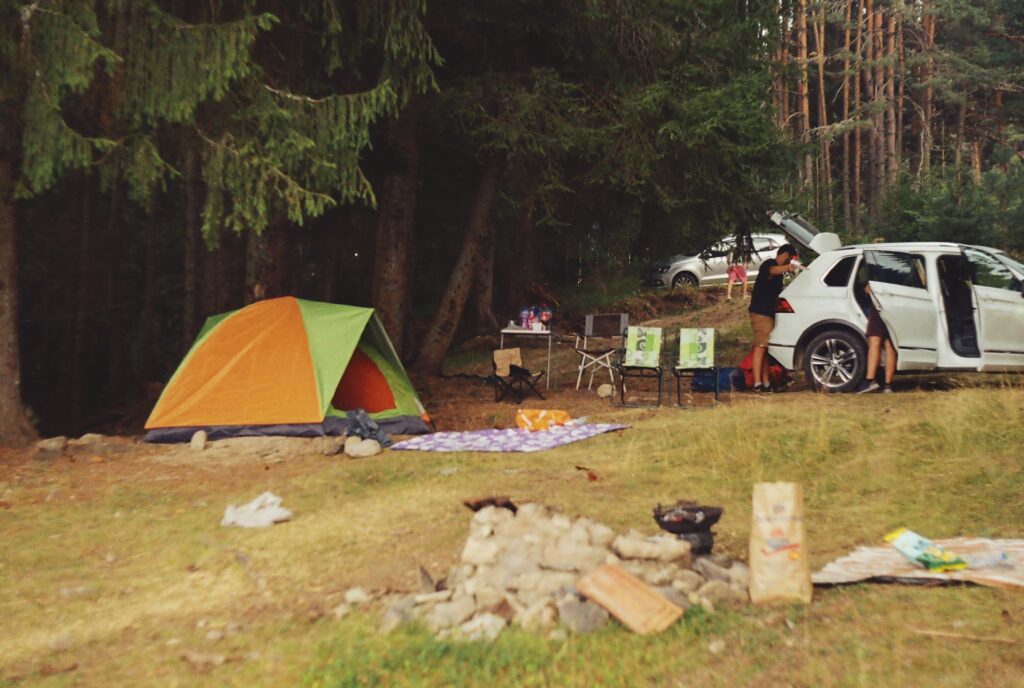
Try to reach your pitch and get the tent up before dark, because wrestling with poles and pegs by torchlight while everyone’s getting hungry and grumpy is nobody’s idea of fun. Arriving in daylight means you can choose a good spot, sort the beds out properly, and settle in calmly, which sets the tone for a far better night. A relaxed evening around camp, rather than a frantic one, makes all the difference to how easily you drop off once you finally climb into your sleeping bag.
Don’t Forget the Little Comforts
A few small luxuries turn camping from just about bearable into genuinely lovely. A proper pillow rather than a bundled-up jumper, a battery lantern for soft light instead of a harsh head torch, and a warm drink before bed all help you wind down the way you would at home. These little touches weigh almost nothing and take up hardly any room, but they’re the difference between roughing it and actually enjoying a cosy night under canvas. Camping really doesn’t have to mean suffering, whatever the hardened types like to tell you.
Camping Done Properly
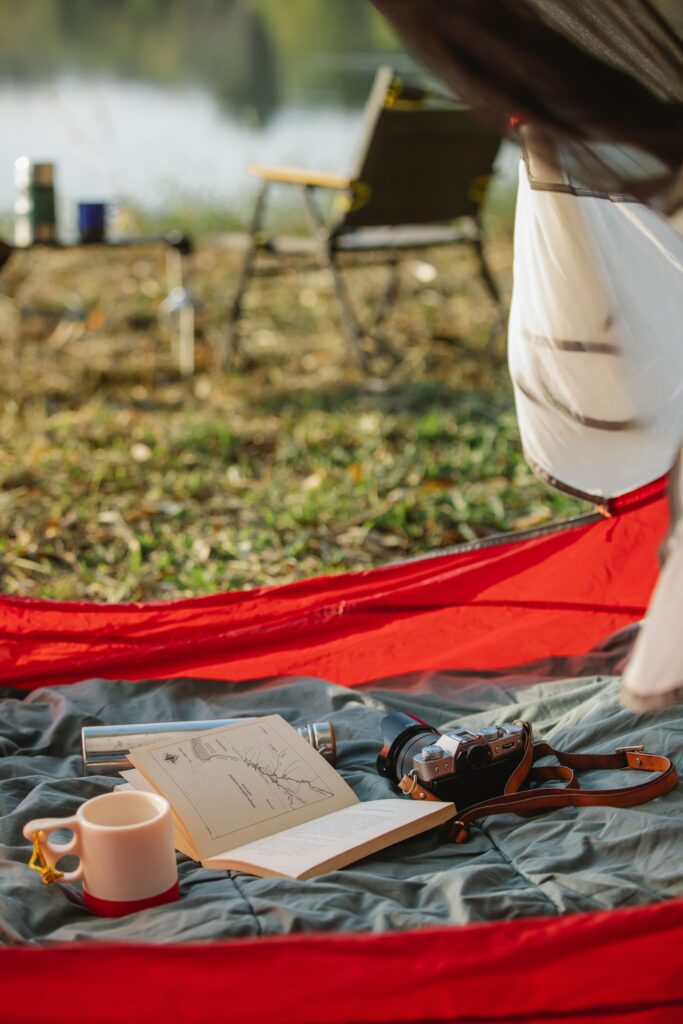
Get these things right and camping becomes what it’s supposed to be: a proper adventure that leaves you refreshed rather than wrecked. Sort your sleep system, layer up, pitch cleverly, block out the light, and keep warm and dry, and you’ll sleep better under the stars than you’d ever believe. Then you get the best of both worlds, a brilliant night in the wild and an even sweeter homecoming to your own bed. That’s camping done properly.








This is such a practical list—the tip about pitching away from morning sun and keeping clothes in your sleeping bag are game changers for tent trips.