The 2026 Cyclospora outbreak has brought a lot of attention to a foodborne parasite about which little was known until now. However, as over 10,000 Americans have discovered to their cost, the parasite Cyclospora can cause cyclosporiasis, which manifests as prolonged gastrointestinal illness, especially during warmer months when fresh produce is widely consumed. If you are traveling to the USA soon and want to know more about what’s going on, how this happened, and whether or not you need to be concerned, read on.

What is Cyclospora?
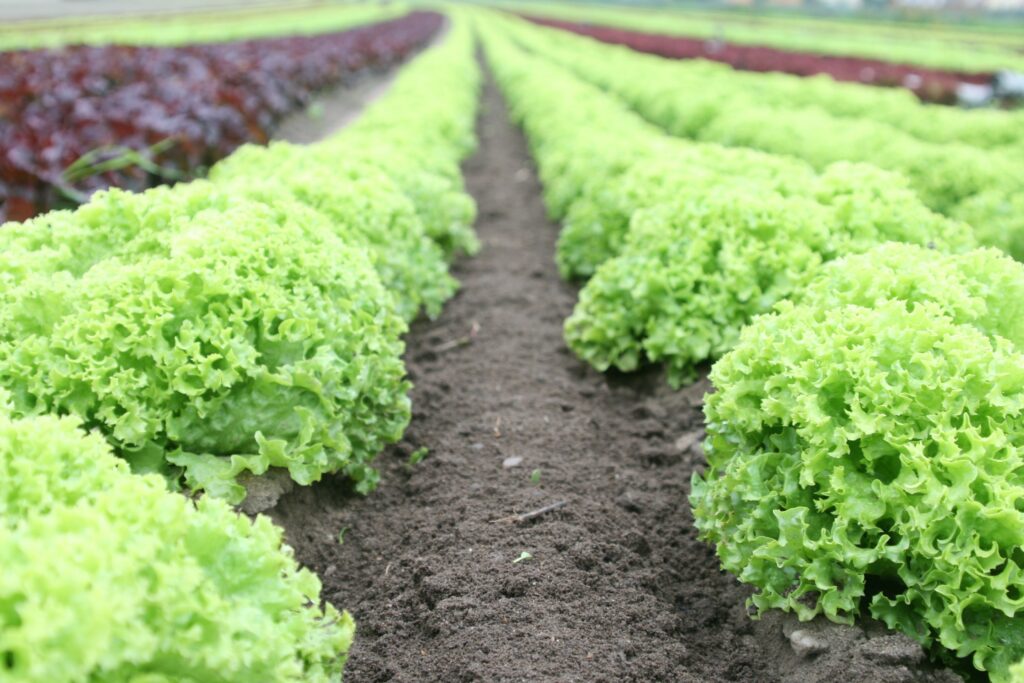
Cyclospora cayetanensis is a microscopic parasite that causes an intestinal illness called cyclosporiasis. People become infected when they swallow food or water contaminated with the parasite. The parasite’s life cycle makes it different from many other foodborne germs. After Cyclospora is passed in stool, it usually needs days to weeks in the environment to become infectious. This means that a person is unlikely to infect someone directly, but poor sanitation and contaminated irrigation or wash water around food can play an important role in outbreaks. In the United States, past outbreaks have often been associated with fresh produce, including leafy greens, herbs, berries, and vegetable trays. You can find more information here about what producers are doing to tackle the current outbreak.

PS: Want my best, personally tested travel tips all in one place?
Grab my FREE downloadable No-BS Travel Playbook!
Common symptoms to watch for
Symptoms usually begin about one week after exposure, though the timing can vary. The most common symptom is watery diarrhea that may come and go. Other symptoms can include loss of appetite, weight loss, stomach cramps, bloating, gas, nausea, fatigue, low-grade fever, and body aches.
One frustrating feature of cyclosporiasis is that symptoms can persist for weeks or longer if left untreated. Some people feel better and then relapse. Anyone with persistent diarrhea, signs of dehydration, blood in the stool, severe abdominal pain, or symptoms lasting more than a few days should contact a health care provider.
How outbreaks are investigated
When multiple people in different places report similar illness, investigators look for patterns. Patients may be asked what they ate, where they shopped, which restaurants they visited, and when symptoms began. These interviews can help identify a shared food item or distribution source.
Because fresh produce often moves through complex supply chains, tracing the exact source can take time. A product may pass through farms, processors, distributors, grocery stores, and restaurants before reaching consumers. Officials may issue recalls, public health alerts, or restaurant advisories if a likely source is identified.
Treatment and diagnosis
Cyclospora infection is diagnosed through stool testing, but not every routine stool test automatically checks for this parasite. If you have persistent watery diarrhea and think you may have been exposed, tell your clinician about possible Cyclospora risk so the correct test can be ordered.
The standard treatment is usually an antibiotic combination called trimethoprim-sulfamethoxazole, often known as TMP-SMX. People who are allergic to sulfa drugs should discuss alternatives with their health care provider. Drinking fluids is also important, especially for children, older adults, and people with weakened immune systems.

Are travelers at risk?
With good precautions, travelers to the USA should be at low risk for contracting the parasite. By following food recall notices, avoiding affected lettuce, and monitoring government advice regarding the outbreak, you should be fine.
You cannot always see, smell, or taste contamination, so prevention depends on good food safety habits. Wash hands with soap and water before preparing food and after using the bathroom. Rinse fresh produce under running water, even if you plan to peel it. Scrub firm produce with a clean brush and dry items with a clean towel.
Keep raw meats separate from fruits and vegetables, clean cutting boards and counters, and refrigerate perishable foods promptly. However, washing produce may reduce but not always eliminate Cyclospora, particularly if contamination is internal or difficult to remove from delicate leaves and herbs.
What consumers should do now
If officials identify a specific recalled product, do not eat it. Throw it away or return it according to recall instructions, and clean refrigerator shelves, containers, and surfaces that may have touched it. If you are unsure whether a product is part of a recall, follow guidance from the store, manufacturer, or health department.
People experiencing symptoms should avoid preparing food for others while ill and should seek medical advice if diarrhea persists. Keeping a record of recent meals, grocery purchases, and restaurant visits can also help investigators if you become part of an outbreak inquiry.
The 2026 Cyclospora outbreak is a reminder that fresh foods require careful handling and that public health investigations can take time. If you are visiting the USA, don’t worry, but do stay alert for official updates, follow recall instructions, practice strong food safety habits, and contact a medical professional (travel insurance could help here!) if symptoms suggest cyclosporiasis.
Thanks for hanging out! If you’d like fresh updates on our latest guides, stories, and recommendations (even special deals!), please subscribe to my monthly Pure Wander newsletter.
Also, download our FREE PDF that shares all my best basics, from points and miles redemptions, choosing the right travel insurance, scoring free upgrades at hotels and more.
Follow along with me (Eileen!) on social: Instagram, Tiktok and PinterestCheers to adventure!