Japan’s most visited temples – Senso-ji in Tokyo, Kinkaku-ji in Kyoto, Fushimi Inari – appear on almost every itinerary, and for good reason. But the country’s temple culture runs far deeper than its famous landmarks suggest, and the sites that receive a fraction of the same attention are often the ones that deliver the most direct encounter with Buddhist and Shinto practice as a living tradition rather than a tourist attraction. This article moves through Japan’s lesser-known sacred sites, covering how to reach them and what makes each worth the detour.

Getting Between the Main Corridors
The Shinkansen network is the practical backbone of any temple-focused itinerary in Japan, connecting the major cities quickly enough that day trips to remote sites become viable without sacrificing a base in a larger city. The train from Tokyo to Osaka on the Nozomi service takes two hours thirty minutes and passes close enough to Mount Fuji between Shin-Fuji and Mishima stations to produce one of the more unexpected views available from a high-speed train anywhere in the world – on a clear morning the summit is visible for around thirty seconds before the train curves away. Osaka functions as the natural western base for temple exploration in Kansai, within easy reach of Nara, Kobe, and the less-visited sites of Osaka prefecture itself.

PS: Want my best, personally tested travel tips all in one place?
Grab my FREE downloadable No-BS Travel Playbook!
Muroji: The Women’s Temple in the Mountains of Nara
Muroji temple in the mountains of eastern Nara prefecture carries a distinction that gives it a specific historical weight – while most esoteric Buddhist temples on Mount Koya barred women from entry for centuries, Muroji welcomed female worshippers throughout its history and became known as the nyonin Koya, the Koya for women. The temple complex sits in a cedar forest above the Muro River, reachable by a forty-minute bus ride from Muroguchi-Ono station on the Kintetsu Osaka line, and the approach along a stone path through the trees sets the atmosphere before any of the buildings come into view.

The five-storey pagoda, one of the smallest ancient pagodas in Japan at just under sixteen metres, is covered by a modern roof added after a typhoon brought a cedar tree down on it in 1998 – the repair was funded partly by a donation from Christian Dior, whose connection to the temple came through a Japanese fashion journalist, which is the kind of detail that Japanese temple history occasionally produces. The Kondo hall contains wooden Buddhist sculptures from the ninth century including a standing Shakyamuni that retains traces of its original pigment – the colour preservation is unusual for works of this age kept in an unheated wooden building through twelve centuries of mountain winters.
Feeling inspired? Here’s some Japan in the winter tips! Go-To Japan Ski and Snowboard Destinations
Tofuku-ji: Kyoto’s Overlooked Zen Complex
The Tokyo to Kyoto train on Tokaido Shinkansen line takes around two hours fifteen on the Nozomi, and Kyoto remains the most practical base for the central Kansai region despite its visitor numbers – the city’s transport network of buses and the Keihan, Hankyu, and Kintetsu private rail lines reaches temple sites across the surrounding mountains that the main tourist circuit never touches.
Tofuku-ji sits at the southern end of Kyoto, fifteen minutes by train from Kyoto Station on the Keihan or JR Nara lines, and its scale – the complex covers over 240,000 square metres and contains twenty-four sub-temples – makes it one of the largest Zen temple complexes in Japan. The main attraction in November is the maple forest in the Tsutenkyo ravine, which turns the gorge below the connecting bridge into a wall of red and orange that draws crowds comparable to any site in central Kyoto.
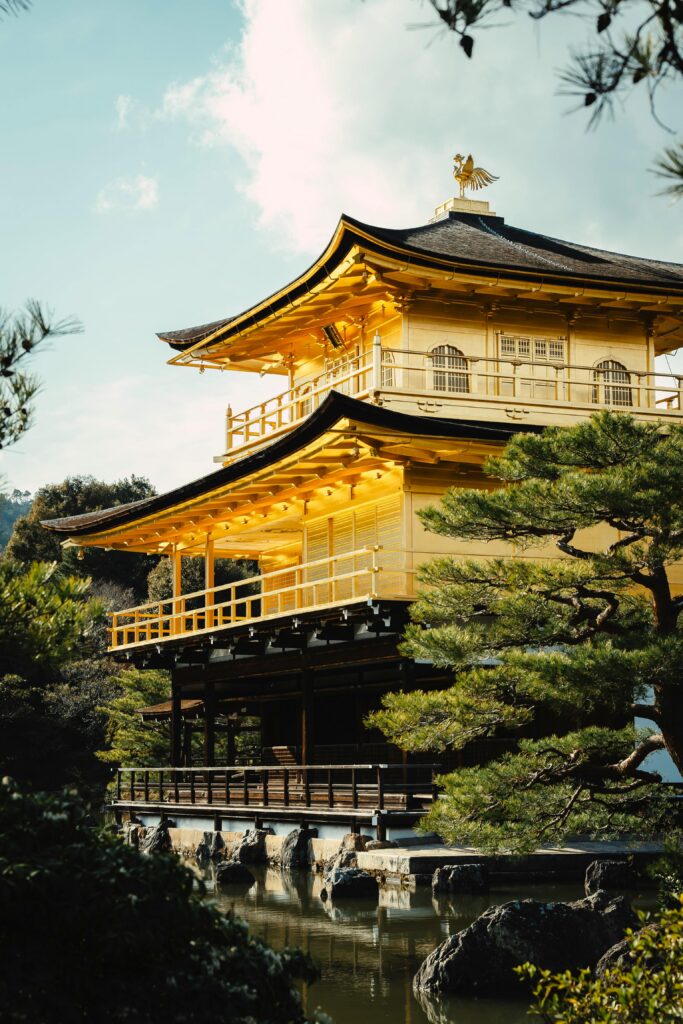
Outside the autumn colour season, Tofuku-ji receives a fraction of the visitors that Kinkaku-ji or Ryoan-ji manage and the sub-temples in the northern section of the complex, several of which have gardens designed by the twentieth-century landscape architect Mirei Shigemori, are reachable on a weekday morning in relative quiet. Shigemori’s checkerboard moss and stone garden at Tofuku-ji’s hojo, created in 1939, applies a modernist geometric logic to the Zen garden tradition in a way that was controversial at the time and remains one of the more intellectually interesting gardens in Kyoto.
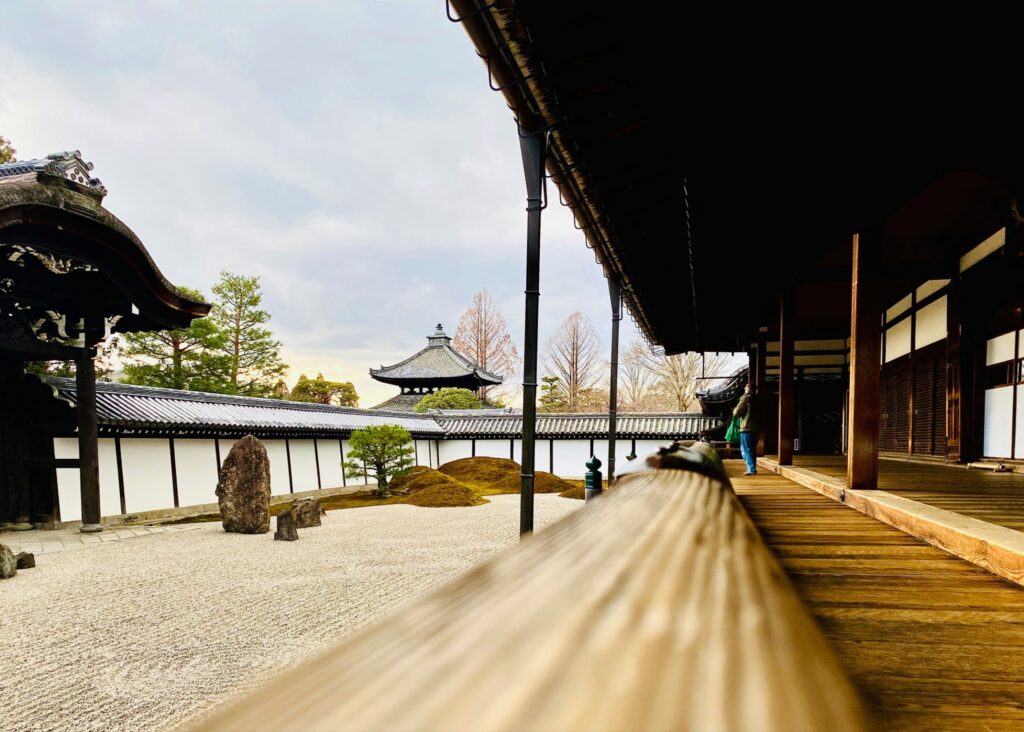
Eiheiji: The Living Monastery in Fukui’s Cedar Forest
Eiheiji in Fukui prefecture is not a heritage site but a functioning Zen monastery where around 150 trainee monks follow a daily schedule of meditation, chanting, cleaning, and work that has not changed significantly since Dogen founded the temple in 1244. Visitors are permitted to walk through much of the complex, and the experience of moving through a place where monastic practice is actively underway – monks moving silently in single file, the sound of chanting from the Butsuden, the smell of incense and cedar – is different in kind from any preserved or reconstructed religious site.
Eiheiji is reachable by bus from Fukui city, which is on the Hokuriku Shinkansen line that opened fully in March 2024 – the new connection reduced the journey from Tokyo to Fukui to around two hours and made the temple significantly more accessible than it was when the only option was a slower limited express from Osaka or Nagoya. Arriving at Eiheiji before nine in the morning gives the best chance of moving through the complex before the day visitor numbers build, and the cedar forest surrounding the buildings carries a silence in the early morning that the busier hours do not.

Yamadera – The Mountain Temple in Yamagata
Risshakuji temple in Yamagata prefecture, universally known as Yamadera – literally mountain temple – is built into and on top of a granite cliff face above the town of Yamadera, reachable by local train on the Senzan line from either Yamagata or Sendai. The approach involves climbing 1,015 stone steps cut into the rock face, passing small halls, stone lanterns, and meditation caves along the way before reaching the Okuno-in hall perched on the cliff edge with views over the valley below.
The haiku poet Matsuo Basho visited in 1689 and wrote one of his most famous verses there – about the silence of the mountain broken only by the sound of cicadas – and the verse is carved on a stone near the entrance, which gives the climb a literary dimension alongside the religious one. The town of Yamadera below the temple is small enough that the tourist infrastructure consists of a handful of soba restaurants and souvenir shops, and arriving on a weekday outside autumn colour season means sharing the steps with school groups and local walkers rather than tour buses.

Koyasan: The Mountain Town That Is Entirely a Temple
Koyasan in Wakayama prefecture is not a single temple but a monastic town of 117 temples sitting on a plateau in the mountains, founded by the monk Kukai in 816 and still functioning as the headquarters of Shingon Buddhism in Japan. The approach by cable car from Gokurakubashi station, after a train journey on the Nankai Koya line from Osaka’s Namba station, is itself part of arriving – the cable climbs steeply through cedar forest to the plateau where the town sits at 800 metres above sea level.
Okunoin, the vast cemetery at the eastern end of the main street, contains over 200,000 grave monuments beneath ancient cedars, including the mausoleum of Kukai himself where his followers believe he sits in eternal meditation. Staying overnight in a shukubo – one of the temple lodgings that offer accommodation with vegetarian Buddhist cuisine and optional participation in morning prayers – is the most direct way to experience what Koyasan is, as opposed to what it looks like, and the morning chanting in the main hall before the day visitors arrive from Osaka gives the whole place a gravity that a day trip cannot access.
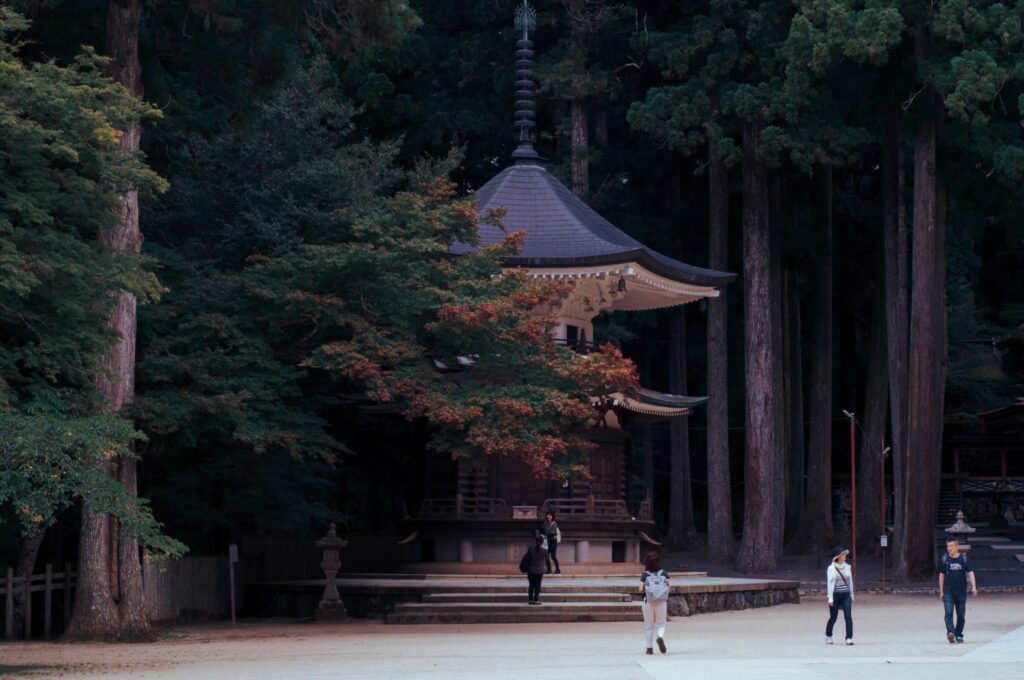
Japan’s lesser-known temples reward the traveller willing to leave the main tourist corridor and take a local bus or a regional train to the end of the line. The Shinkansen makes the main cities accessible quickly, but the sites that stay with most visitors longest tend to be the ones reached after the fast train, not on it – a monastery in a cedar forest, a clifftop hall above a mountain valley, a temple complex where the monks are still at work. Build the itinerary around the Shinkansen corridors and fill the days between with the places the guidebooks mention only briefly.
Thanks for hanging out! If you’d like fresh updates on our latest guides, stories, and recommendations (even special deals!), please subscribe to my monthly Pure Wander newsletter.
Also, download our FREE PDF that shares all my best basics, from points and miles redemptions, choosing the right travel insurance, scoring free upgrades at hotels and more.
Follow along with me (Eileen!) on social: Instagram, Tiktok and PinterestCheers to adventure!