If you drive down Victoria’s Great Ocean Road, you’ll see cliffs, rainforest, and surf beaches within a single trip. Few routes have this much variety across such a short distance, which makes it perfect for groups who can’t agree on what a good holiday looks like.
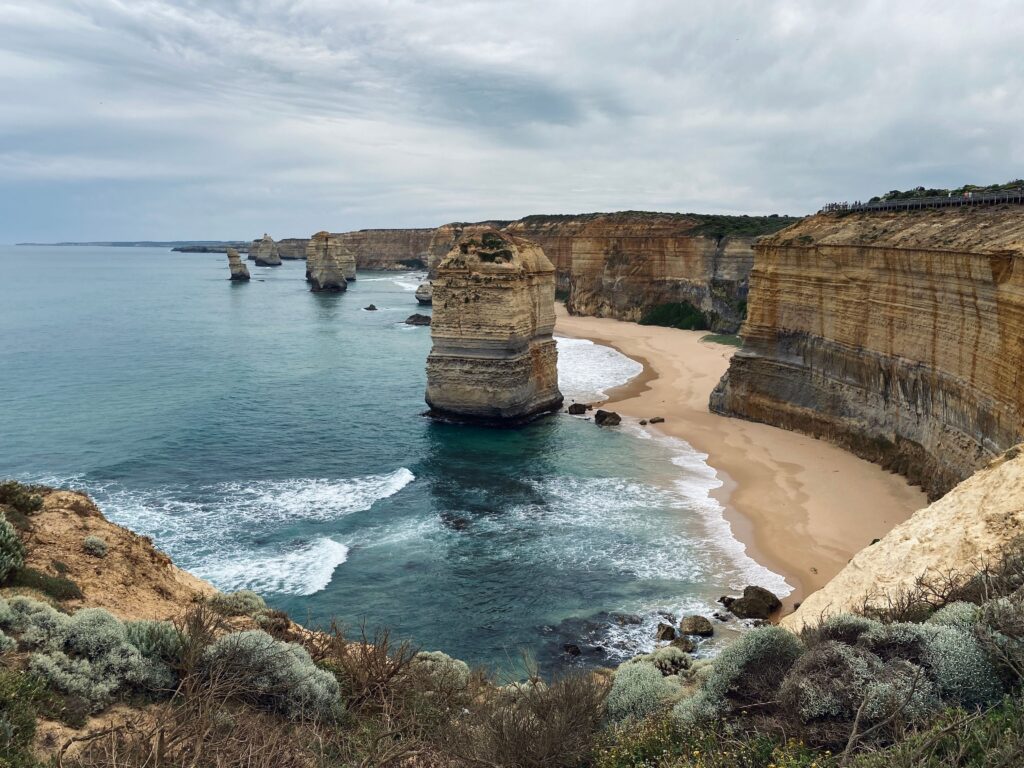
The Great Ocean Road runs about 243 kilometers, or roughly 150 miles, between Torquay and Allansford. It was hand-built by returned soldiers between 1919 and 1932, and it stands today as the largest war memorial on the planet.
Five days gives your group enough time to stop and enjoy yourselves. Below is a plan that balances big-ticket lookouts with slow mornings, so nobody feels dragged along.
Before You Set Off
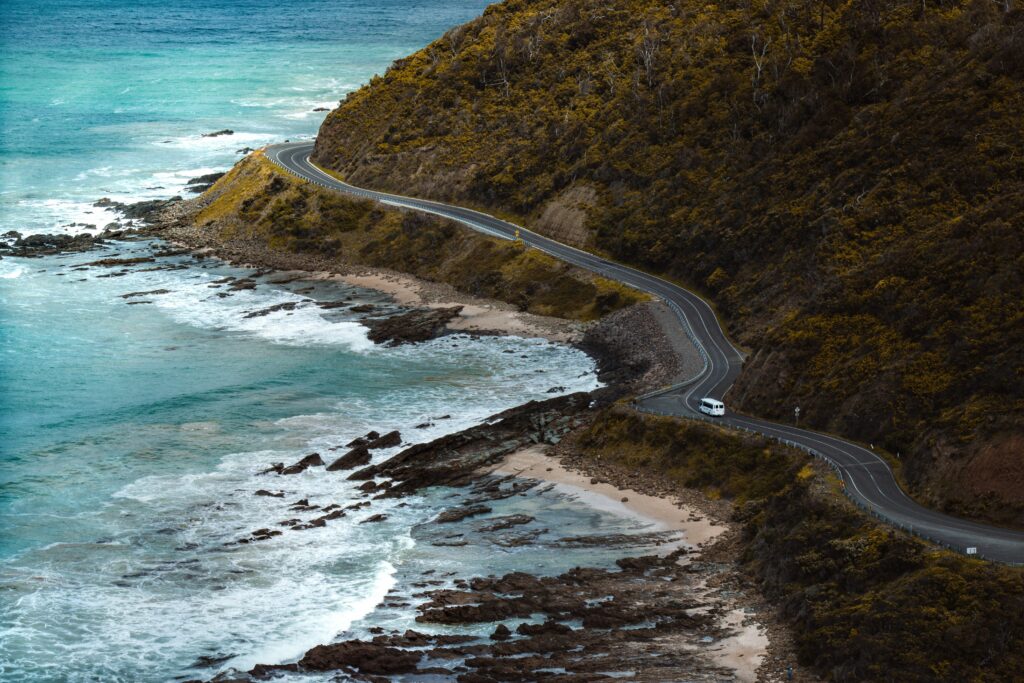
Planning matters more for the Great Ocean Road than most drives, since the route is narrow and distances can be deceptive. Sixty kilometers can take two hours once you factor in bends, roadworks, and photo stops.
Your group will travel better when you make some decisions early:
- Book accommodation in advance. Lorne, Apollo Bay, and Port Campbell fill fast over summer and school holidays. Vacancies often disappear by October for a January trip.
- Drive west rather than east. Start at Torquay and finish near Warrnambool. You’ll be on the ocean side of the road, so every lookout sits on the left and pulling over is simple.
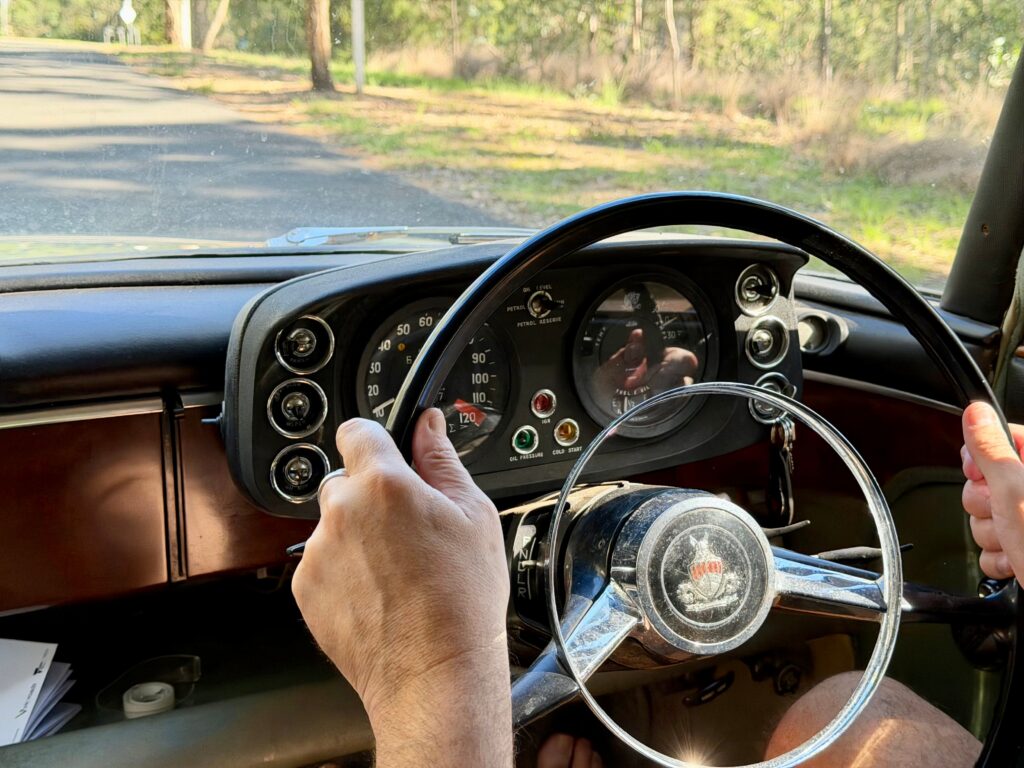
- Share the driving. Winding coastal bends tire people out faster than highways do. Two or three drivers help keep everyone fresh and relaxed.
- Pack layers. Weather can change hourly along this coastline. Sunshine at breakfast can become drenching rain by mid-afternoon.
- Refuel in bigger towns. Small settlements charge more, and some close earlier than you would like.
- Run the numbers before you go: Costs climb quicker than many people expect, so budgeting before booking pays off. This honest breakdown of what travel in Australia actually costs covers lodging and daily spending ranges worth testing against your budget.
Day 1: Melbourne to Lorne
Leave Melbourne after breakfast and arrive in Torquay in about ninety minutes. Torquay marks the official start, with Bells Beach sitting only minutes away. Watching swell roll into the amphitheatre of cliffs is a fitting opening scene, particularly around Easter when the pro tour arrives.
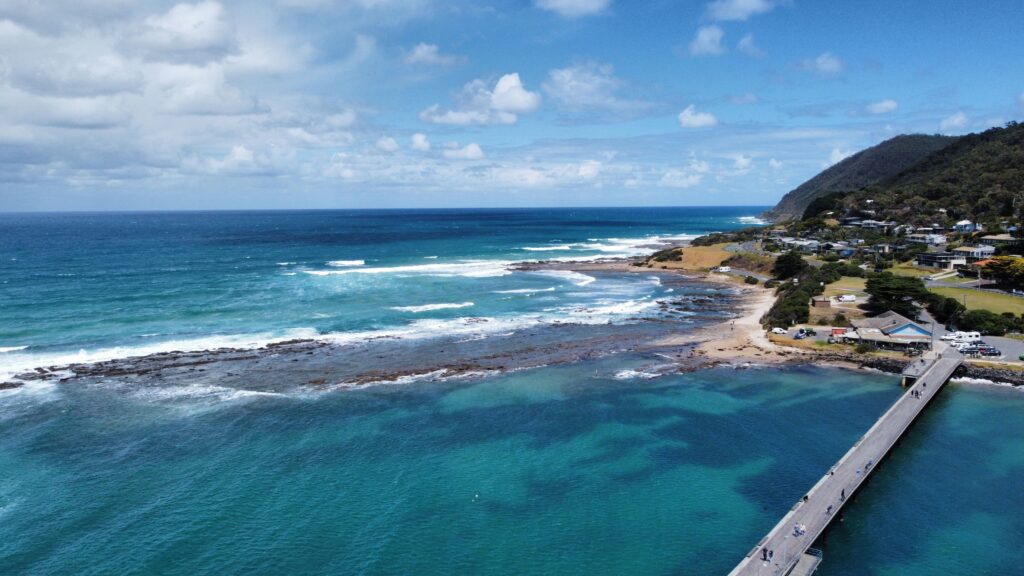
Push on to Anglesea for lunch, then continue to Aireys Inlet. Split Point Lighthouse has stood above the water since 1891, and the short loop walk around its base delivers your first proper coastal views.
Finish the day in Lorne. Lively without feeling overrun, Lorne has enough cafes, pubs, and beach frontage to keep a group happy through the evening.
Day 2: Lorne to Apollo Bay
Start with a quick drive inland to Erskine Falls. A steep staircase drops you to the base through tree ferns, although the upper platform works well for anyone who wants to skip those steps.
Back on the coast, Kennett River rewards patience. Wild koalas doze in the manna gums along Grey River Road, and mornings give you the best odds of spotting one. Bring binoculars, because the animals sit higher overhead than most people imagine.
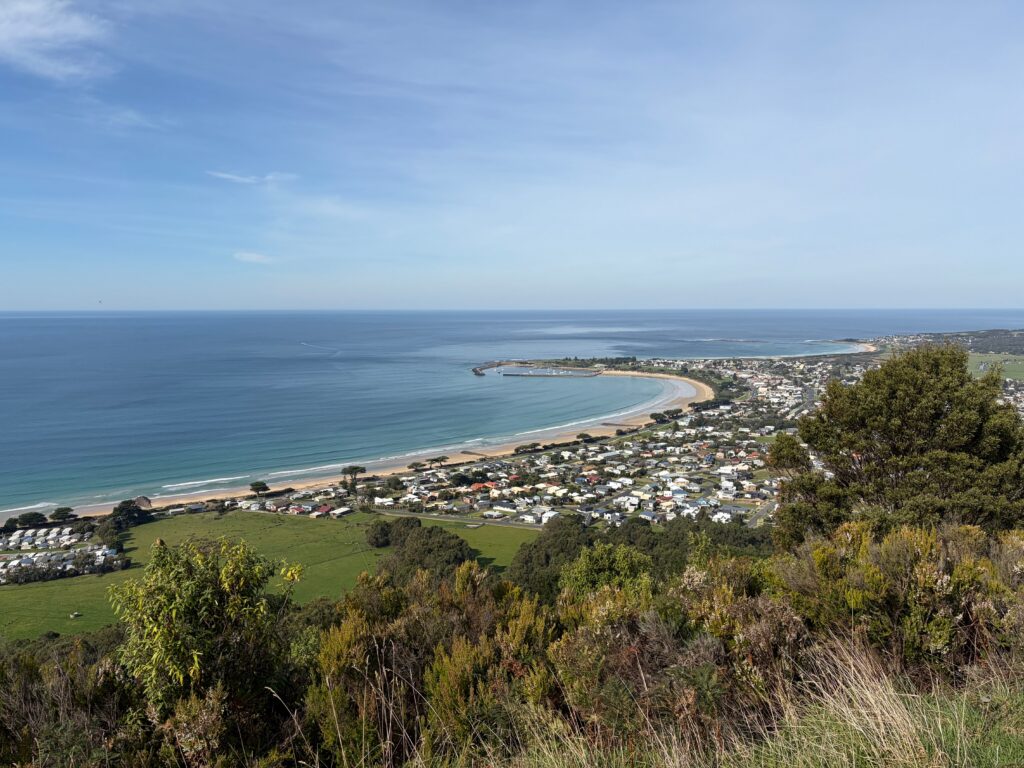
Apollo Bay closes things out. Once a working fishing village and still fairly unhurried, it serves the finest seafood anywhere on this stretch.
Day 3: Into the Otways
On Day 3, swap ocean views for rainforest. Great Otway National Park sits just inland, and the temperature drop alone justifies the detour.
Maits Rest offers an easy boardwalk loop through myrtle beech and giant tree ferns. Strollers and wheelchairs manage it comfortably, so nobody in a multi-generational party gets left behind in the car. Should your crew want altitude instead, the Otway Fly treetop walk carries you out through the canopy on a steel walkway.
There’s also the Cape Otway Lightstation. Built in 1848, it remains the oldest surviving lighthouse on mainland Australia. Younger travelers usually love the climb, while shipwreck history holds the attention of everyone else.
Day 4: The Shipwreck Coast
Today is filled with picture-perfect places. Gibson Steps is first, where a staircase cut into a cliff face drops your group onto sand beneath towering limestone. When you stand at sea level, the scale of everything changes.
The Twelve Apostles are a few minutes further west. Despite their name, twelve stacks never actually existed. Erosion keeps rearranging the count, as older stacks collapse into the surf. Arrive early or linger late, since tour buses dominate the middle hours.
Loch Ard Gorge has the darkest story of any stop here. The clipper ship Loch Ard sank here in 1878, and only two teenagers survived. Walking into the gorge with that history in mind lands very differently from most other clifftop lookouts.
Finish your afternoon at Port Campbell, London Arch, and The Grotto. London Arch earned its title honestly enough, at least until 1990, when the span connecting it to the mainland collapsed and stranded two visitors on the far side.
Day 5: Warrnambool and the Western Bays
The final leg stays quiet. The Bay of Islands and the Bay of Martyrs draw fewer crowds than other places, yet their rock formations rival anything further east.
Warrnambool ends the journey. Between June and September, southern right whales come to Logans Beach to calve, and a purpose-built platform puts you close without a boat. Outside whale season, the town still has enough to fill your final afternoon.
From here your group can return to Melbourne in roughly three hours, which beats retracing the whole coast when everybody is tired.
Making It Work for a Group
Your vehicle choice shapes this trip more than any other decision. Hire cars large enough for six or seven people are costly for five days in peak season, so splitting into two smaller vehicles is usually cheaper while giving everyone space.
Australians who drive this coastline every summer eventually run the same math and discover that renting isn’t cost-effective. Buying outright is not realistic for every household, though, so plenty of local drivers weigh up car loan options with fast approval against hiring fees. Overseas visitors usually book early, when rates sit lowest.
Some tips to keep your group trips pleasant on the Great Ocean Road include:
- Agree on daily start times. Early risers and slow movers will clash otherwise.
- Let people opt out. Nobody needs to see every single lookout, and choosing a cafe instead is completely legitimate.
- Rotate the front seat. The view matters, and so does fairness.
- Keep a shared kitty. Fuel, parking, and coffee runs get messy once six people start splitting individual receipts.
Driving holidays suit groups for exactly this reason, because the vehicle itself becomes the meeting point. If this trip is fun for your group, there are plenty of other routes reward travelers who explore in packs.

Worth Taking Slowly
Five days along the coast gives your group the rare combination of enough structure to see the highlights and enough downtime to actually enjoy them. Rush the drive and it blurs into a sequence of parking lots. Take your time instead, and the rainforest, the koalas, and those limestone stacks each get their moments.
Whoever plans your trip, build in one completely unscheduled afternoon. Those unplanned parts often become the most memorable.