As remote work becomes increasingly global, communicating effectively across cultures has become just as important as technical expertise. Whether you’re collaborating with colleagues in Asia, Europe, or Latin America, understanding different communication styles can improve teamwork, reduce misunderstandings, and strengthen professional relationships.


One group of professionals who excel at this is TEFL (Teaching English as a Foreign Language) teachers. Whether they’re teaching English in Poland, Vietnam, Costa Rica, or elsewhere, TEFL teachers spend every day communicating with people from different linguistic and cultural backgrounds. Months or years of living abroad shape the way they listen, speak, and connect with others. Their experience offers valuable lessons for anyone working in international remote teams, and for anyone whose travel ambitions include a long stretch of life lived somewhere else.
What Are Cross-Cultural Communication Skills?
Cross-cultural communication refers to the ability to exchange ideas effectively with people from different cultural backgrounds. It goes beyond speaking the same language. It also involves understanding cultural expectations, communication styles, and social norms.
As more businesses embrace remote work and hire internationally, these skills have become increasingly valuable. Team members often collaborate across different time zones, cultures, and native languages, making clear communication essential.
Some of the most important cross-cultural communication skills include:
- Understanding your own cultural assumptions and biases.
- Listening to understand rather than simply responding.
- Adapting language for different audiences.
- Recognizing that non-verbal communication varies across cultures.
- Demonstrating empathy and respect.
- Navigating both direct and indirect communication styles.
Developing these abilities helps remote teams collaborate more effectively while creating a more inclusive working environment.

Why TEFL Teachers Excel at Cross-Cultural Communication
Teaching English to non-native speakers requires far more than grammar knowledge. TEFL teachers constantly adapt their communication to ensure students understand new concepts regardless of their language proficiency or cultural background.
They learn to explain ideas in multiple ways, read non-verbal cues, encourage participation, and adjust their teaching style depending on the learners’ needs. These same skills translate naturally into remote workplaces where colleagues may have different communication preferences and cultural expectations.
Living and teaching abroad also gives TEFL professionals firsthand experience navigating unfamiliar customs and adapting to different ways of thinking, which is valuable experience for anyone working in international teams. It’s the kind of growth that’s hard to fake from a textbook. Daily life in another country, whether it’s grocery shopping in Hanoi or attending a colleague’s wedding in Kraków, builds intuition that no online course can replicate.

Adapting Your Communication Across Cultures
One of the biggest lessons people learn while teaching English abroad is that effective communication isn’t about using bigger words. It’s about making sure you’re understood.
Whether you’re explaining directions to students in Vietnam, leading a conversation in Costa Rica, or helping learners build confidence in Poland, TEFL teachers quickly discover the value of using clear, straightforward language. They avoid unnecessary jargon, slang, and culture-specific expressions that may confuse people who speak English as a second language.
This same approach works well for remote teams. Colleagues from different countries often bring varying levels of English proficiency and different communication styles to the workplace. Choosing simple language, breaking complex ideas into manageable steps, and confirming understanding can help prevent misunderstandings and keep projects moving smoothly.
Living and working abroad also teaches an important lesson that extends far beyond the classroom: successful communication begins with empathy. Taking a moment to consider another person’s cultural background and perspective often leads to stronger professional relationships and more productive collaboration, whether you’re working remotely or traveling the world as a digital nomad.

PS: Want my best, personally tested travel tips all in one place?
Grab my FREE downloadable No-BS Travel Playbook!
Practicing Active Listening
Strong communication isn’t only about speaking clearly. It’s also about listening effectively.
Active listening involves paying attention not just to the words being spoken but also to tone, context, and non-verbal signals. In multicultural teams, misunderstandings often occur because people interpret the same message differently based on their cultural background.
TEFL teachers frequently confirm understanding by asking students to summarize instructions or explain concepts in their own words. Remote teams can use similar techniques by paraphrasing key points, asking clarifying questions, and confirming action items before ending meetings.
These habits reduce confusion while helping everyone feel heard.
Building Cultural Empathy
Working across cultures requires curiosity, flexibility, and respect.
Communication styles differ significantly around the world. Some cultures value direct feedback and quick decision-making, while others prioritize diplomacy, relationship-building, or group consensus. Neither approach is inherently better. They’re simply different.
Because TEFL teachers work with students from diverse backgrounds, they quickly learn to adapt rather than expecting everyone to communicate the same way. They recognize cultural differences as opportunities to build stronger relationships rather than obstacles to overcome. The longer you live in a place, the more you understand that what felt strange on day one usually starts to make sense by month six.
This mindset can help remote teams create more inclusive and collaborative workplaces.


Building Rapport Across Borders
Successful remote collaboration depends on trust as much as communication.
TEFL teachers build rapport by encouraging participation, creating supportive learning environments, and making students comfortable asking questions without fear of making mistakes. Those same strategies work well in distributed teams.
Remote managers and team members can strengthen relationships by scheduling informal virtual catch-ups, encouraging quieter colleagues to contribute, and fostering psychological safety during discussions. When everyone feels comfortable participating, collaboration becomes more productive and innovative.
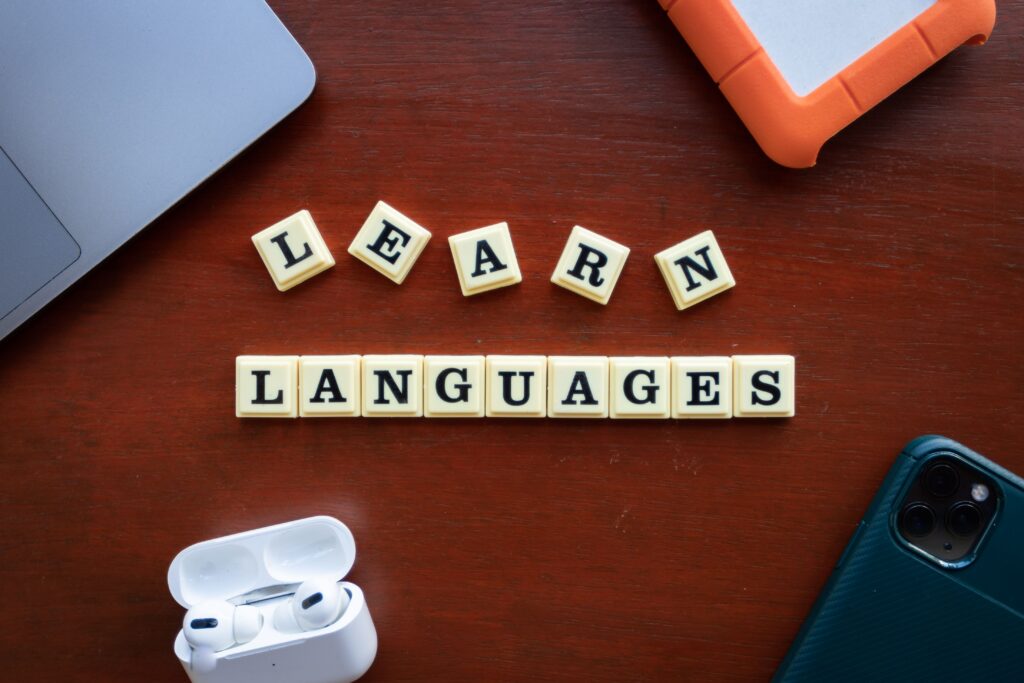
The Skills That Travel Home With You
Travel changes the way you communicate, full stop. TEFL professionals get a particularly concentrated version of this because they’re teaching, listening, adjusting, and rebuilding their language patterns every day in unfamiliar surroundings. But anyone who has spent serious time abroad, on a study abroad year, a long backpacking trip, a season au pairing, or a stint as a digital nomad, knows that something shifts in how you talk and how you listen.
The skills TEFL teachers develop, including clear communication, active listening, empathy, adaptability, and relationship-building, are increasingly valuable in today’s global workplace. They’re also the skills that quietly improve every other part of your life: your friendships, your relationships with extended family, the way you order coffee in a country where you don’t speak the language.
Whether you’re teaching English overseas, building a location-independent career, or simply exploring the world while staying connected to your job, travel has a way of improving how you communicate with others. The adaptability, empathy, and cultural awareness gained through these experiences are invaluable for anyone working remotely and collaborating with international teams.
As businesses continue to build international teams, the communication habits developed through teaching and living abroad can help professionals create stronger relationships, avoid misunderstandings, and collaborate more effectively, no matter where they’re based. And if those habits also make your next trip a little richer, even better.
Thanks for hanging out! If you’d like fresh updates on our latest guides, stories, and recommendations (even special deals!), please subscribe to my monthly Pure Wander newsletter.
Also, download our FREE PDF that shares all my best basics, from points and miles redemptions, choosing the right travel insurance, scoring free upgrades at hotels and more.
Follow along with me (Eileen!) on social: Instagram, Tiktok and PinterestCheers to adventure!