
Whether it’s a dream vacation, a family reunion, a career-boosting business trip, or a longer-term volunteer adventure, planning a big trip can be challenging when it conflicts with other financial goals. Planning carefully before booking a trip can help make sure your big trip doesn’t become a financial anchor.

Understand that just paying for a trip is not enough. After booking a trip, you will return home and expect to keep saving and pay back debts to reach your long-term goals. In other words, when planning and booking a trip, think ahead so you can enjoy your trip and return to your normal life without financial stress.
View the Cost of the Trip Through the Prism of Your Overall Budget
Think of your travel budget in the context of your overall budget. Planning a big trip can be fun, but don’t plan it in isolation from the rest of your finances and regular expenses.
Consider estimating the total cost of your trip for flights, for hotels, for meals, for transportation, and for activities and then determine how much your trip will cost in relation to your financial goals and how it will fit into your budget for the given time frame. Then determine how much you can afford to spend on your ideal trip based on your financial goals and budget for the given time frame.
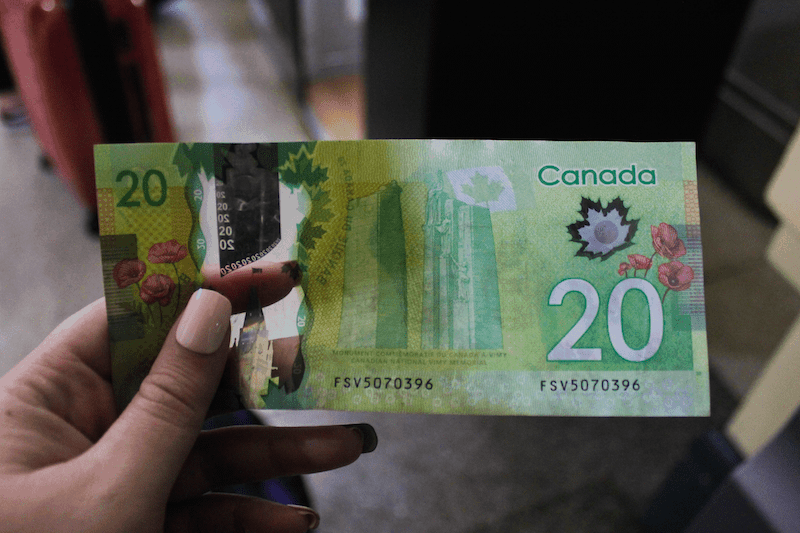
Online financial planning tools can also help travelers compare different spending scenarios before committing to a budget. An AI financial planner can be used to explore how a larger or smaller travel budget might affect other priorities, such as building savings, covering regular expenses, or preparing for another major purchase. Looking at those tradeoffs can make it easier to choose a trip budget that fits comfortably within the rest of your financial plans.
You don’t have to look for the cheapest trip possible. Instead, figure out what your other financial goals would look like at different trip prices.
Build the Trip Around a Spending Range
You can also set travel budgets as a dollar range. If you find a great deal on part of your trip, you can add more to other areas that matter to you. It is much easier to work within a range than to try to lower an established number.
It is worth noting that while one may have a preferred trip budget, one should also include some flexibility for costs to remain within an overall spending range. A good way to approach this is to state a preferred budget for trip planning and then a maximum amount one would be willing to spend. For example, one may wish to spend $3,000 for a trip but have a maximum amount of $3,500. This gives you some wiggle room to plan for all the costs associated with the trip and helps you avoid overspending.

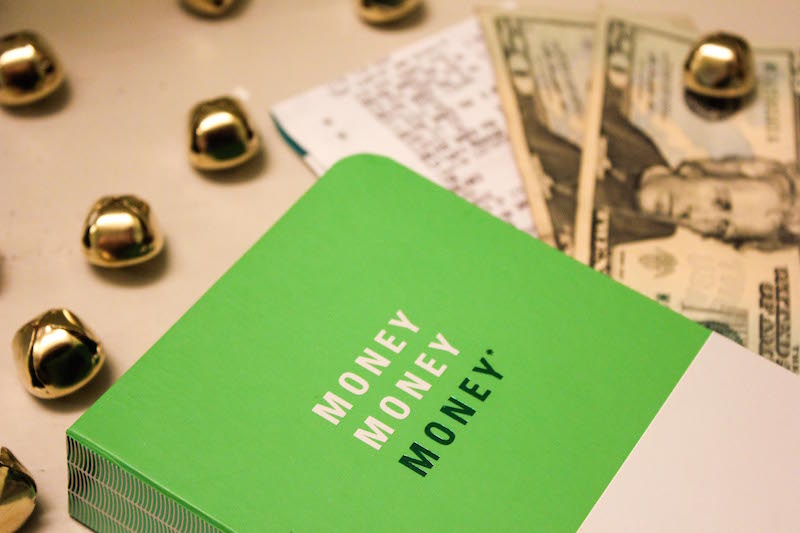
Also think of your expenses in categories. While flights and hotel reservations are usually fixed costs, you have more room to maneuver with meals, excursions, shopping, etc. Depending on the focus of your trip, you can adjust your spending more than you think.
Decide What Is Worth Spending More On
Each aspect of travel can matter differently to each person. For example, while some may insist on staying in a hotel in the city center, others would rather spend their money on tourist attractions, food and even shopping.
By first determining what matters most to you for your vacation, you can then plan within your price range. For example, someone who will spend most of their time in a resort might not gain much by paying for a very expensive hotel. Conversely, someone who will be moving around a lot during their vacation might save money by choosing a centrally located hotel, reducing planning time and transport costs.

By ranking the experiences you and your travel companions want to have during your vacation, you can decide what to spend more money on before booking accommodations. For example, a group planning a trip to Europe might rank experiencing different cultures as most important, followed by having plenty of time to relax at their accommodations, and then being located near good public transportation. If a hotel doesn’t offer these three features, it is not worth paying extra for it.
Give Yourself More Time to Save
Start saving for your trip as early as possible to make the total more manageable by saving smaller monthly amounts over a longer period, rather than saving most of it in the run-up to your trip.
For example, to save for a $4,800 vacation in one year, you could save $400 per month. A dedicated savings account also helps, as it creates a clear cash reserve for your travels.
A separate travel savings account can also help you track how much you’ve saved for a trip and make it clearer why you are not spending that money on other things (e.g., emergencies or other travel opportunities).

Leave Room for the Unexpected
Unexpected costs will occur on any trip, and to keep them from affecting other parts of your finances, it is best to set aside extra money to cover surprises.
You should also add a cushion for other unexpected expenses you may encounter during your travels. The amount you decide to add depends on your individual circumstances, but it is always better to overestimate the cost of a trip than underestimate it.
Returning from your trip to find you have no financial ‘breathing space’ and need to work back to being up to date with your finances can quickly turn what seemed like a great holiday into a very stressful few months.

Plan the Experience, Not Just the Price
Planning a travel budget means deciding what you want to spend before you go and finding ways to save on other parts of the trip.
By knowing how your trip fits with your other financial goals, you can decide how to spend your dollars to maximize your time on the trip. You can decide whether to spend a little more on a particular activity or cut back elsewhere and save longer to afford your goals.
The best travel plans create wonderful experiences and memories. We hope your plans lead to both!








Join the discussion One Comment