
Thailand is basically at the other end of the world for me: an 11-hour time zone difference from the US! But is it worth the trek? Absolutely.
Thailand is quickly becoming one of my favorite places to visit. This country is much more than north and south, or simply island hopping. There’s a rich variety of influence from outside cultures, like the Chinese (baba) and neighbors like Cambodia and Laos. You’ll never see it all in one trip, but this guide is designed to help you touch the surface of this gorgeous destination: with room to go deeper if you have the time.
The core itinerary below covers seven days across Bangkok, Phuket, Phang Nga, and the Koh Yao islands. If you have ten days, the Chiang Mai extension at the end is one of the most rewarding additions you can make to any Thailand trip. And if the southern islands are calling louder, there’s an island alternative worth knowing about too.
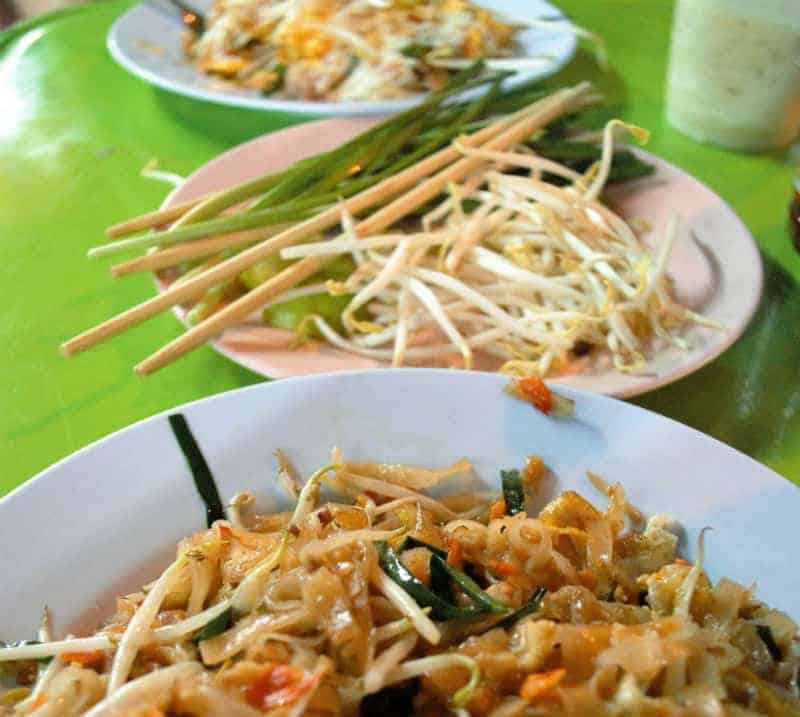
You might want to try one of the great escorted tours Thailand or hire a Thailand tour operator to help as you touch down in Bangkok and the islands. Or if feeling adventurous, read on to see our ad-hoc suggestions.
Table of Contents
- Days 1 and 2: Bangkok
- Days 3 and 4: Phuket and Phang Nga
- Day 5: Island Hopping in Phang Nga Bay
- Days 6 and 7: Koh Yao Yai and Koh Yao Noi
- Island Alternative: Koh Lanta
- The Northern Extension: 3 Days in Chiang Mai
- Planning Your Thailand Trip
Days 1 and 2: Bangkok
I’ve really had a blast in Bangkok, both times. Read below to learn all about Bangkok’s Chinatown and one of the best tours I’ve ever taken for food.
READ MORE: East Meets East: Bangkok Thailand’s Chinatown
Thailand’s Tallest Skyscraper
I was thrilled to be returning to Bangkok when they’d recently opened the brand-new King Power MahaNakhon Tower. It’s Thailand’s tallest building and right downtown at more than 1,000 feet high. You can go into the lobby and shop at the endless boutique stores complimentary, or purchase tickets to visit the observational tower. Many of the 78 floors are primed for shopping and dining.
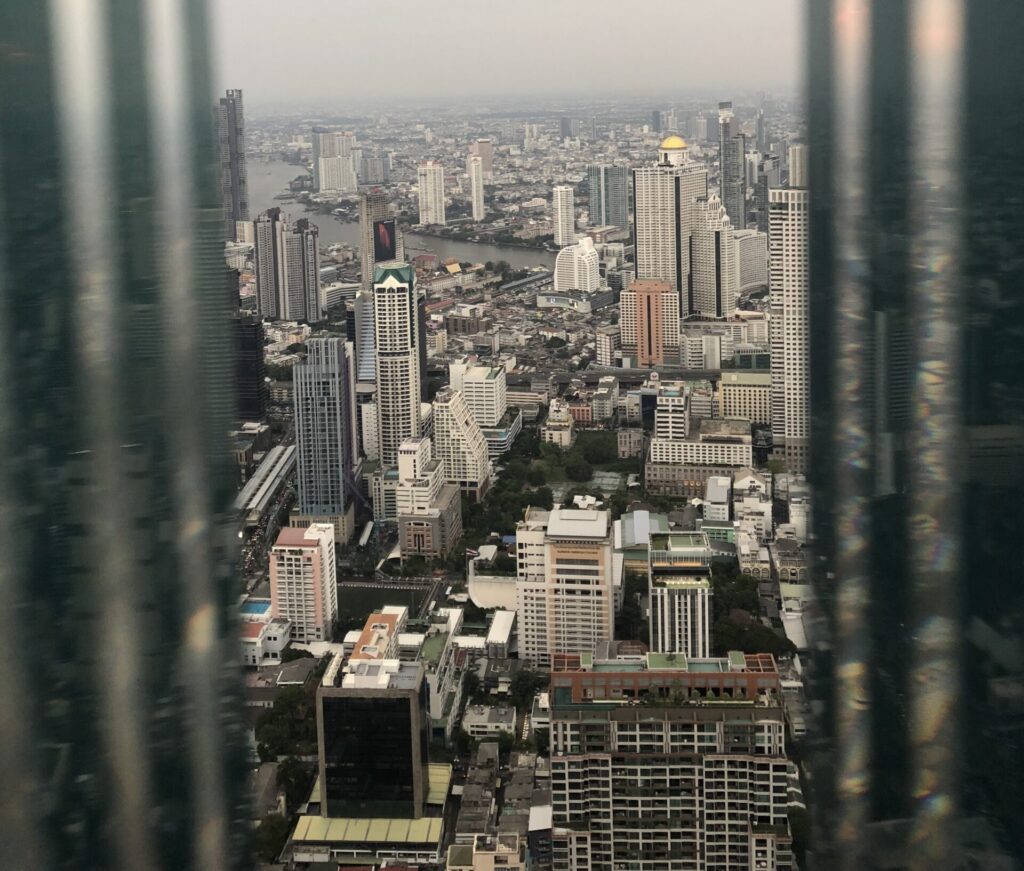
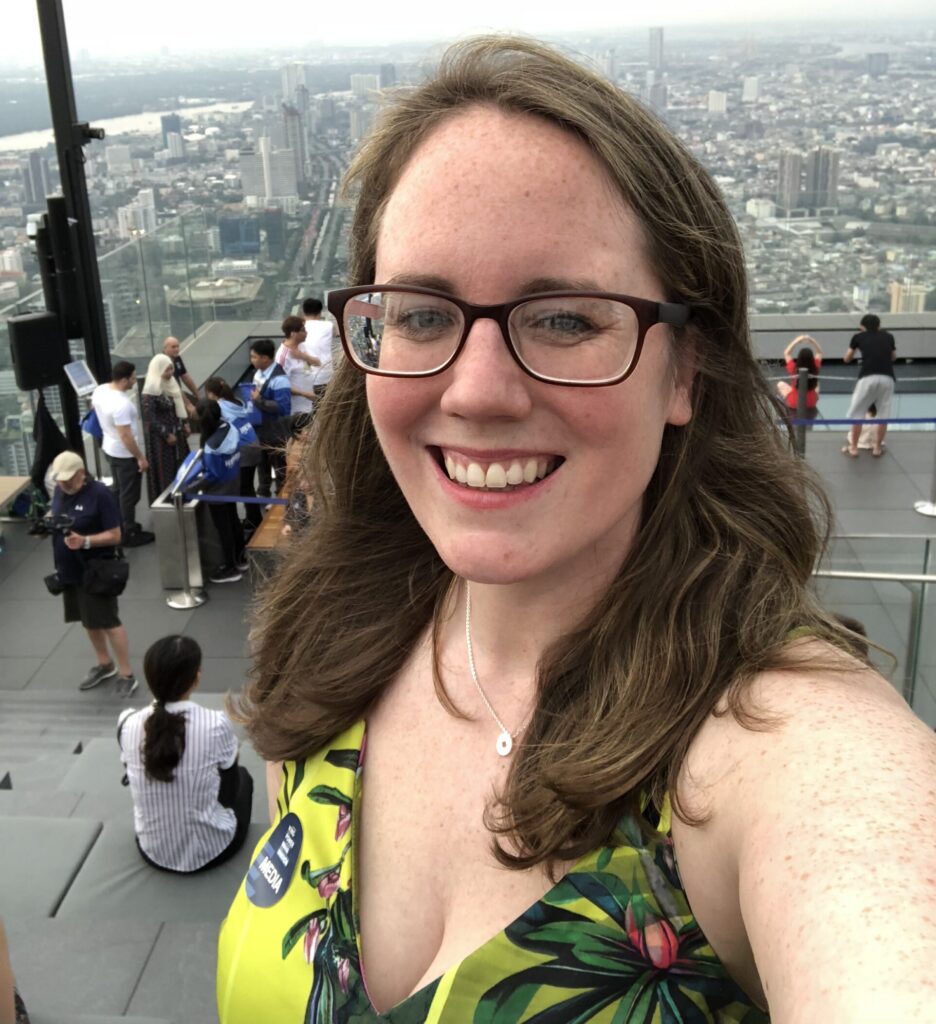
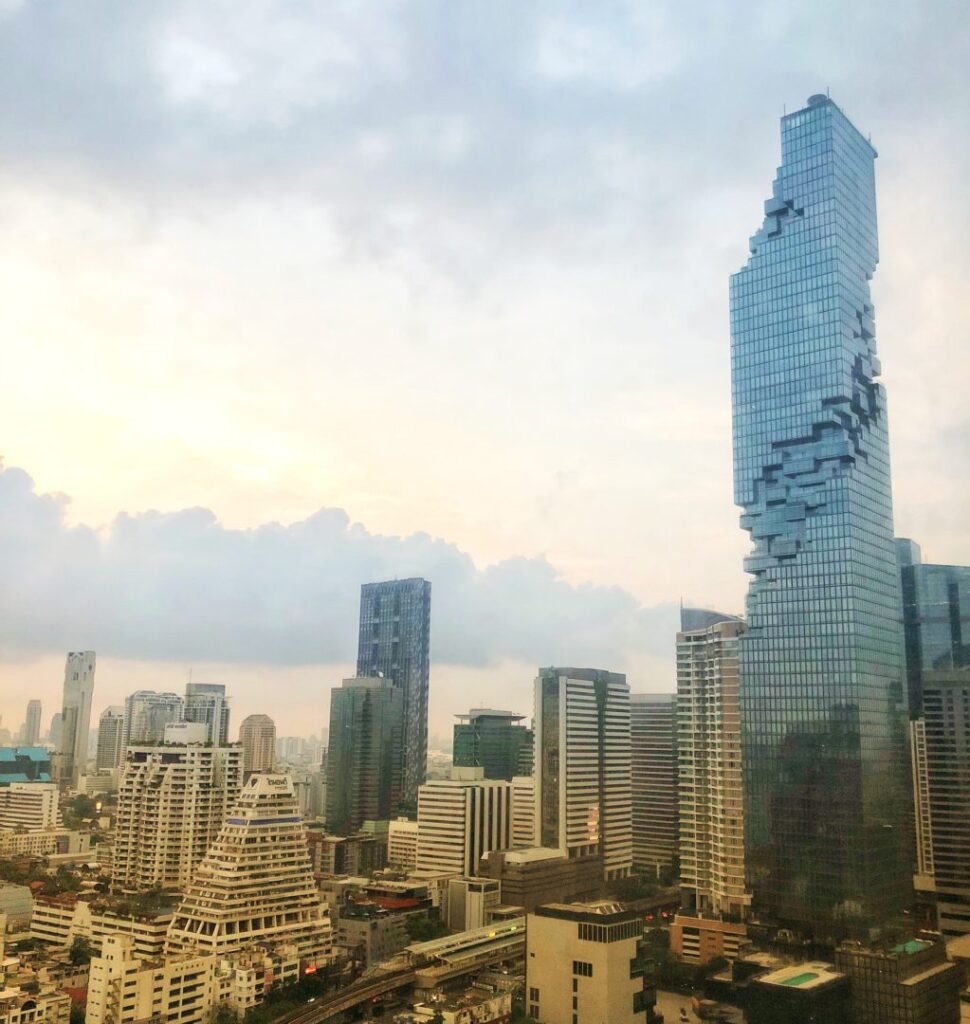
There are two levels: the King Power MahaNakhon Observatory and the King Power Mahanakhon Rooftop and Skywalk. If you’re going up, you might as well splurge for the rooftop, as it boasts a full bar, DJ and walkable glass-paned area for the brave.

The King Power Mahanakhon was within walking distance from our beautiful hotel, the Pullman Bangkok Hotel G. Also a newer kid on the block, this luxury spot has lots of space in their whitewashed rooms, plus foodie finds and an executive floor lounge. Don’t miss the chance to try fresh noodle soup for breakfast paired with dragon fruit to start the day.
Other areas besides Chinatown and downtown include the Phra Nakhon, home to the Grand Palace. It’s worth taking a peek at this structure dating back to the 1700s. You can access the Wat Phra Kaew and Queen Sirikit Museum of Textile, or take a guided tour.
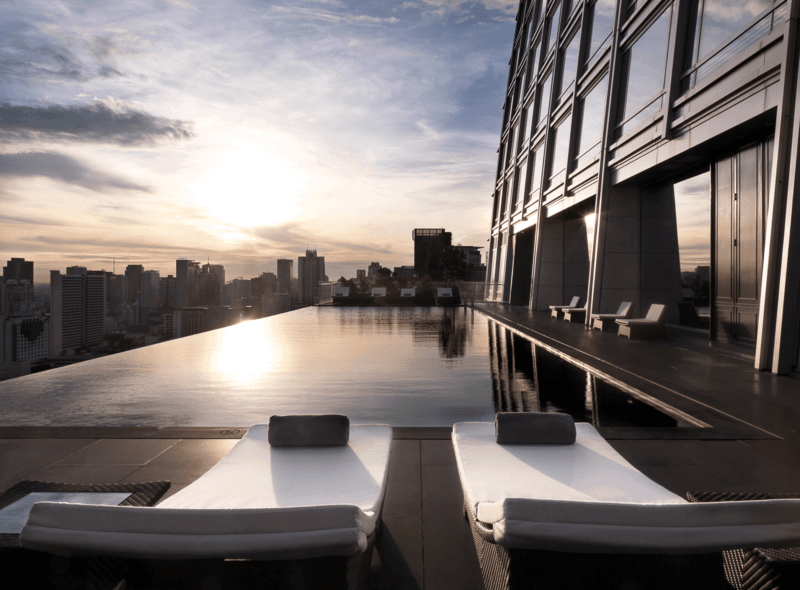
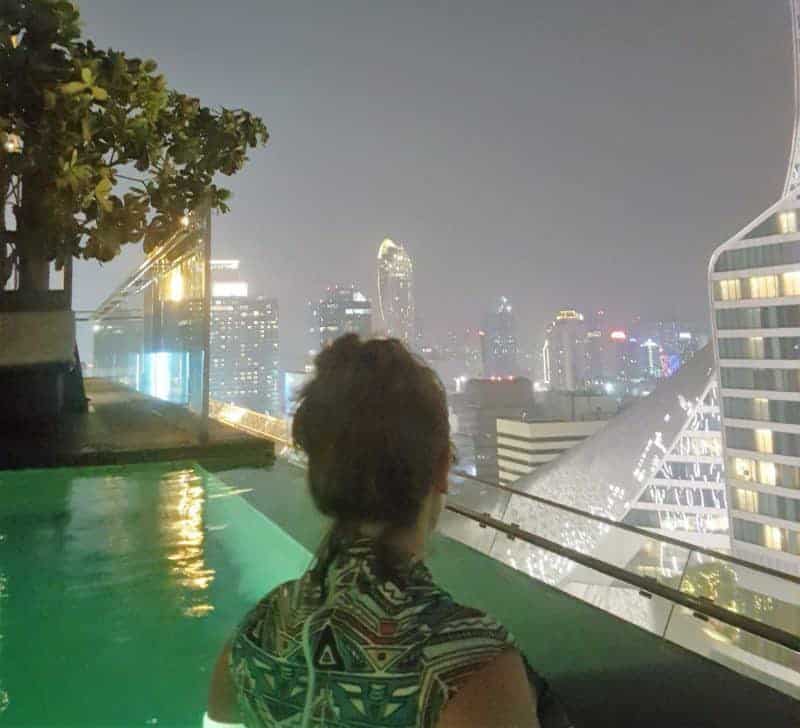
Have a look at my full review of the Okura Prestige below too for upscale accommodation (and an infinity pool)!
READ MORE: Review of Okura Prestige in Bangkok, Thailand: Up in the Clouds
Days 3 and 4: Phuket and Phang Nga
Phuket has the beaches, that’s for sure. Surin public beach and the exclusive stretch of sand from The Surin resort are incredible. Here’s more about my first trip to Phuket below.
READ MORE: Phuket, Thailand: We Challenge You To Try It!
On my second visit, I had the pleasure of exploring Phuket Old Town, a highlight of the trip. The hipsters have taken over the town, in a fantastic way. There are just enough old school and new cool vibes to go around, with old Chinese-style mansions neighboring raw, colorful street art. We enjoyed a thorough walk through the area with plenty of stops for Thai iced tea and sweets.
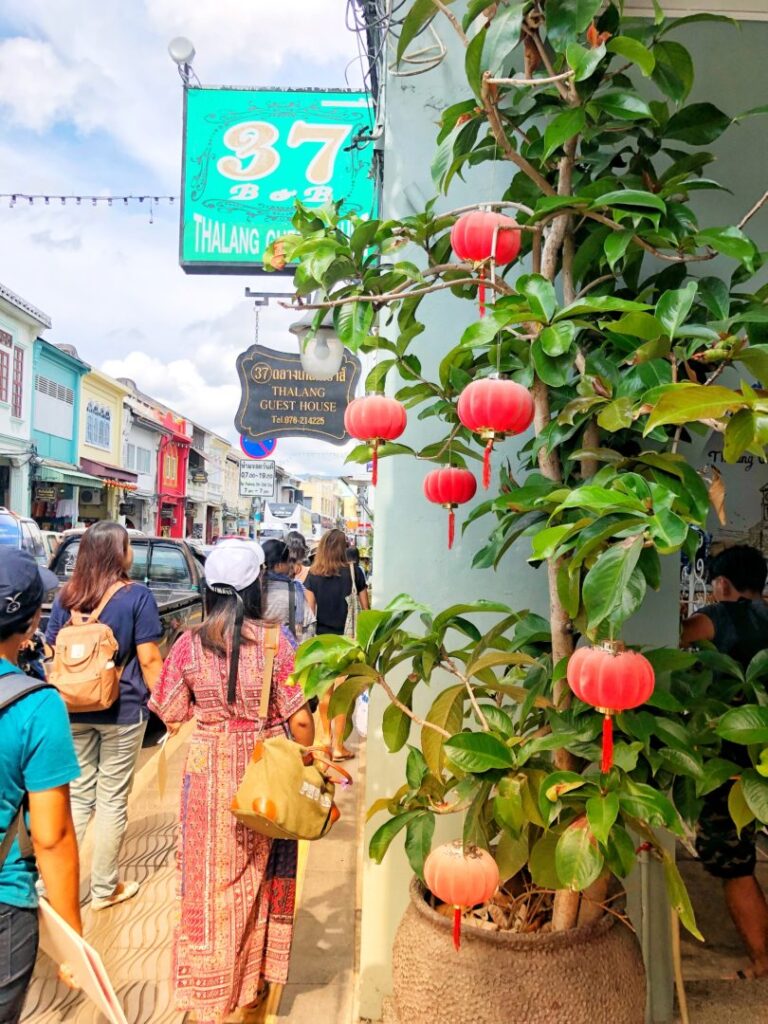
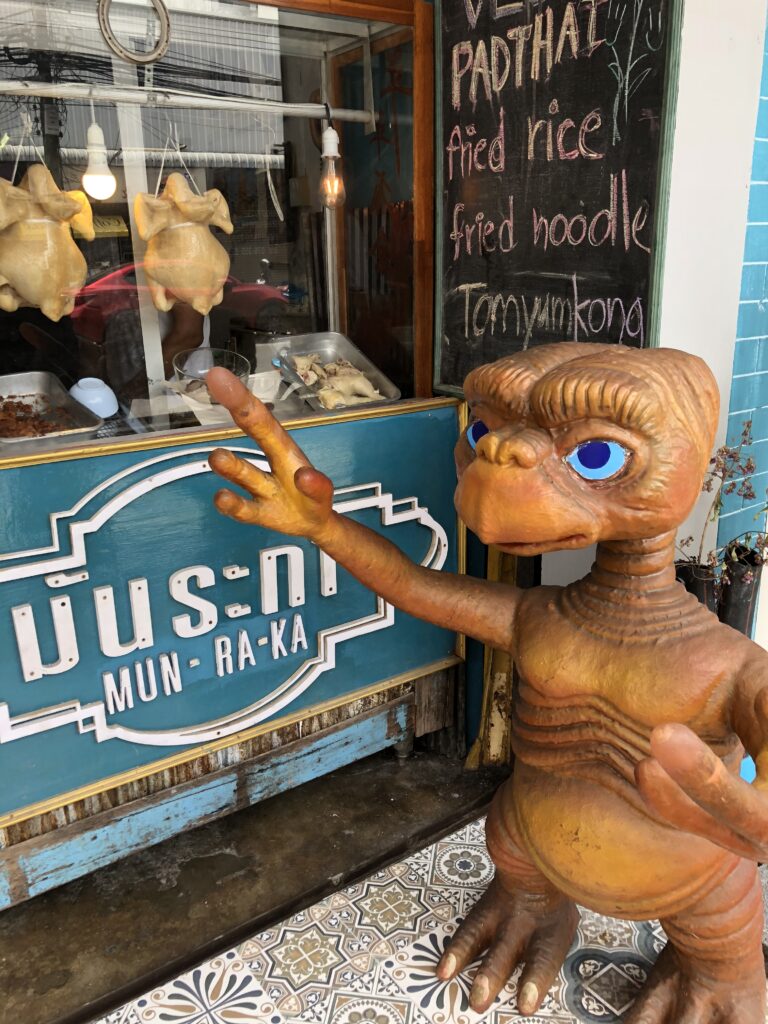
They’ve also re-purposed old buildings to be fresh, new shops and points of interest. To get your bearings, visit the Peranakannitat museum first. They have an interactive exhibit upstairs with a full touch-screen and topographical map of the town. You can pick the hotspots you want to visit and go from there.
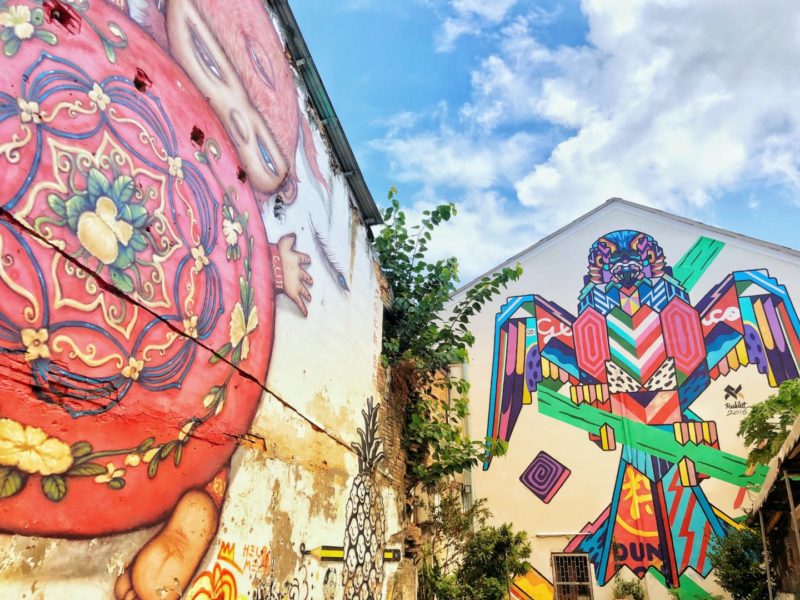
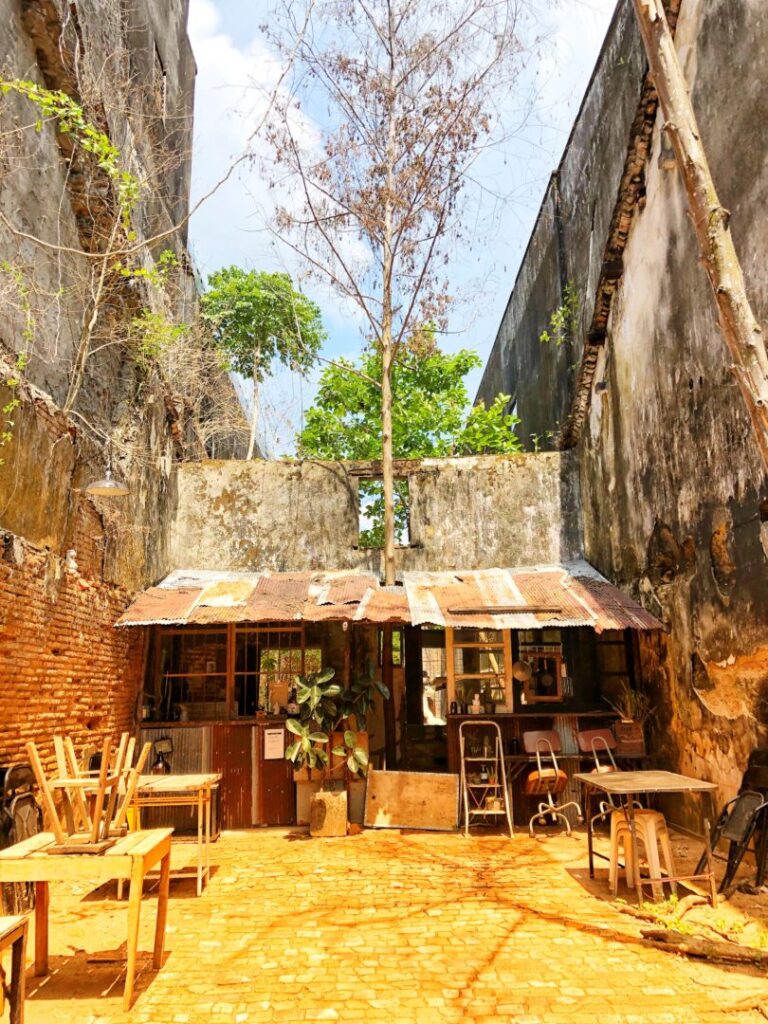
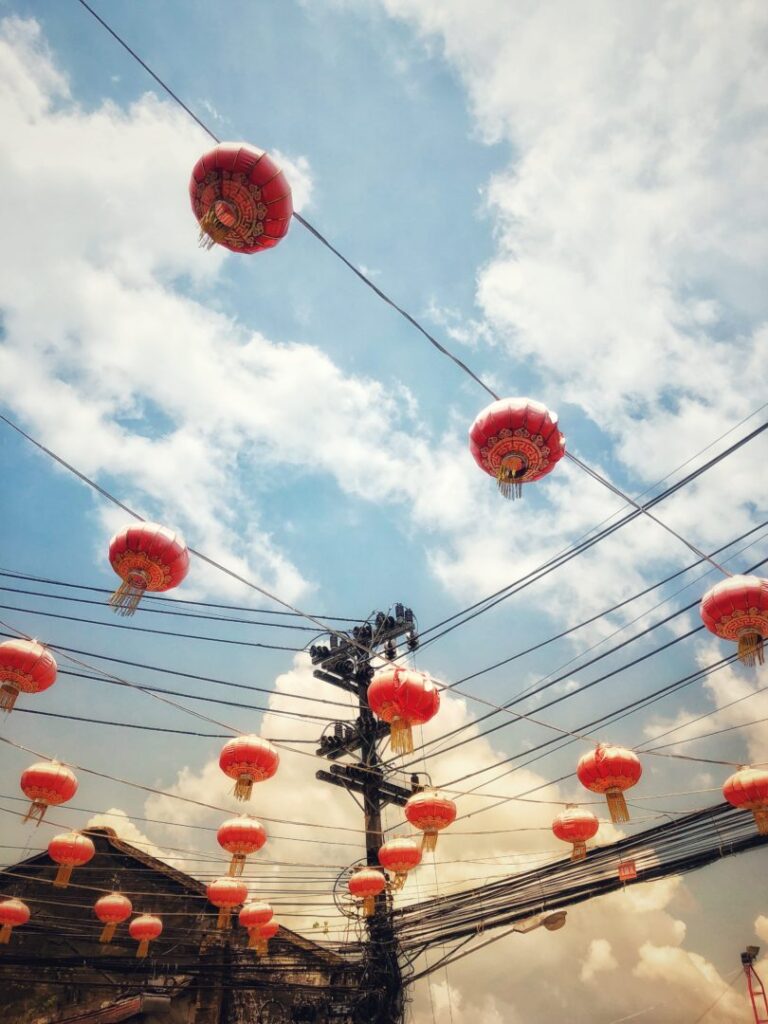
Our first stop was Phuket Old Town’s accommodations. If you like the idea of staying off-beach for a night or two, the WOO Gallery & Boutique Hotel has a few bespoke guest rooms with an attached museum and cafe. They used to build homes as long and narrow as possible to avoid steep property taxes, so you can tour this style of home downtown and see the antique Chinese/Thai decor.
Phuket Cafes, Restaurants and Coffee Shops
- Tu Kab Khao – Upscale luncheon restaurant. Dine with other residents of Phuket Old Town and try a variety of Chinese-style dishes served on pretty blue dishes, like spring rolls and fish.
- The Feelsion – I was told this is where the ‘cool’ kids hang out, but I liked it too as an old lady! The steampunk-style spot of ‘Instagrammable’ drinks, rainbow-colored or covered in fresh flowers. They also have durian-flavored ice cream which I loved, but it’s an acquired taste.
- i 46 Old Town – More authentic than the new hipster bubble tea spots, this is run by a local couple who have lived in the home for generations. Have a variety of sweets with some hot or cold tea.
- 92 House – Fresh food and drinks on-site. Keep an eye out for Annie, a wonderful young woman who plays on a traditional guzheng, which is like a harp.
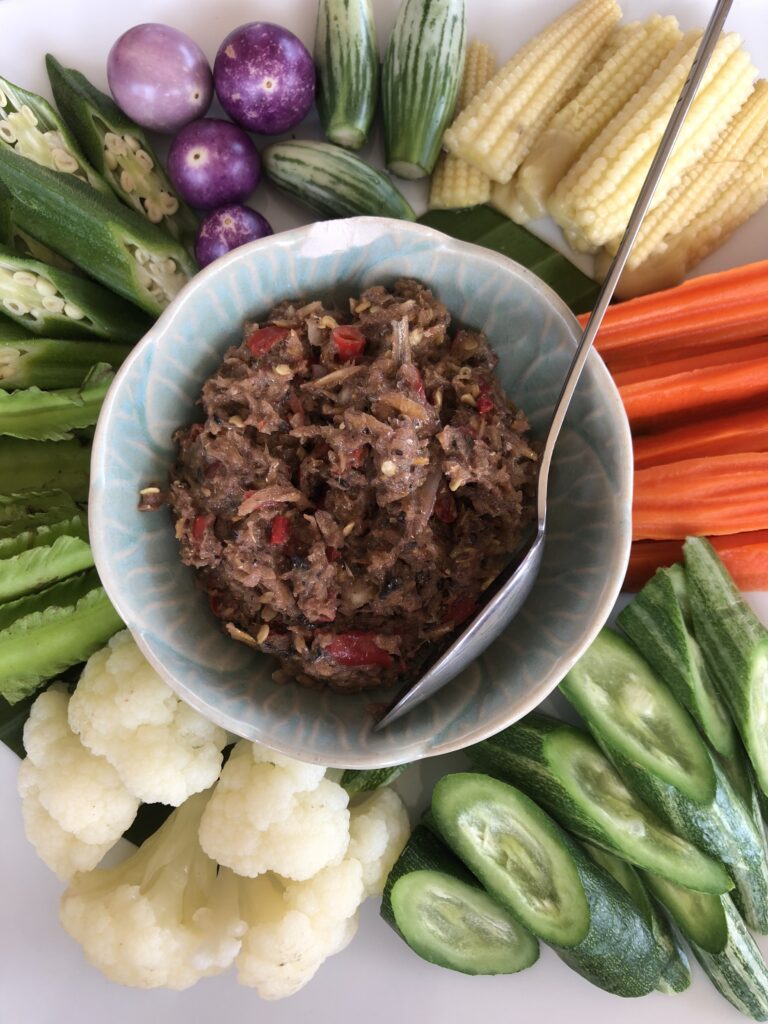
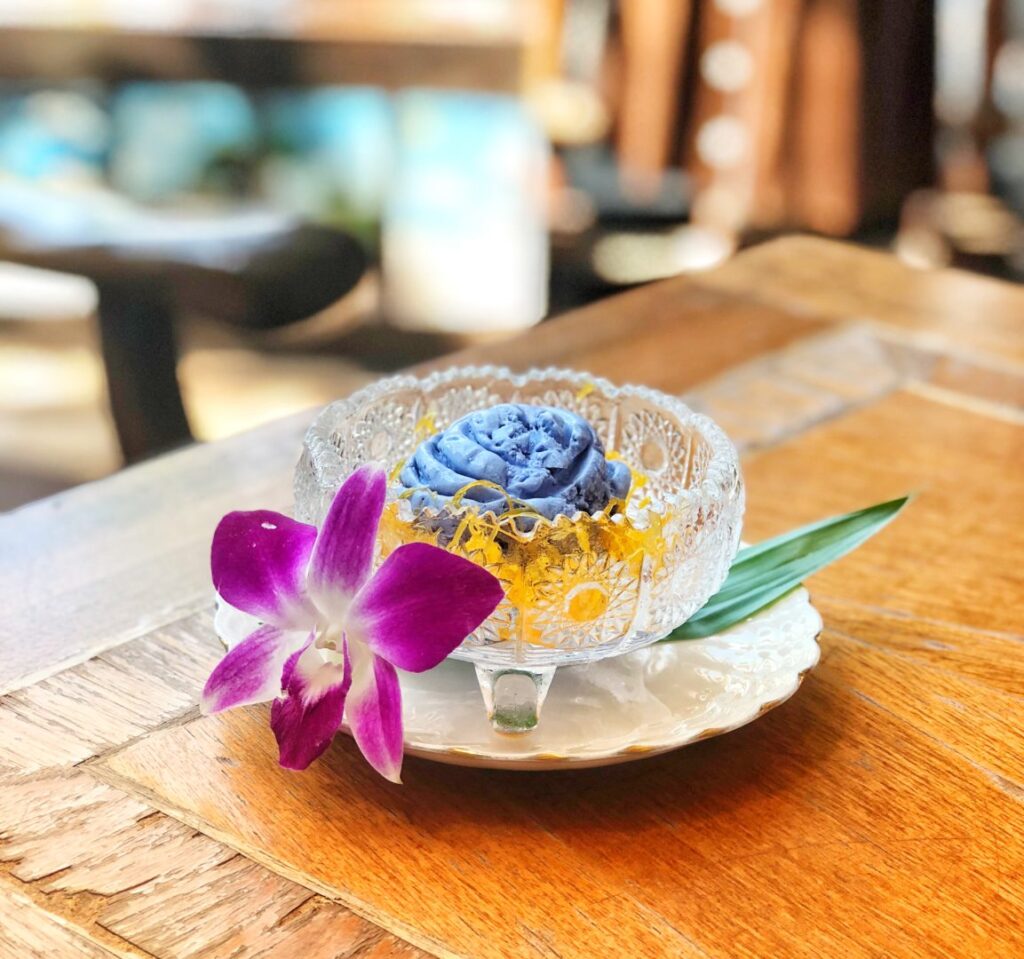
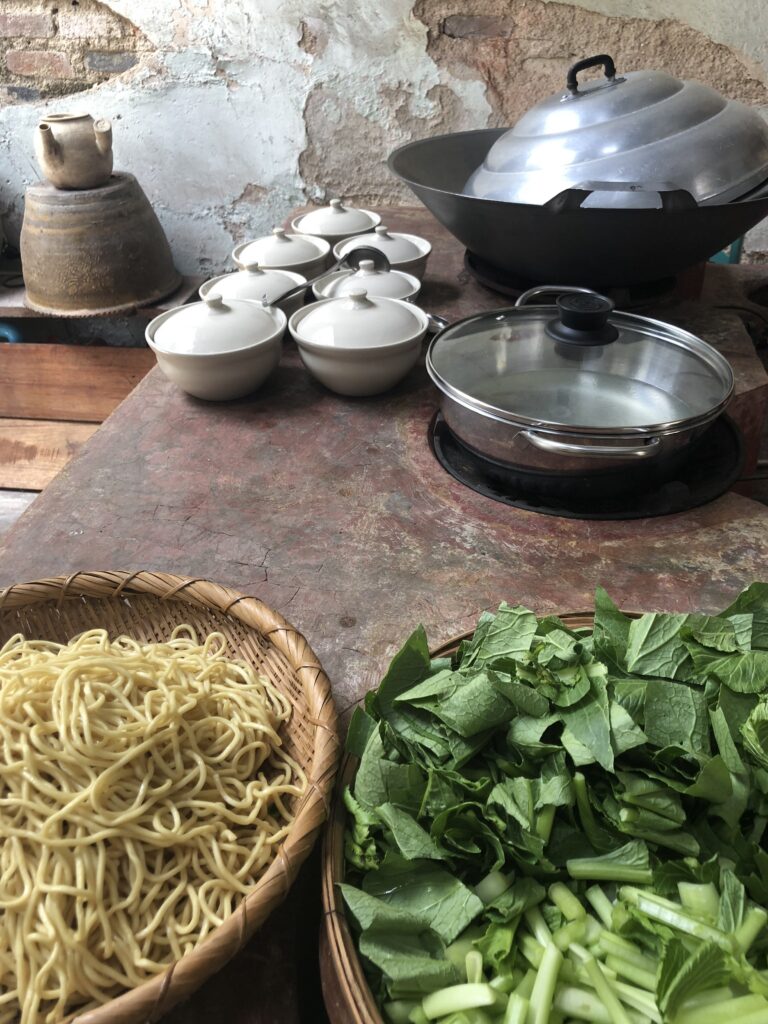
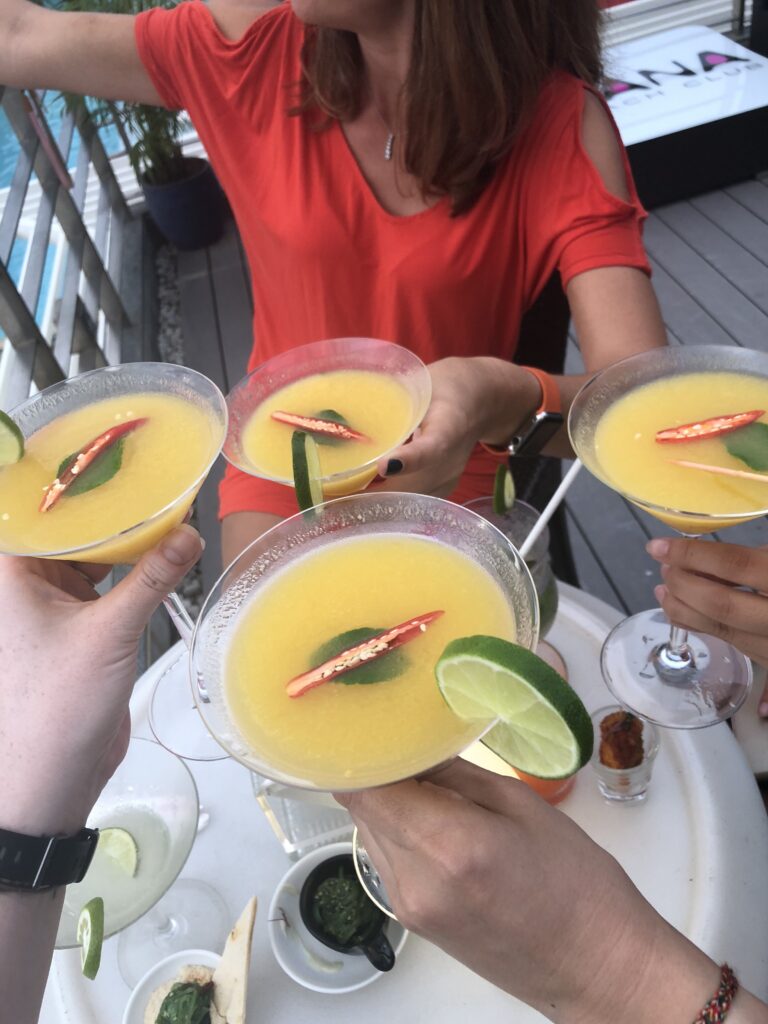
After getting our fill of nutty sweets and refreshing beverages during the super hot day, it was amazing to return to the Angsana Laguna Phuket resort for happy hour at the Xana Beach Club. If you’re feeling brave, order their spicy scorpion drink topped with red chili. When in Rome!
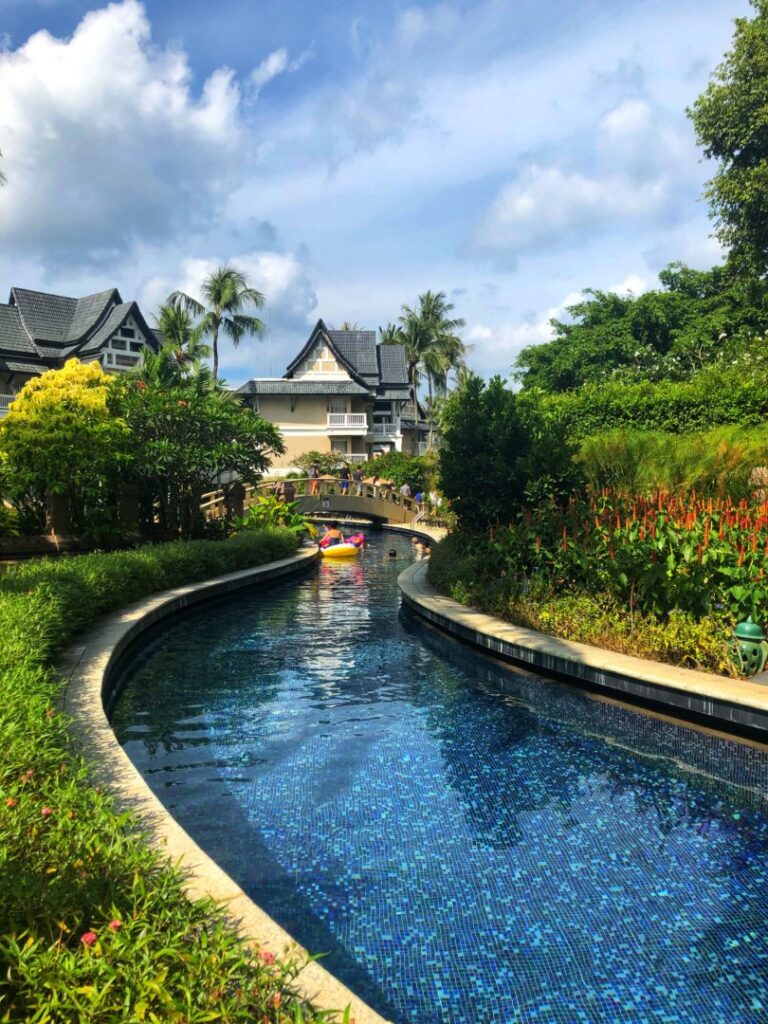
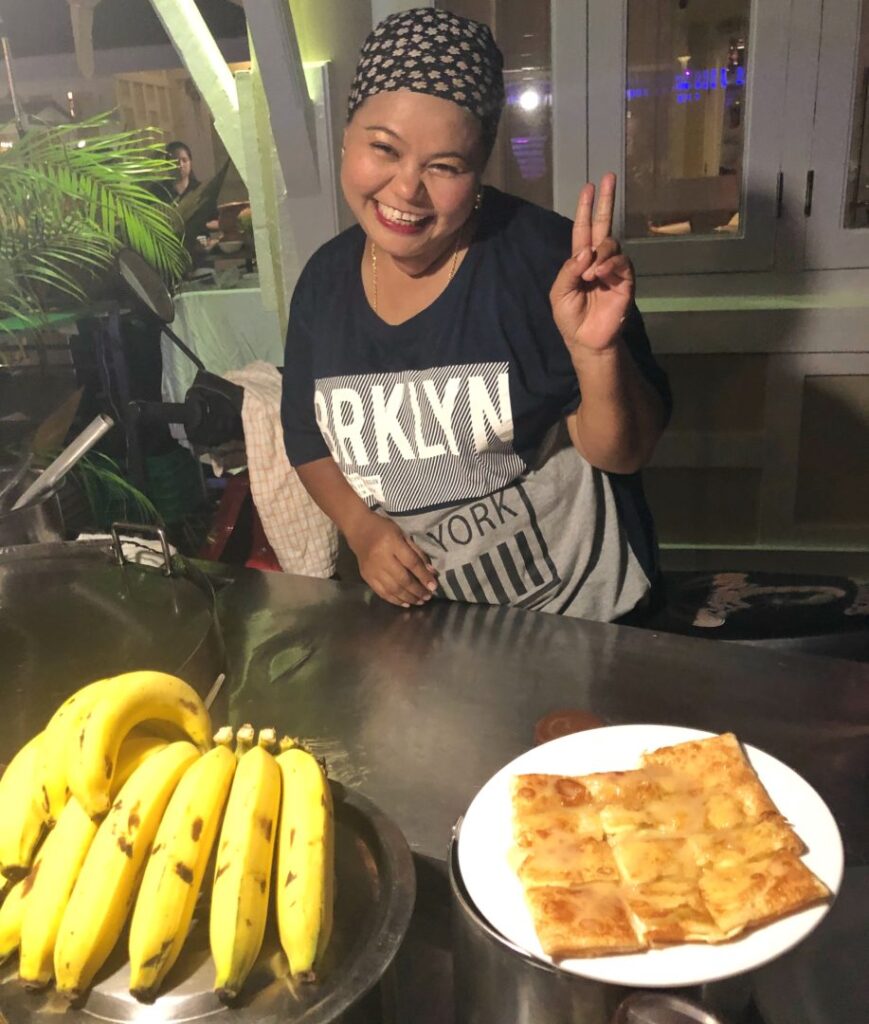
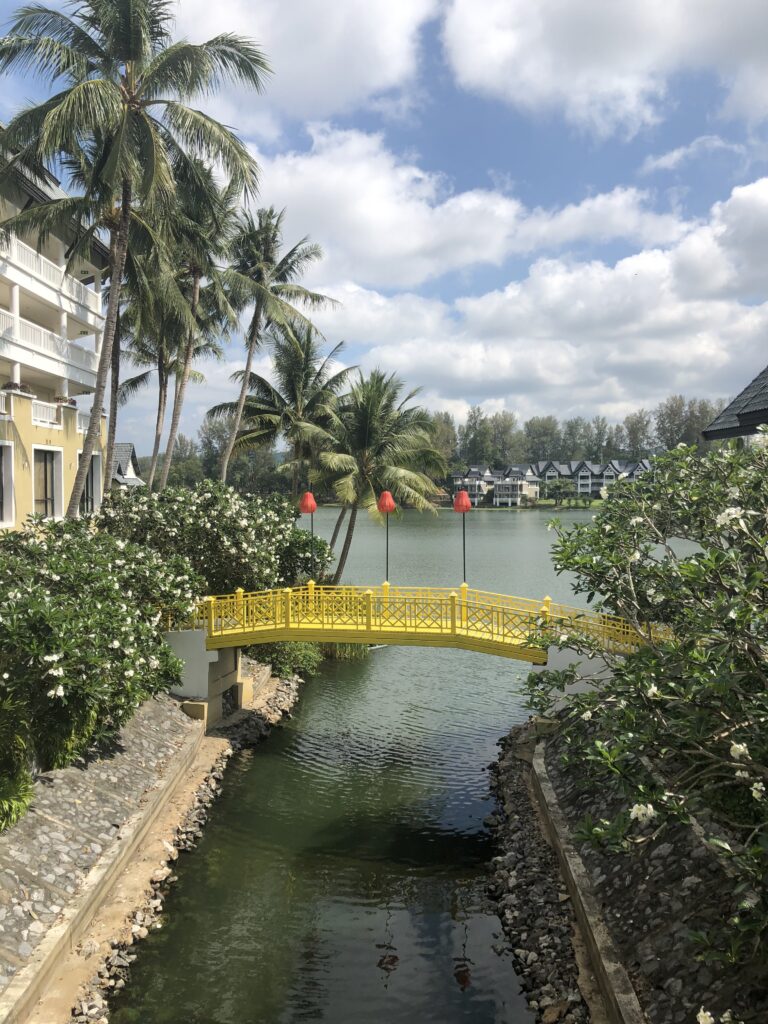
Besides the beach club, Angsana has multiple pools and the longest lazy river in Thailand. Breakfast was some of the best selections I had the whole trip, and rooms were spaciously comfortable. It’s perfect for small groups of friends and family. Save your spa time for this spot too. If you’re lucky, you’ll meet my new favorite chef at dinner. She makes fresh banana rotis for dessert on site.
North of Phuket: Phang Nga Authenticity
Just 60-90 minutes north of Phuket is a beautiful province that offers a lower, more authentic Thailand. Definitely don’t skip the chance to check out the villages and attractions in Phang Nga.
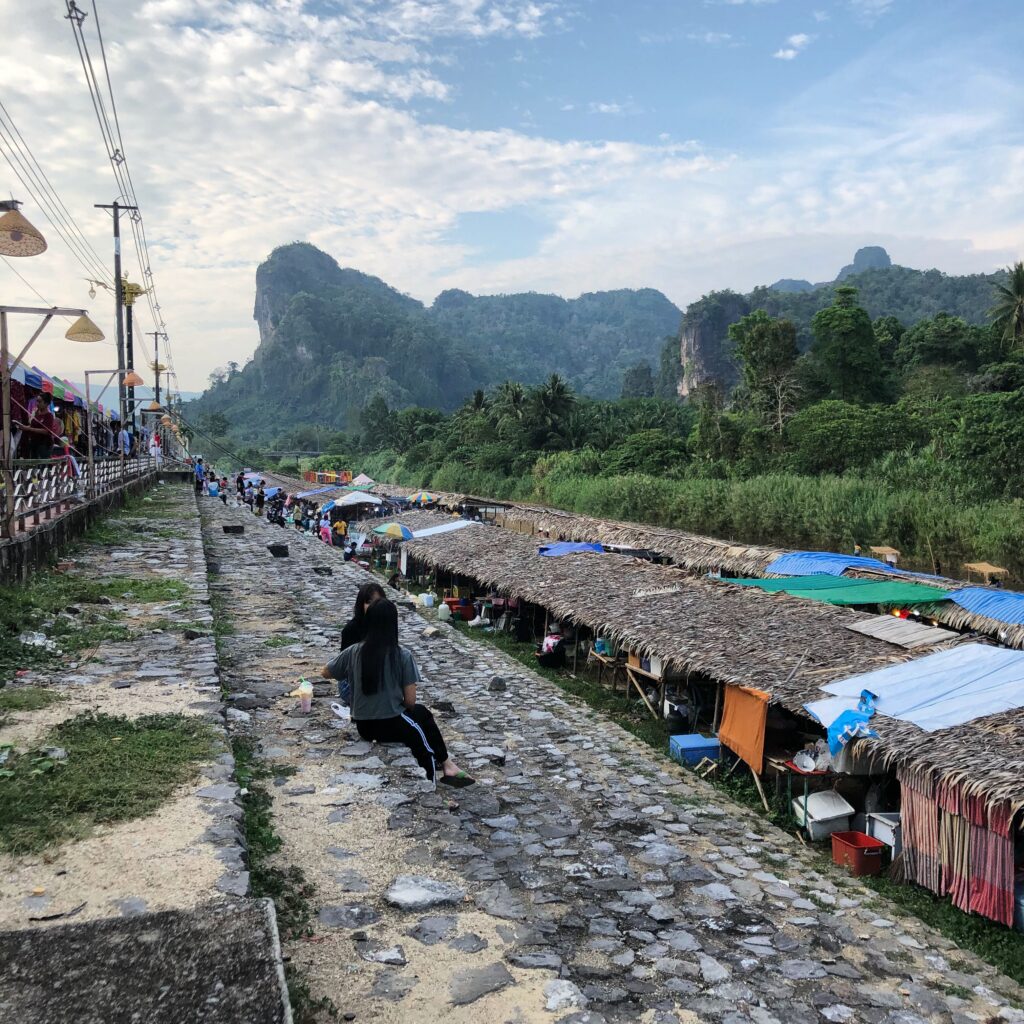
The best part was the local market called “ตลาดน้ำคลองงา”. Every Saturday dozens of vendors sell clothing and goods, plus homemade delicacies from dumplings to sticky mango rice. The market is working hard on eliminating plastic, so you can purchase most food in biodegradable containers. My sticky rice came in a bamboo cane, and the coconut milk was in a palm frond container.
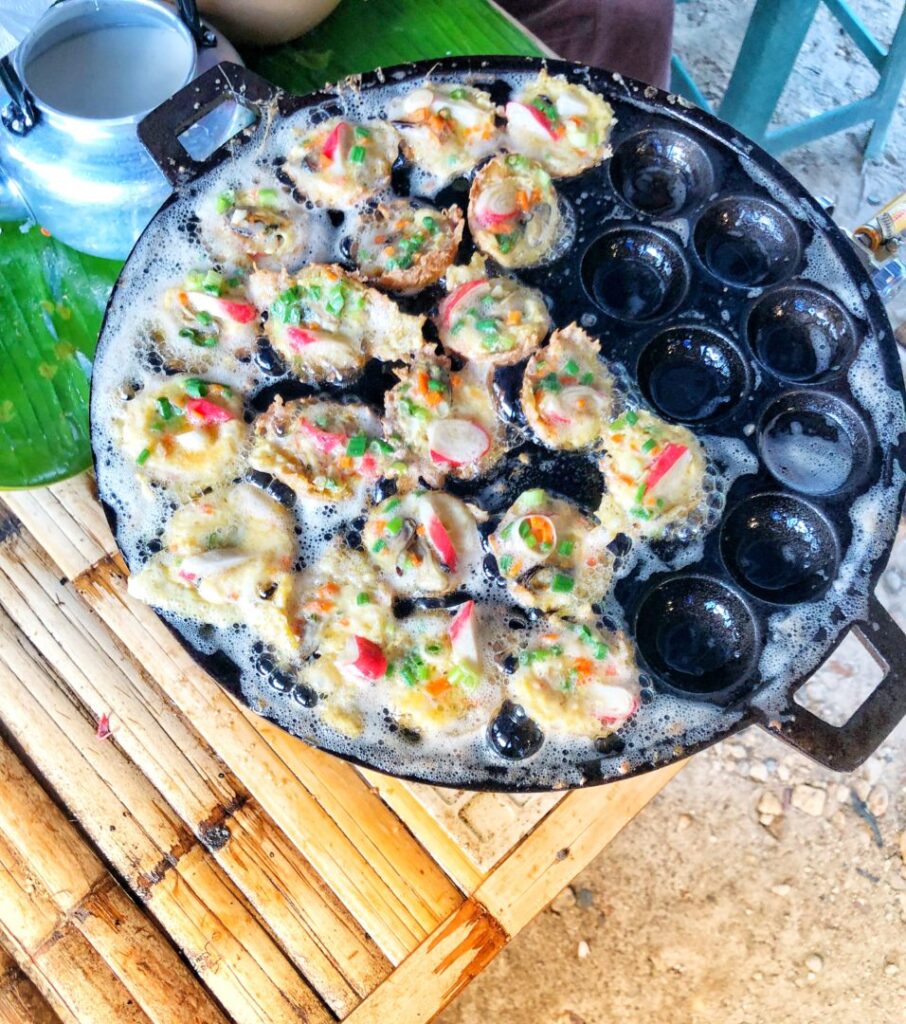
We enjoyed a guided tour too that included visits to some communities. I learned how they make sturdy kitchenware, bags and jewelry from palm fronds: even though my weaving skills are abysmal!
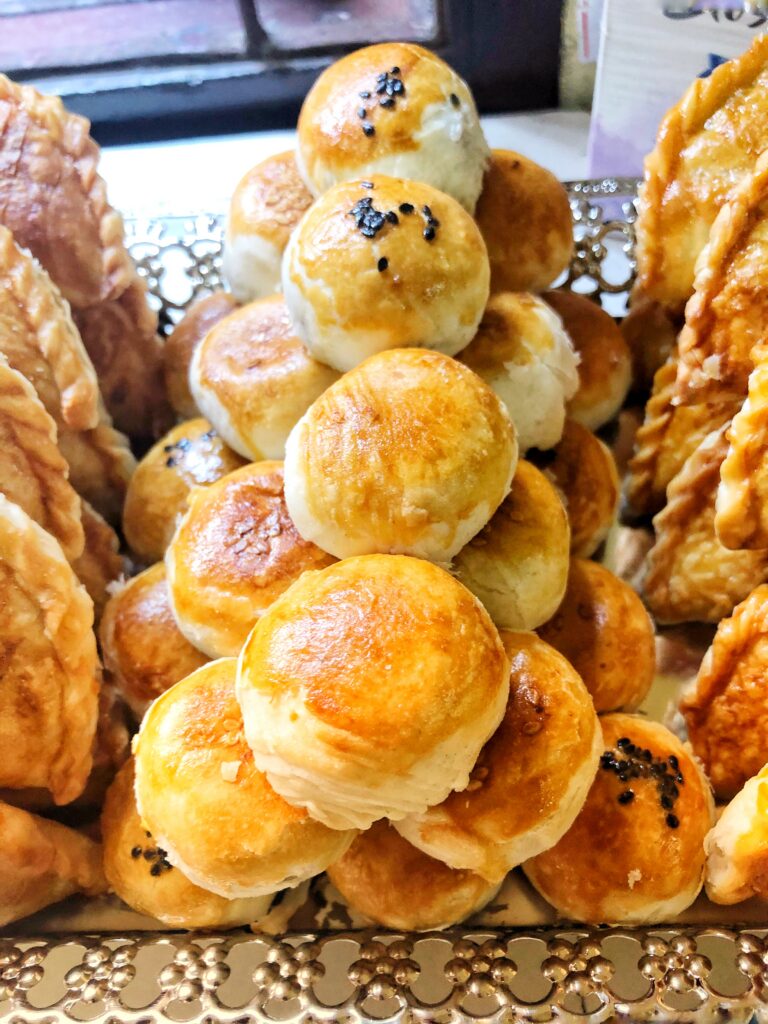
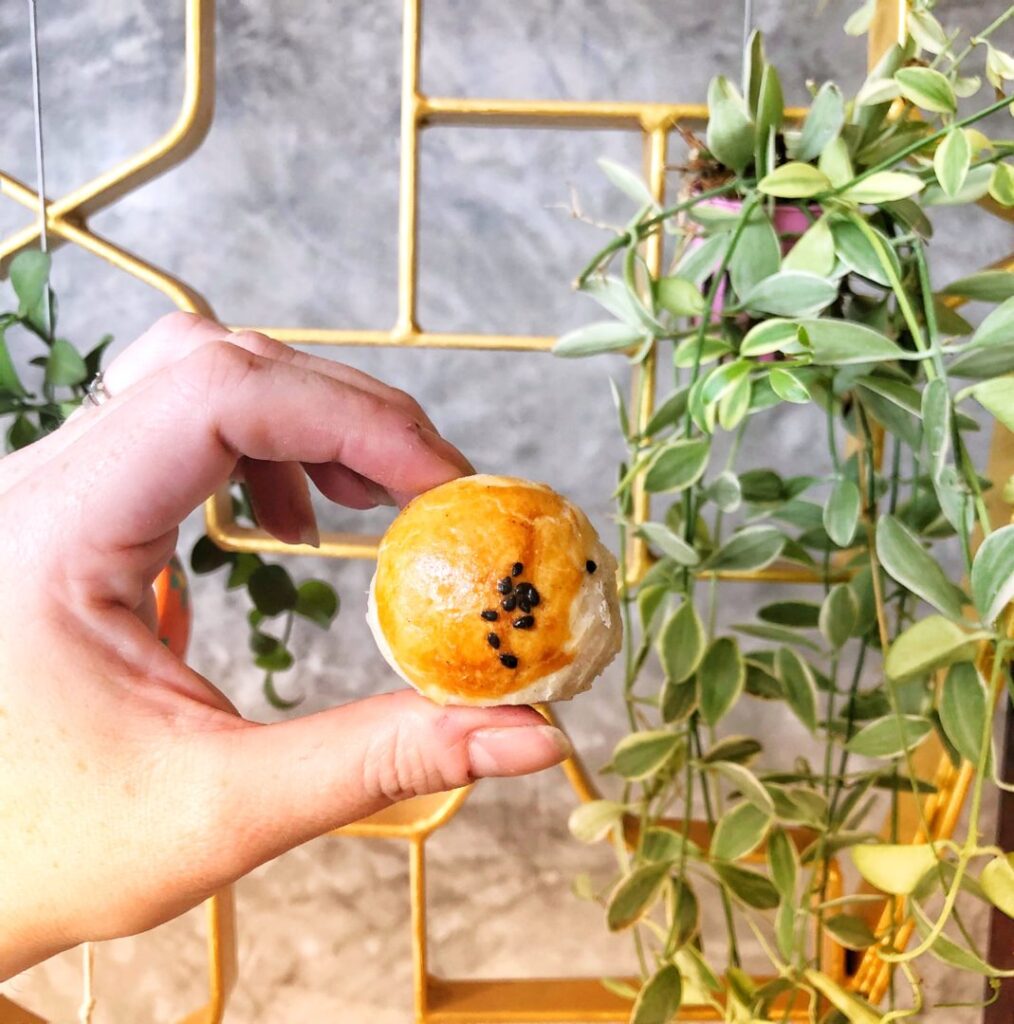
Red bean sweetened inside pastry dough is a popular dessert in Thailand. While exploring the Takuapaa District in Phang Nga, we stopped at a bakery called “ตวงรัตน์“. There, the ladies patiently showed us how to make the dessert called “Tao Sor”, sold at the small cafe and shop on site.
Another fun activity is a kayak excursion through “Little Amazon” (คลองสังเหน่ if you’re looking it up in Thai). These serene mangroves are home to lots of tropical birds, fish and the occasional monkey. I would have preferred to paddle myself, but it was relaxing to have a local guide navigate the waterways for us.
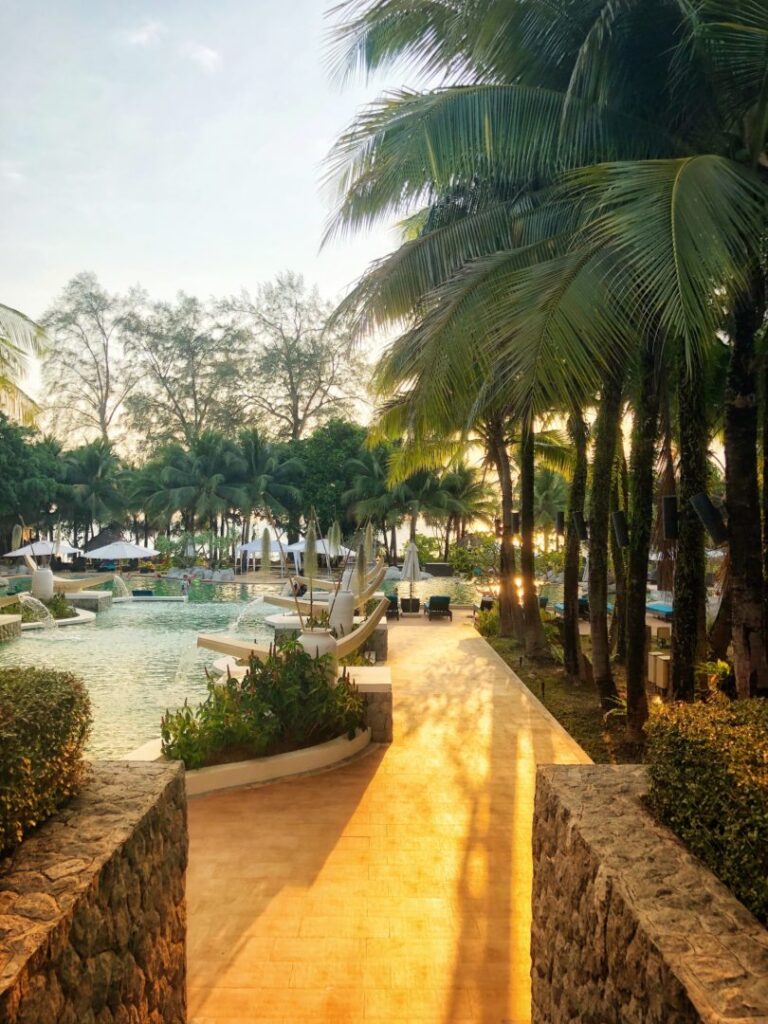
If you want to stay in Phang Nga, try the chic Natai Beach Resort & Spa. They have bungalows on the beach with rooftop terraces and a few have bathtubs outdoors if you’re feeling frisky. They’ll arrange an al fresco dining experience too if you’d like, with your toes in the sand.
Day 5: Island Hopping in Phang Nga Bay
Now like me, you’ll probably want to spend a fair amount of time Thailand island hopping. Both the islands and the mainland are wonderful to explore for plenty of beach time and some cultural exploration. Here are a couple I loved from our chartered boat trip through Phang Nga Bay.
Khao Phing Kan
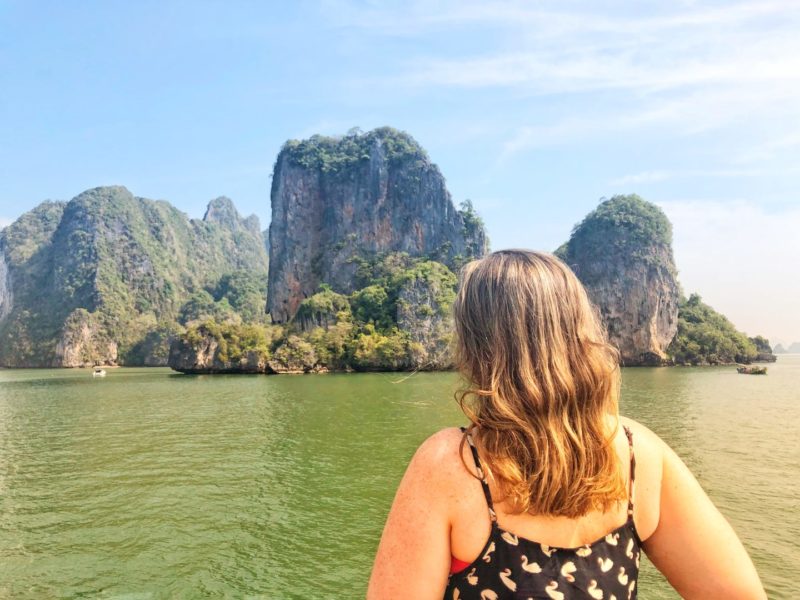
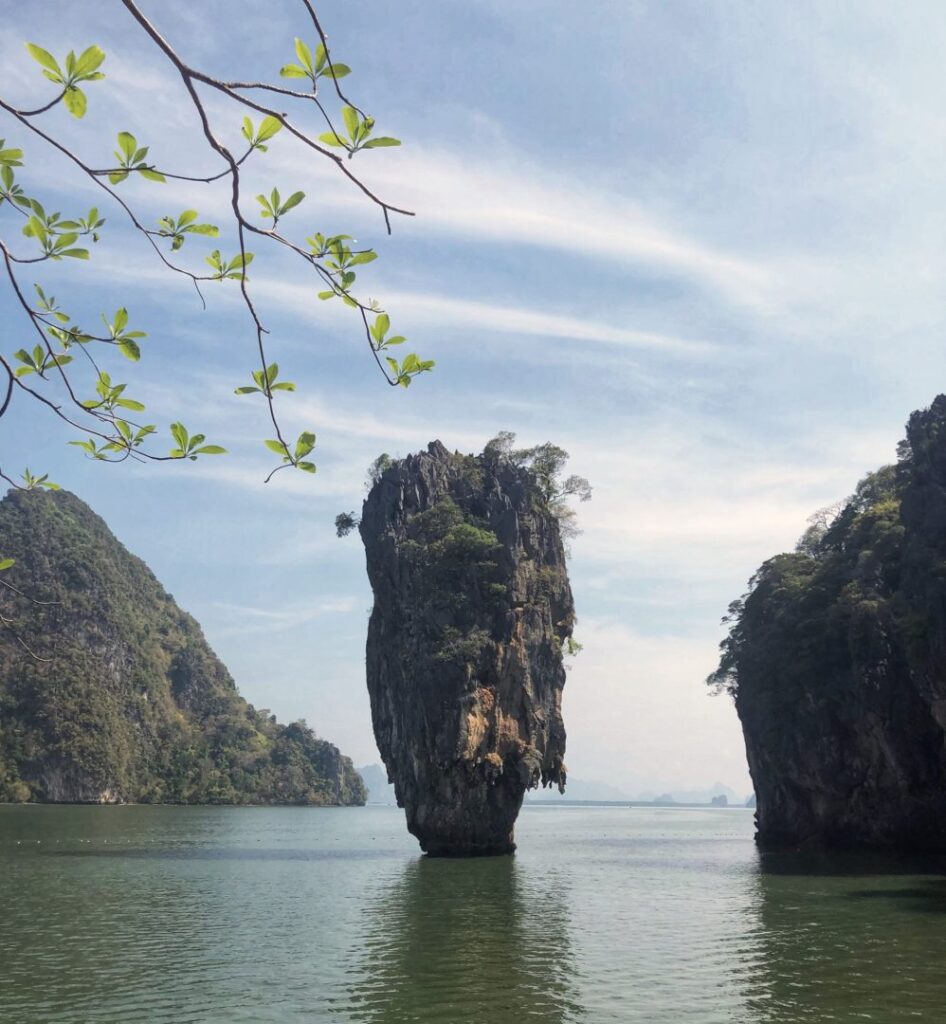
This is the famous ‘James Bond’ island. People come here by the hundreds to catch a glimpse of the interesting land formation jutting straight out of the water. It was used in the 1974 film ‘The Man with the Golden Gun’ as a secret lair. If you leave early enough in the morning, you’ll miss the heat and most of the crowds.
Koh Hong Lek
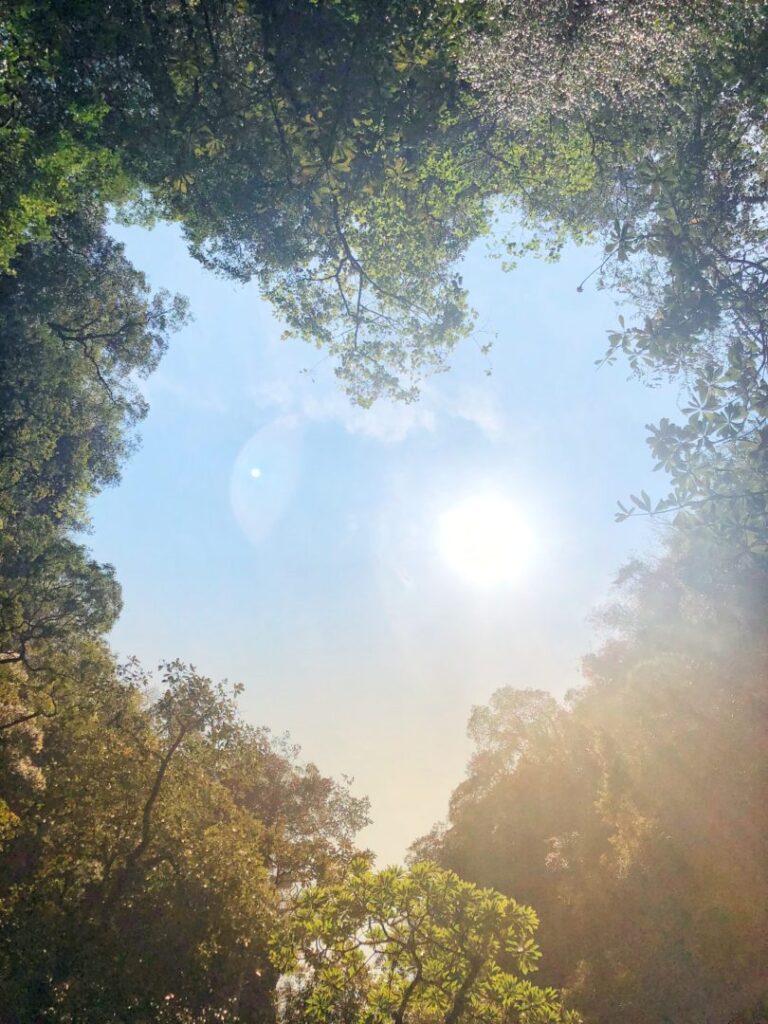
Near James Bond Island is a pretty and lush island, perfect for caving and kayaking. When you kayak around the corner, look up and spot the pretty heart-shaped formation in the trees.
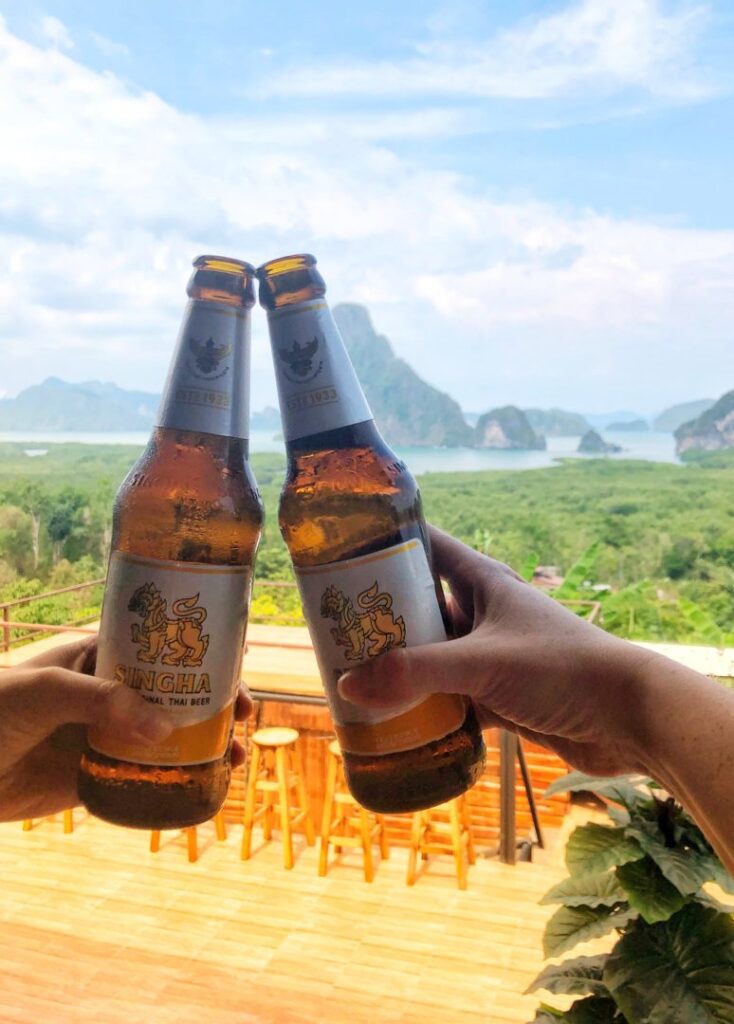
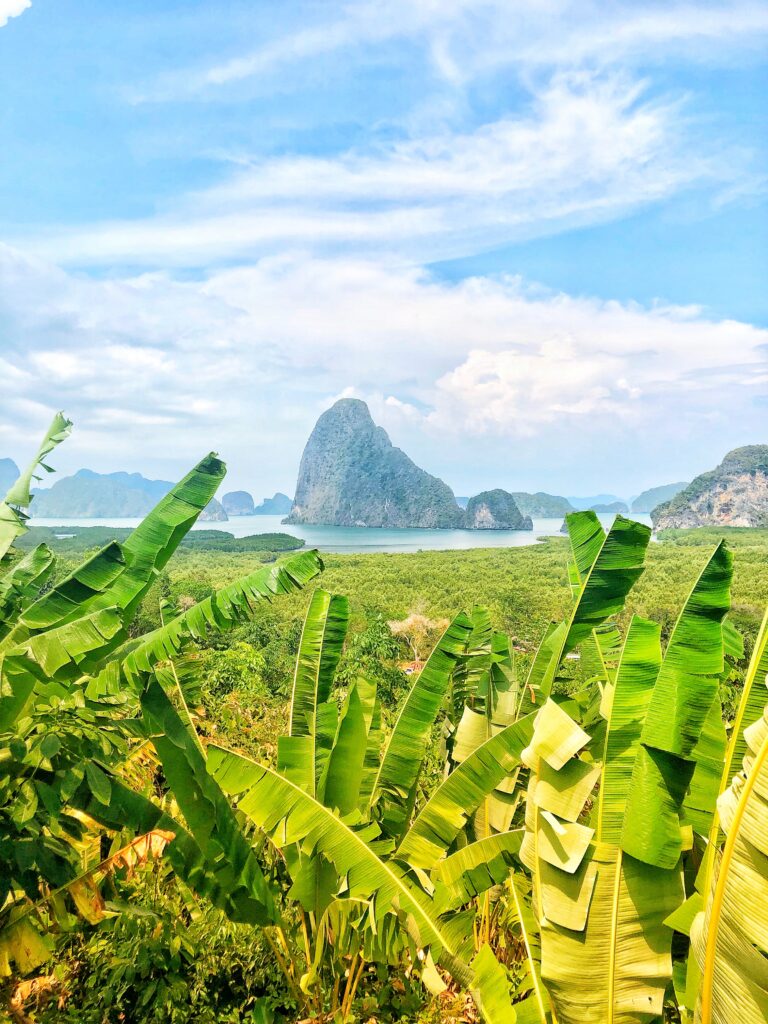
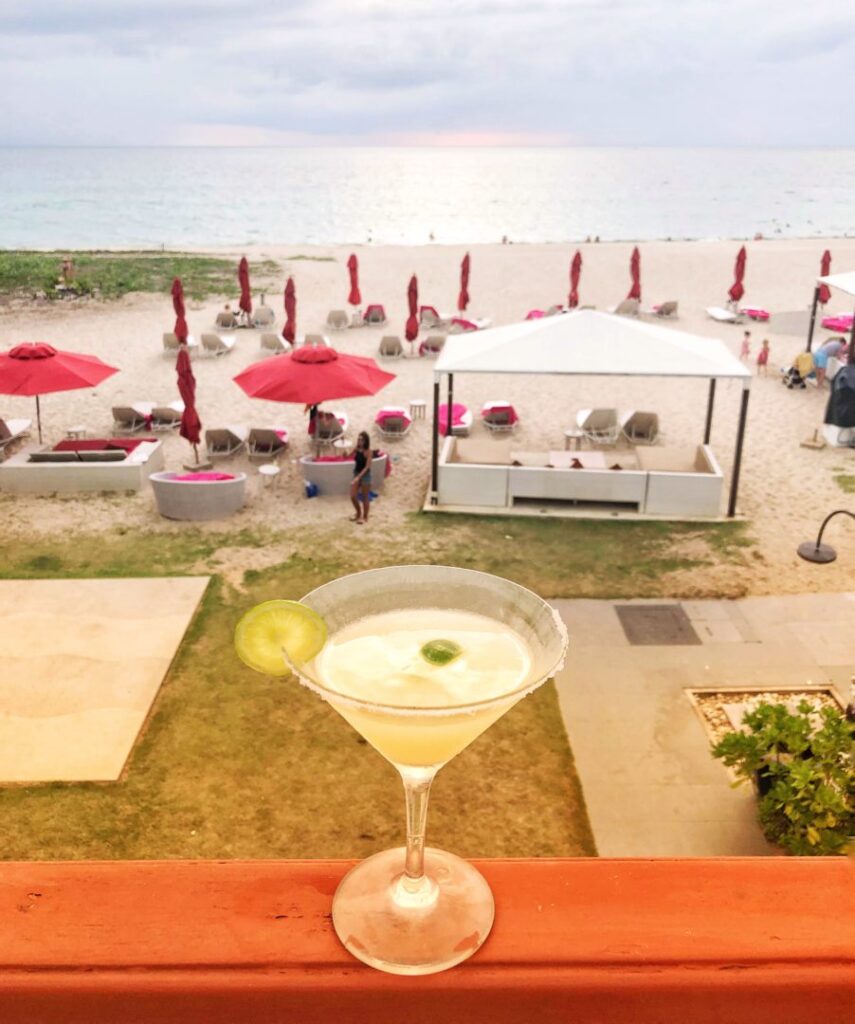
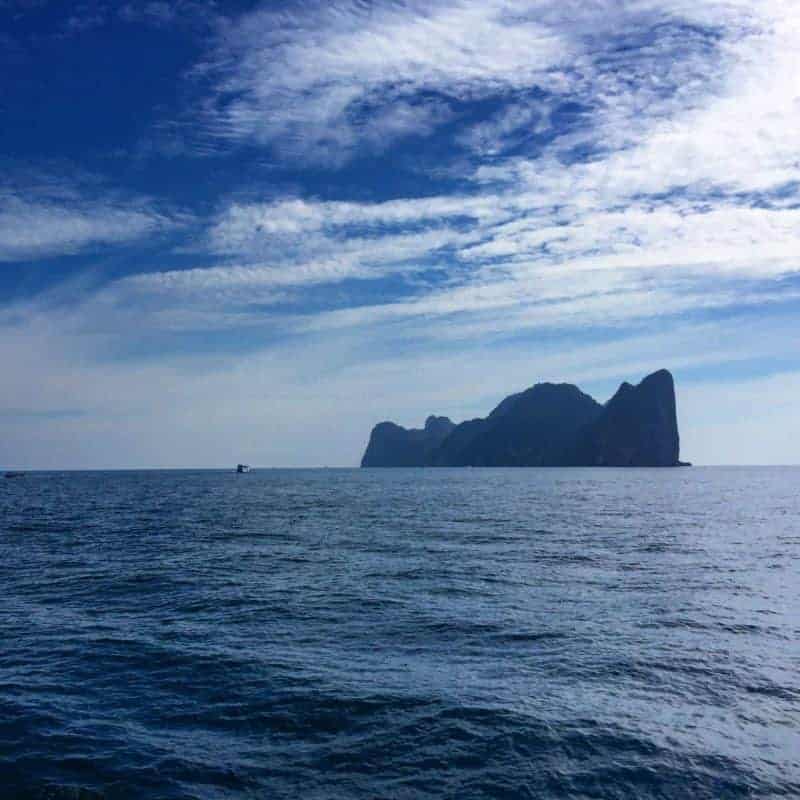
Protip: You can’t see James Bond Island from Phuket or Phang Nga, but you can enjoy incredible views of the hilly islands in general. Visit the Sametnangshe Boutique Resort in Phang Nga to stay in one of their eco-friendly bungalows, or simply have a cold Singha beer on the viewing platform as the sun goes down.
Days 6 and 7: Koh Yao Yai and Koh Yao Noi
Of all the days, this island time was the most relaxing. I love the mainland and Phuket Old Town, but there’s something special about Koh Yao Noi and its little neighbor, Koh Yao Yai. Maybe it was because the activity slowed way down and I could just soak in the scenery.
Koh Yao Noi is the smaller of the two islands. You can visit from Phuket by local ferry, via speedboat. By tuk-tuk or even motorbike, it’s a lovely place to unwind and explore its stretch of white sand. You and your crew can do some fun hands-on things too. There’s a place near the dock called “ผ้าบาติก ท่าเขา” where you can paint your own handkerchief. The woman makes stencils from wax drips that you watercolor, then the wax melts away in the sun. There’s also coconut farms to visit and plenty of seafood joints to dig into some fresh crab.
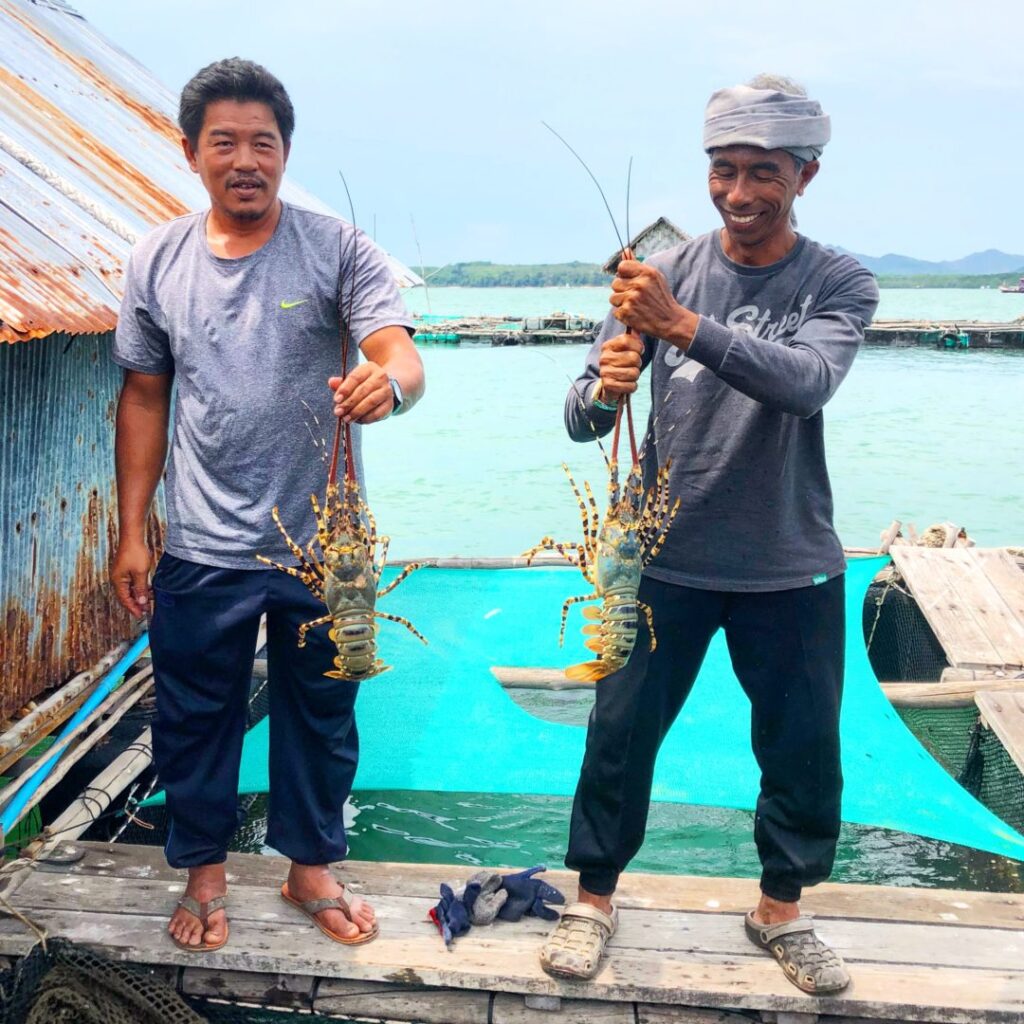
Take another local ferry over to Koh Yao Yai. On our private transport, we stopped at a floating lobster farm which was a fun bonus. They look very different than New England lobsters!
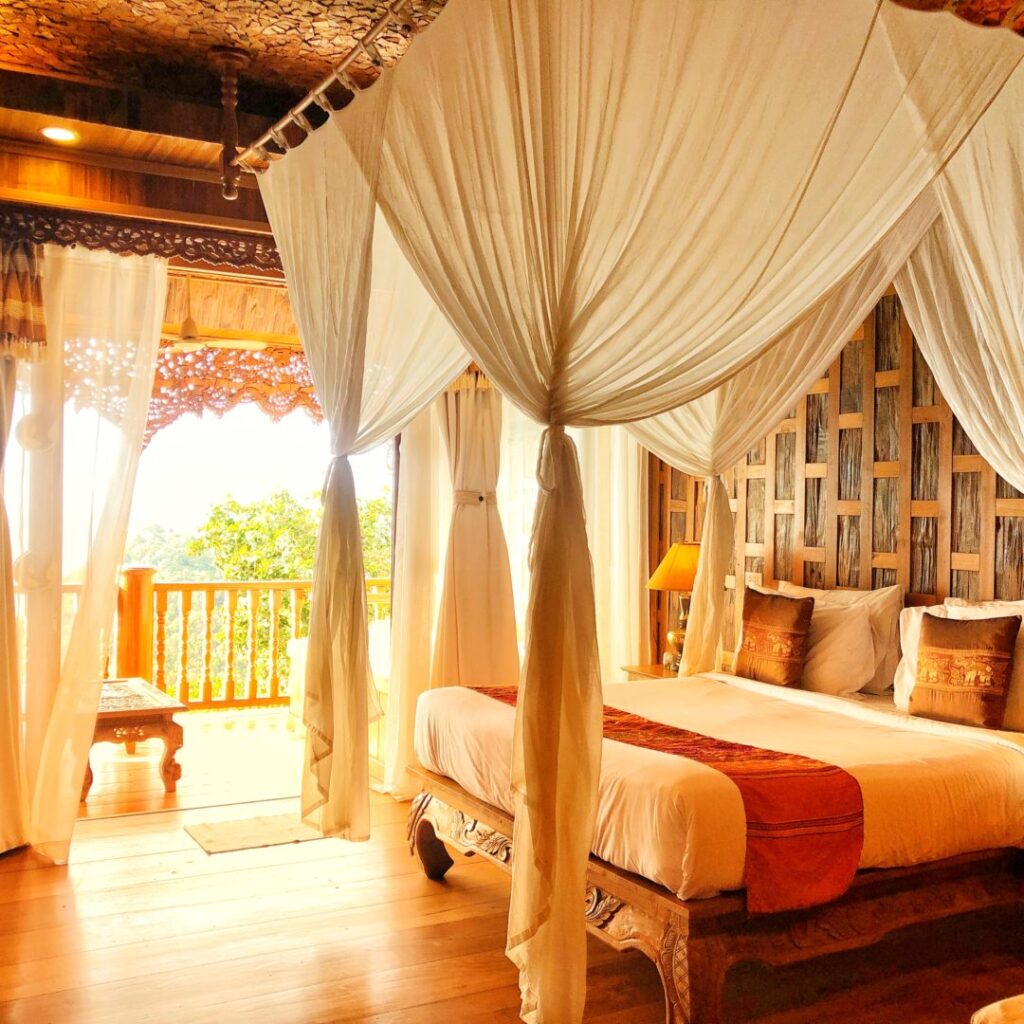
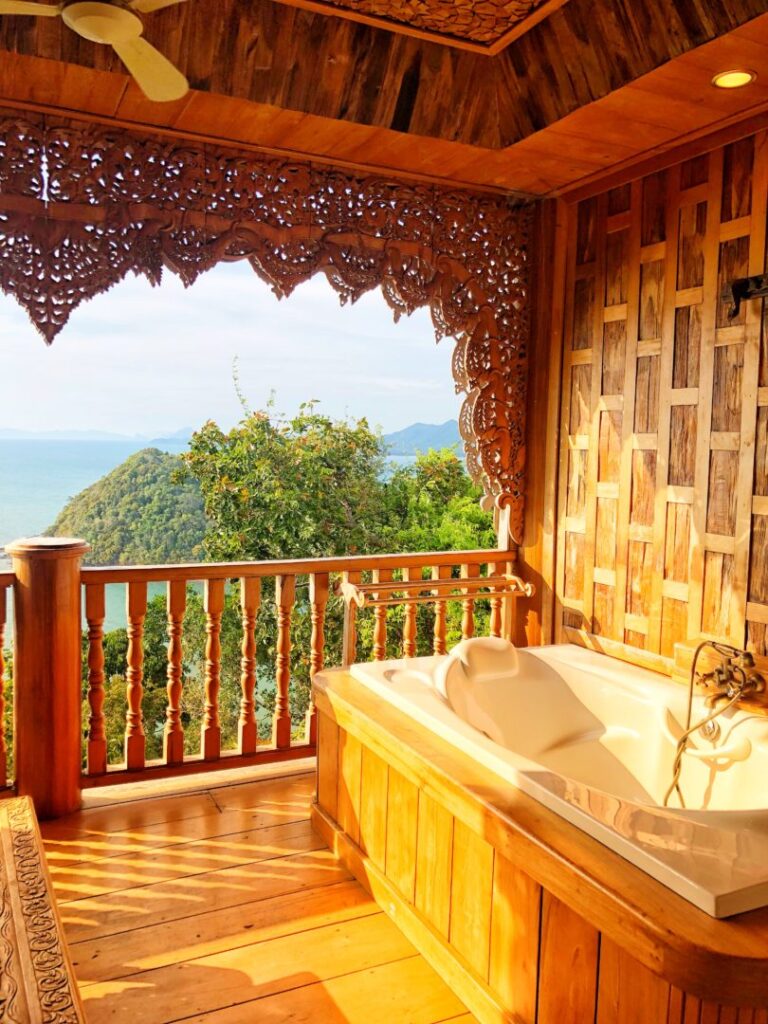
If you are really looking to indulge, make plans to stay at the Santhiya Koh Yao Yai Resort & Spa: easily the most breathtaking place I stayed at in Thailand. My husband and I have some beautiful teak wood accents in our Thai-themed bedroom at home. But Santhiya is completely created from this local material to surround you in gorgeous style. And really, you can’t beat a Jacuzzi tub out on the balcony overlooking the bay.
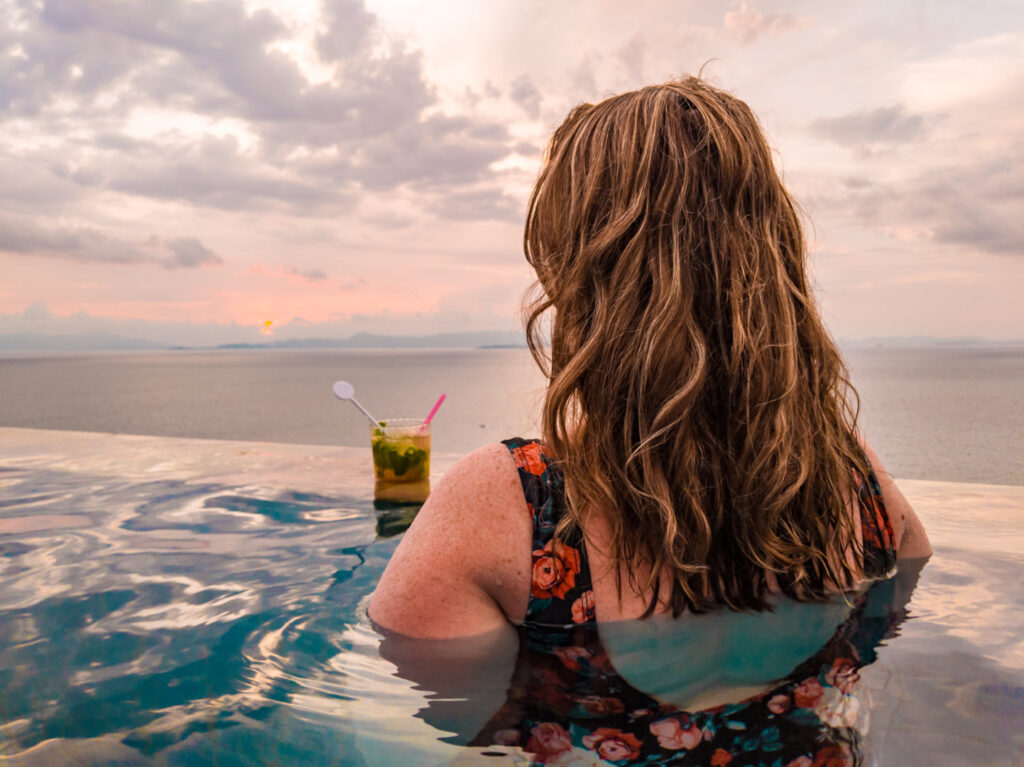
Not to mention, the infinity pools in some private suites, as well as the main one for guests at happy hour are unreal, especially at sunset. Don’t miss the BBQ on the beach at night or fresh coconut ice cream for dessert! I needed it after all those amazingly delicious but HOT curries. Make plenty of time in your Thailand itinerary to simply be in the moment at this oasis on Koh Yao Yai.
Island Alternative: Koh Lanta
If you have extra days, or if you’d rather trade the Koh Yao islands for somewhere even more off the grid, Koh Lanta deserves a place in your itinerary. It’s south of Krabi, quieter than Phuket, and has a laid-back energy that’s hard to find elsewhere in South Thailand.
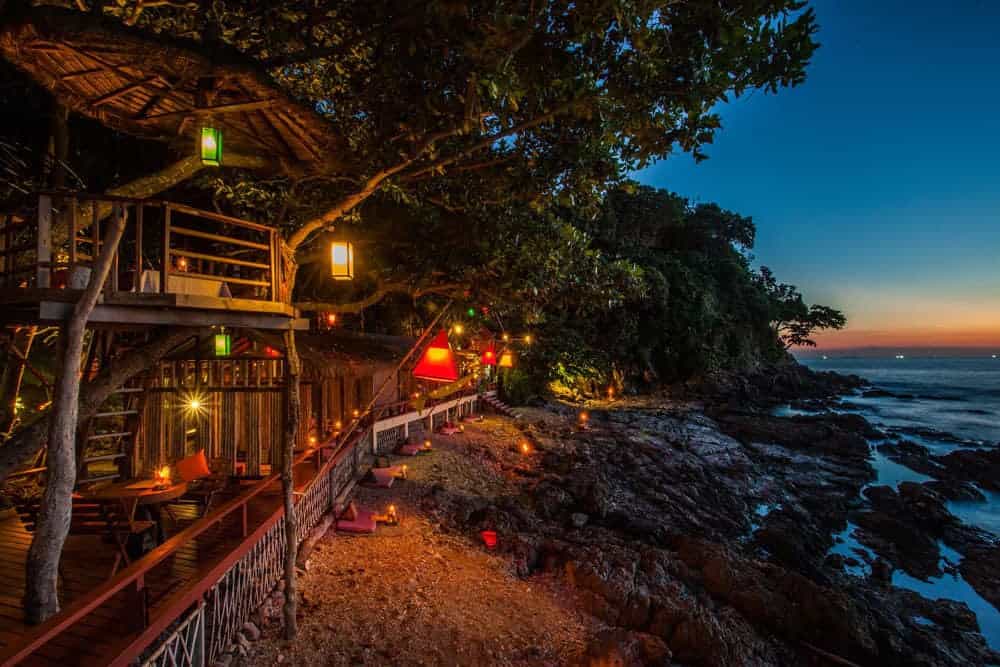
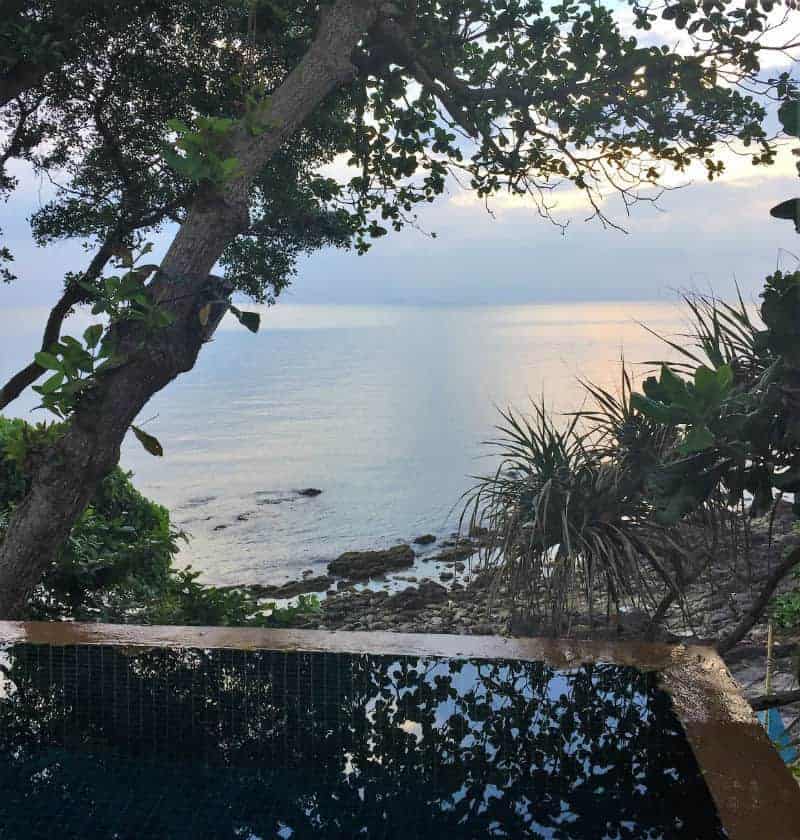
Waves are distant, crashing on the volcanic rocks below the bamboo booths. As the sun creeps below the horizon, people clink together strong cocktails, facing out to the Andaman Sea. The Reggae Bar on the island of Koh Lanta may play the same dozen songs on repeat, but it’s familiar and fun. It’s cozy, balmy and just the place to feel completely away from it all (it may have changed slighty over the years!).
Staff silently creep across the rocks, leaving small tea lights scattered about the craggy beach. Everything was made to be perfect for those experiencing the view, down to the small details. The quiet beauty and pride found in Koh Lanta was a common theme of the visit. While white sandy beaches are a bonus, Koh Lanta’s rugged shores, authentic food, philanthropic causes and adventurous tours are all well worth checking out while in Thailand.
Crown Lanta Resort
There are a few lovely places to stay in Koh Lanta, but we lucked out with one of the best. On the north side of the island, the cliffside resort we stayed at (now operating as the Avani+ Koh Lanta Krabi Resort) is perched overlooking the sea and sky. It’s luxurious without being pretentious, and the perfect place to wile away the hours on the island.
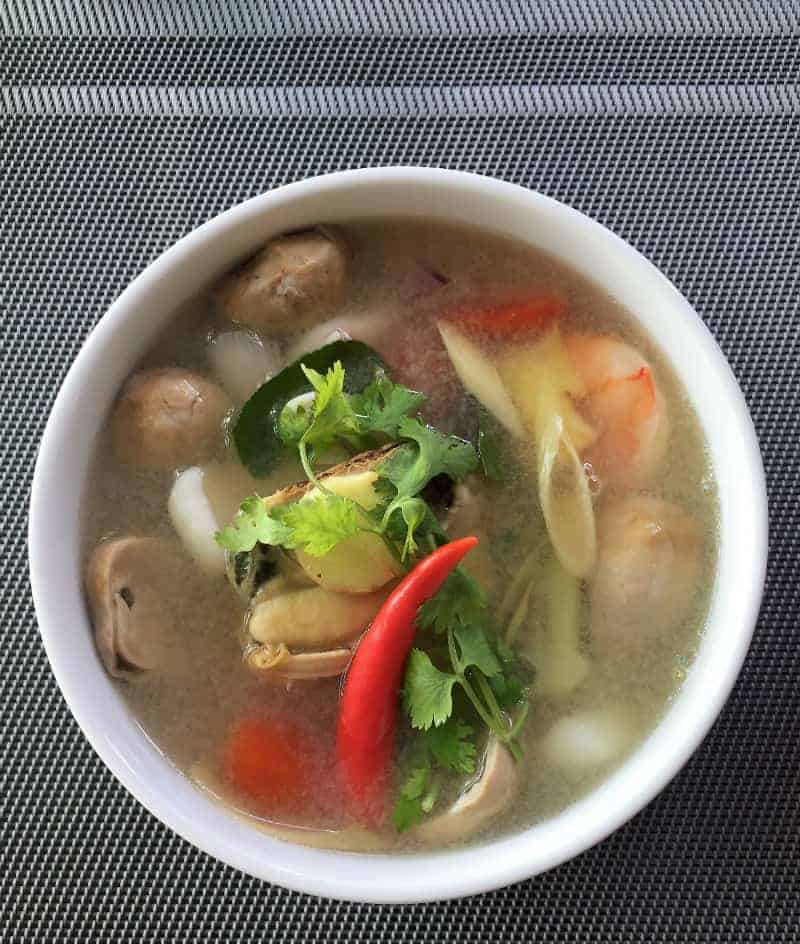
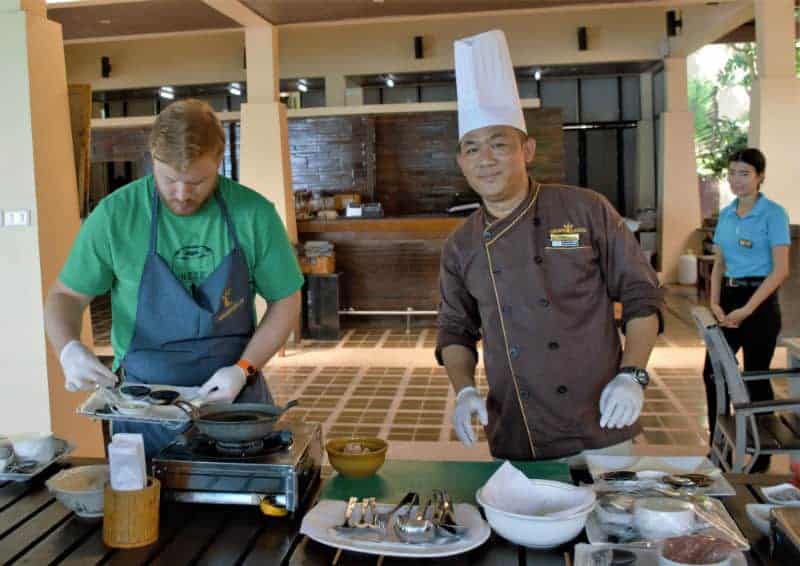
A highlight was a private Thai cooking class that went over the basics and a few fun dishes. After our food tours in Bangkok and trying lots of mysterious (yet delicious) meals, we were thrilled to re-create some of our favorites. Like the clear soup called Tom Yum Kung: although my assistant kept laughing when I tried to hide the chilies and leave them out! The trick is to have oil super hot for frying and flavor. It led to a few shooting flames and yelps, but no one was harmed in the creation of delicious Thai food.
Happy hour at the Reggae Bar/The Rock Bar is always a good time on site. There’s also a giant seafood buffet and floor show held every week at The Cliff Restaurant, one of three dining options on property. Don’t worry about crowds at the pool, as there are two to choose from, as well as a private sandy beach.
Mangroves, Islands, and Giving Back
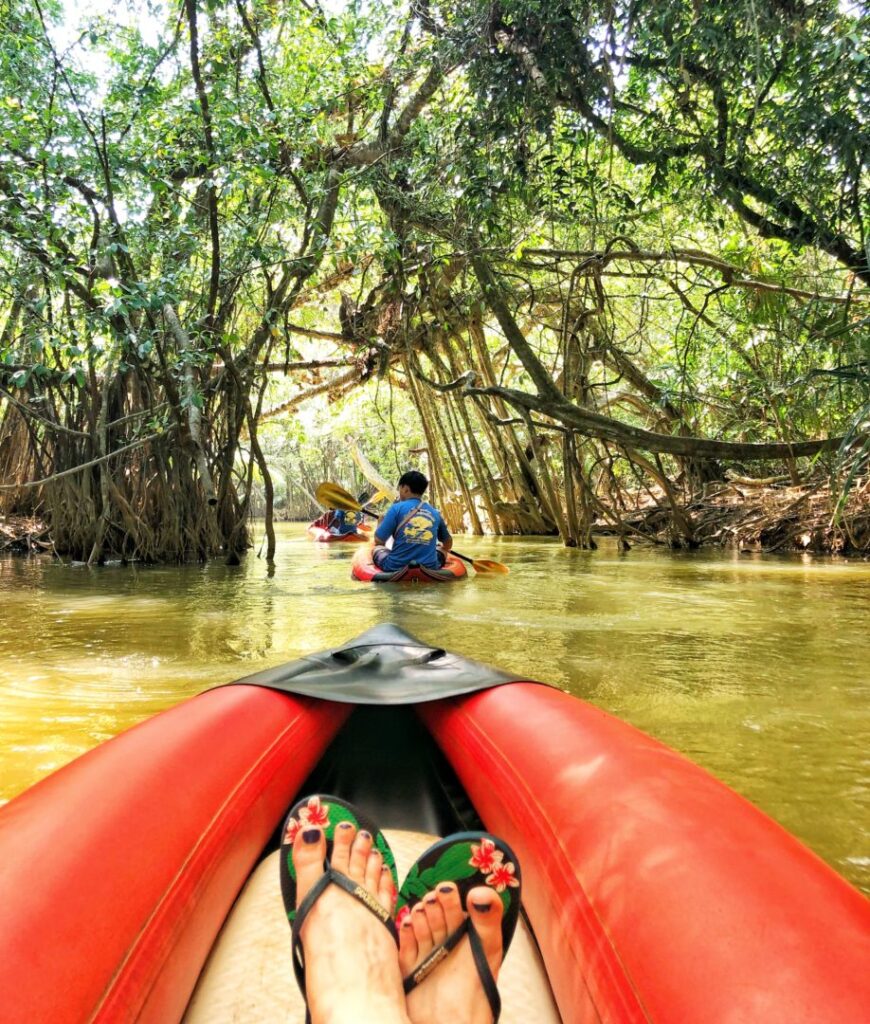
There are dense mangroves throughout Koh Lanta, which are best experienced by kayak. Take a tuk-tuk to the base of the river and enjoy a full day navigating these gentle waters. A riverboat will take you through dense trees, home to diverse wildlife like monkeys and big lizards. Some might be invited into the boats! Several tour companies will take you around for the day, booked from the hotel. Most tours offer a hot lunch as well as cold drinks.
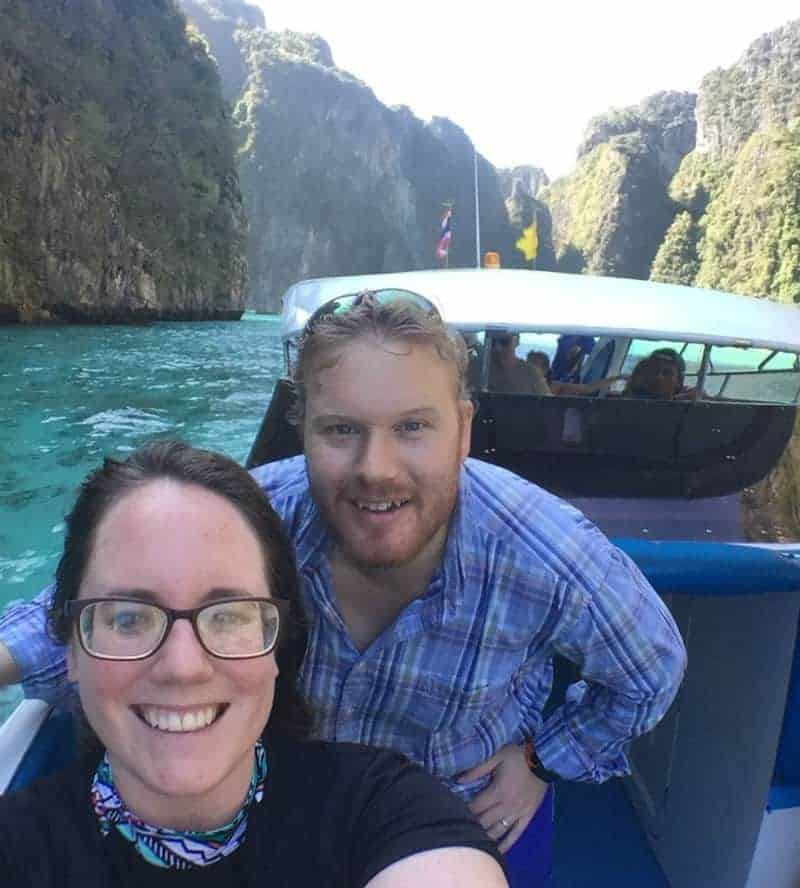
For something more classic, take one of the speedboats over to the Phi Phi Islands. Worth noting: these beaches are very crowded, even in the off-season, and parts of the area have faced closures due to overtourism. Consider a tour leaving from Krabi via speedboat to spread the impact a little.
Lanta Animal Welfare
Tons of expats live in Koh Lanta and all over Thailand. This island is a little more off the grid than others, so you have to be really devoted to this lifestyle to stick it out. But we were happy to hear stories of success, including the amazing Lanta Animal Welfare.
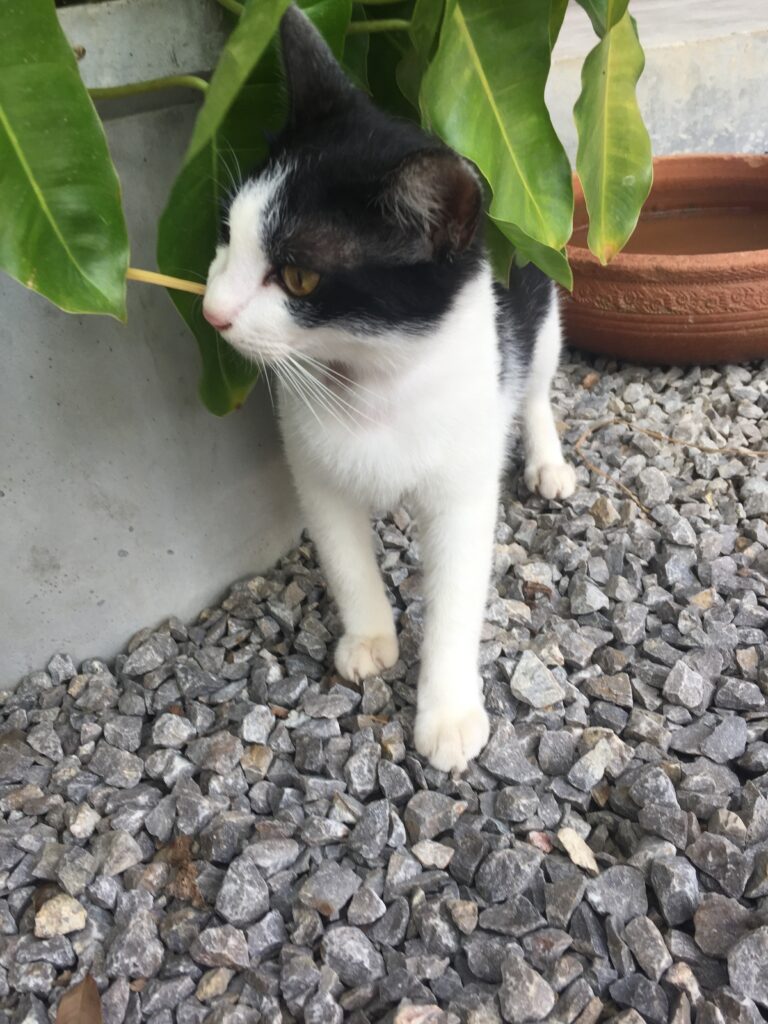
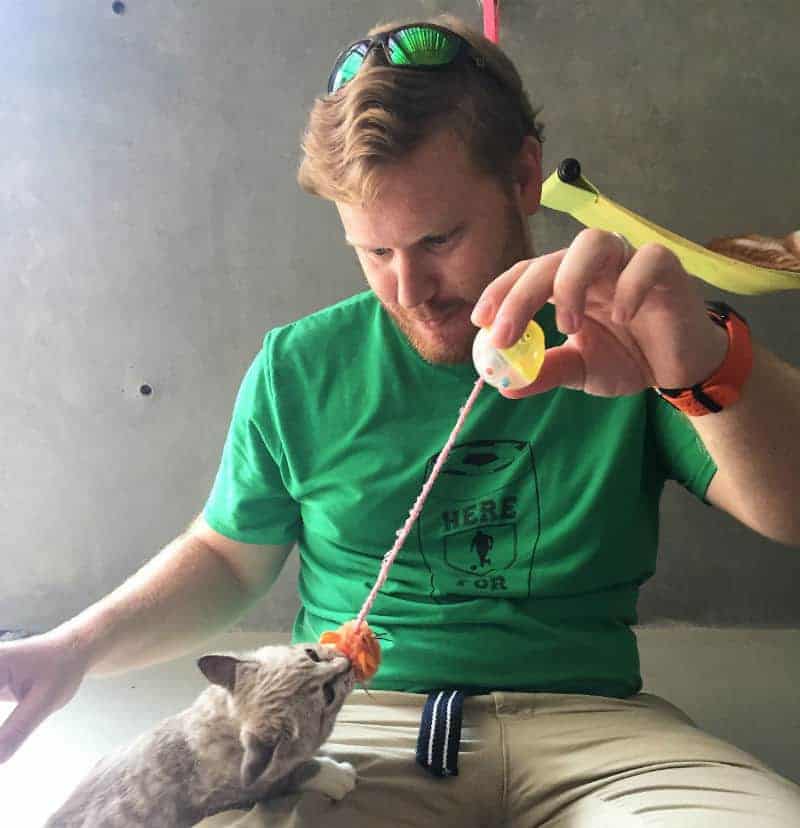
In a torrential downpour, we made our way to the sanctuary on the northern end of Koh Lanta in a tuk-tuk. The complex is simple, with a brand-new addition of a cat cafe. Visitors can drop in anytime, have a cold tea, vegan cake and pet some of the furry friends up for adoption. It helps the cats learn to socialize and be better equipped to handle life with their new forever homes.
After a cat cuddle (there are a few kittens too), guests are welcome to join a quick tour by the head honchos. Many of them are British expats and volunteers. They’ll show you where the dogs are kept, the veterinary stations and talk about the animals. They’ve helped more than 15,000 creatures in distress over the years and support international adoptions.
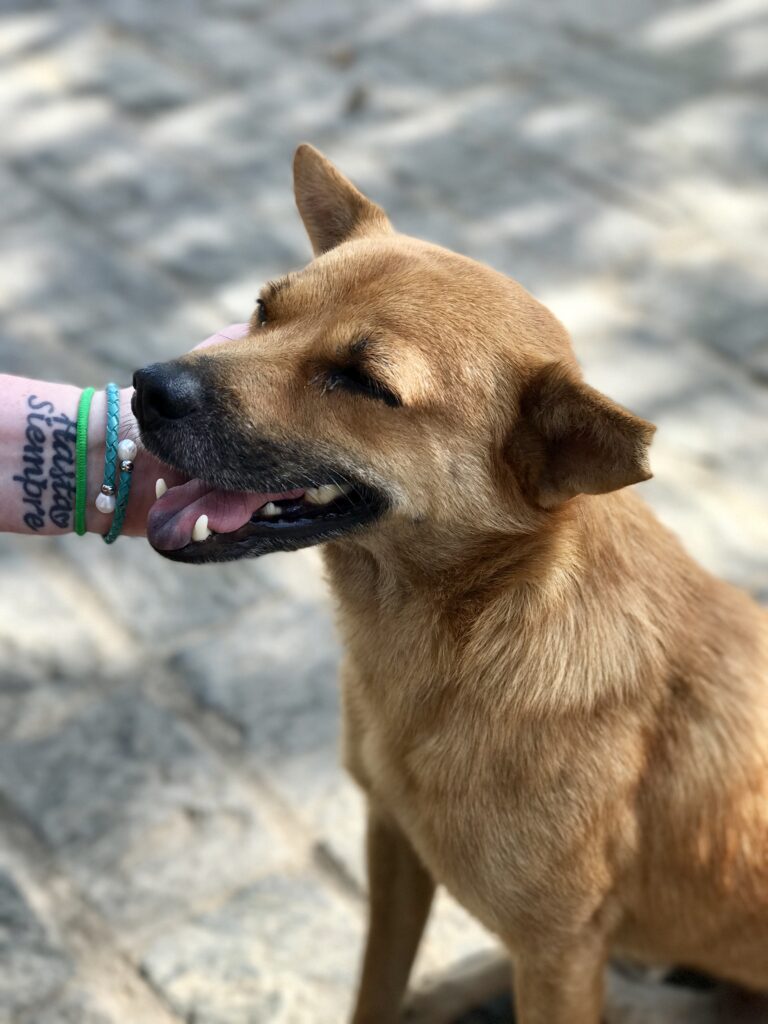
If you stick around long enough they’ll put you to work. We were able to meet one of the ‘packs’ of dogs and take them out for their daily walk. As it was nearing sundown we each were assigned one dog and made the trek to the nearby beach. I wish we could have let them fly free, but they all still seemed to have a blast. Well, except the one puppy who flopped down exhausted and had to be carried.
If you want to help, you can sponsor a dog to fly home to his adoptive family. They simply need your assistance and it won’t cost you anything. Shoot them an email about donations, volunteering, adoptions and escort animal flights anytime.
The Northern Extension: 3 Days in Chiang Mai
The city of Chiang Mai is often thought of as a backpackers’ delight. There are countless hostels, bars with drink specials, hipster coffee houses and cheap street food. If you’re over 20 years old, you might feel inclined to skip the mountain city. People think the best time to visit Chiang Mai is for an exotic spring break, or when wandering the globe for a gap year.
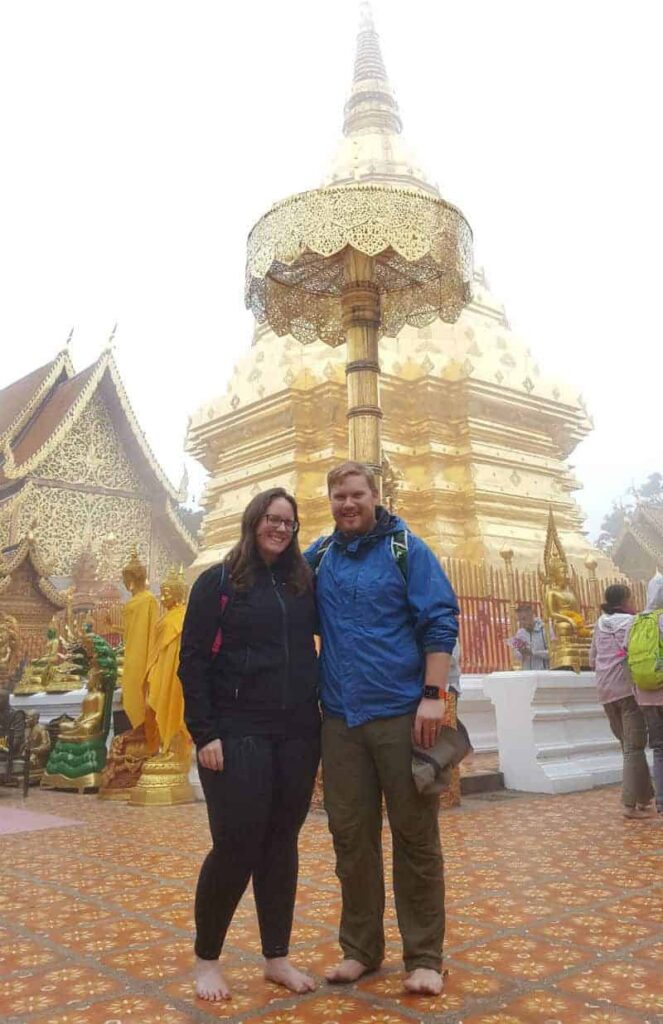
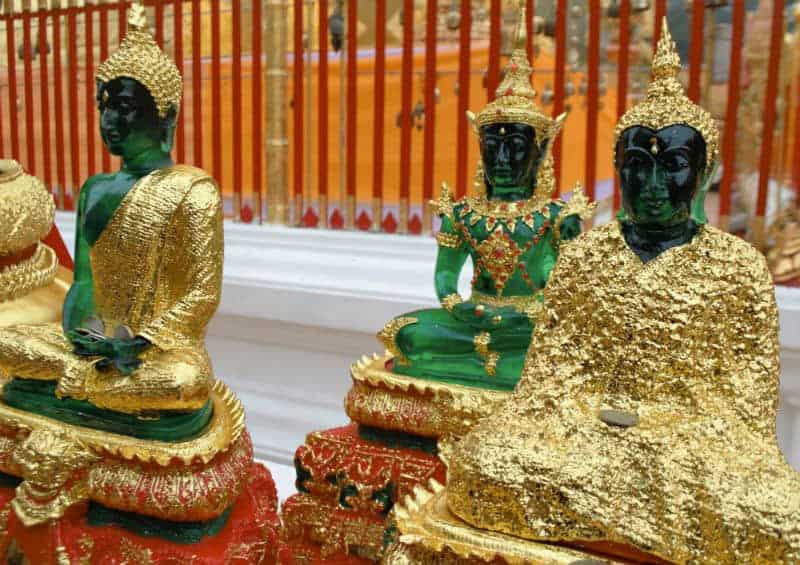
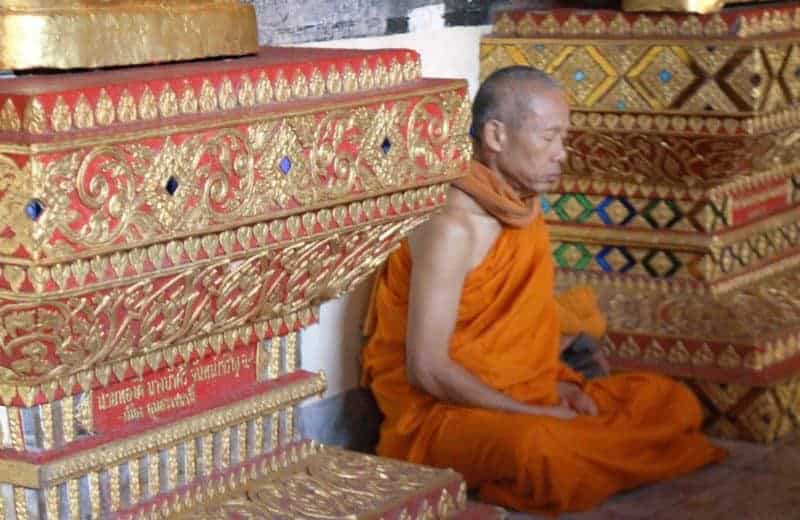
But it would be a shame to miss out once the backpacking days are over. Chiang Mai is perfect for everyone. There are some wonderful high-end restaurants, chic hotels and incredible culture to entice those with a taste for something a little more luxurious. The Bangkok to Chiang Mai flight is an easy one-hour journey. It’s ideal for a 3-day stopover, and one of the most rewarding additions you can make to any Thailand trip.
That said, I’d advise not trying to squeeze Chiang Mai into the core 7-day itinerary, especially if you’re traveling a long distance. Build in the extra time or save it for the next trip.
Here’s some great Chiang Mai tours and experiences to get you started!
Where to Stay in Chiang Mai
I stayed at 137 Pillars House just outside the old town and easy to get to from the airport. Waiting inside is a beautiful reception area covered in dark teak wood, which reoccurs as a theme throughout the property. The 100-year-old main house was saved and reconstructed to inspire the rest of the hotel room bungalows. You can retire to your spacious room for a hot bath, or grab some reading time on the chaise lounge on the balcony, surrounded by tropical trees. I also loved the detail of an outdoor shower. It’s welcomed in the humid temperatures to cool off while still surrounded by nature.
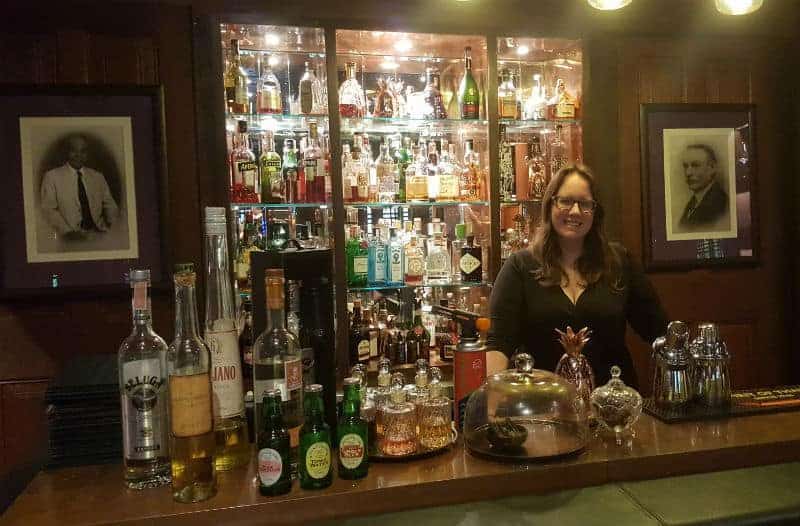
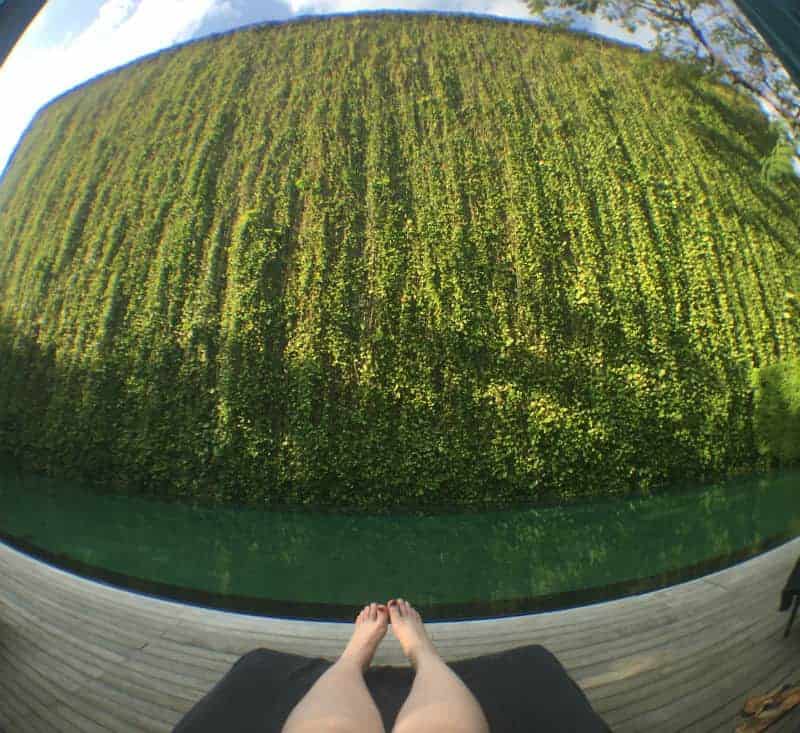
We rinsed from the day’s adventures, had a dip in a lush pool, then gussied up for the evening for a cocktail at happy hour in the Jack Bain’s Bar. Each guest who arrives at 137 Pillars gets special treatment, complete with butler service. But this is a high-tech butler, happy to offer his cell number so you can text him anytime something is needed. He was so helpful to arrange a decadent Thai massage on-site, as well as call a tuk-tuk to take us downtown any time we’d like.
A few other excellent options worth knowing about: Tamarind Village sits in the heart of the Old City with daily cultural activities included and the Sunday Walking Street at the front door. Sala Lanna is a small riverside retreat with only 15 rooms and two pools. It’s ideal if your group wants a sense of private retreat.
Day 1: Elephant Sanctuary and Evening at the Night Market
I wanted to make sure my encounter with elephants was as ethical as possible. I had observed them from afar in Sri Lanka before. Due to various reasons, some elephants will have to be taken care of their whole lives by people and it can be meaningful to connect with them up close, when it’s done thoughtfully.
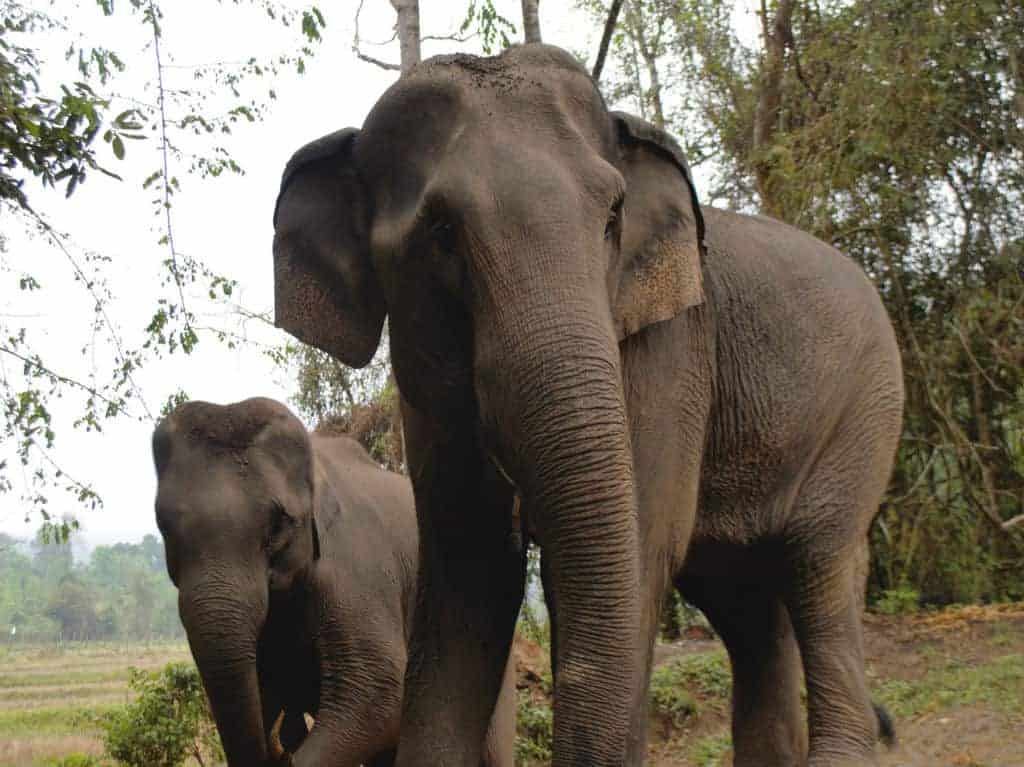
We visited what was then called the Ethical Elephant Sanctuary, about a 90-minute drive outside the city. It’s a small operation run by Karen Hill Tribe people where a small pack of elephants lived on their mountain land. A paddock area was cleared without any fences, and on the other side of a small muddy river were rice paddies and raised homes made of bamboo.
There was a quick overview of the Karen Hill Tribe mentality of caring for these animals. We were given traditional shirts that help elephants feel calm, as they smell like the handlers. Then we were led over to the gentle giants. Sugar cane is a favorite treat, eaten by the bucketloads. We stood behind some bamboo rails while we got used to their presence, and vice versa. There were two moms, a grandmom, and two 18-month old baby elephants. After an hour, the little ones (not really little, about 300 pounds or so) would come up and lean on you while happily munching sugar cane.
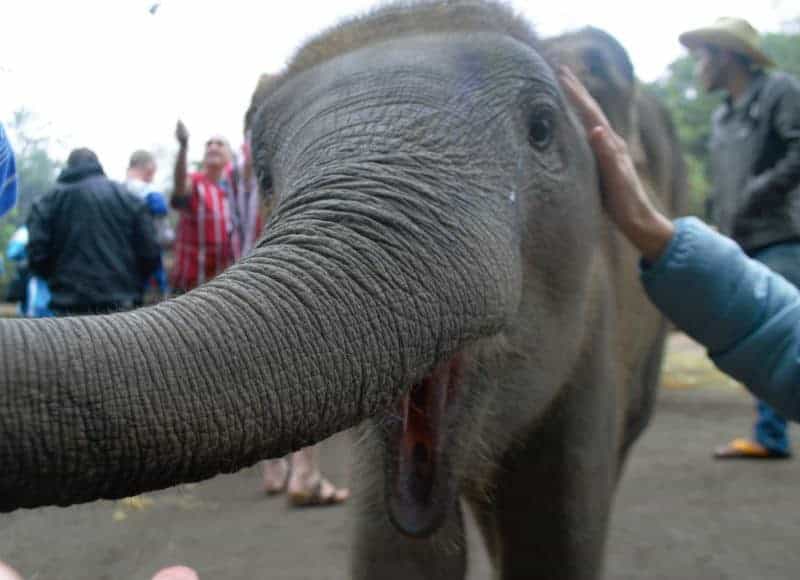
Our small group fed the elephants for a couple of hours, had a quick trek through the jungle with the animals, then broke for lunch of homemade curry. After eating, the brave ones stripped down to bathing suits (it was pretty darn cold!) and dunked in the muddy water with the gentle giants.
That experience shaped how I think about wildlife encounters entirely. What I know now, though, is that the most respectful way to be with elephants is to let them lead: to observe them in environments where they can roam freely and express natural behavior, where no riding or performance is involved, and where your visit directly funds their care rather than someone’s profit. The sanctuary I visited has since changed, but the values it introduced me to haven’t.
If you’re planning a Chiang Mai elephant experience, two sanctuaries stand out for meeting that gold standard bar right now:
Elephant Rescue Park in Mae Taeng offers both group and private programs about an hour from the city, with forest walks, feeding, and small group sizes. Their private option guarantees your group is the only visitors, which makes for an intimate experience.
ChangChill in Mae Wang is a strict observation-only sanctuary recommended by World Animal Protection. No touching, but watching elephants forage and socialize entirely on their own terms in a forested setting is quietly extraordinary.
Both include hotel transport and book up quickly, so reserve ahead.
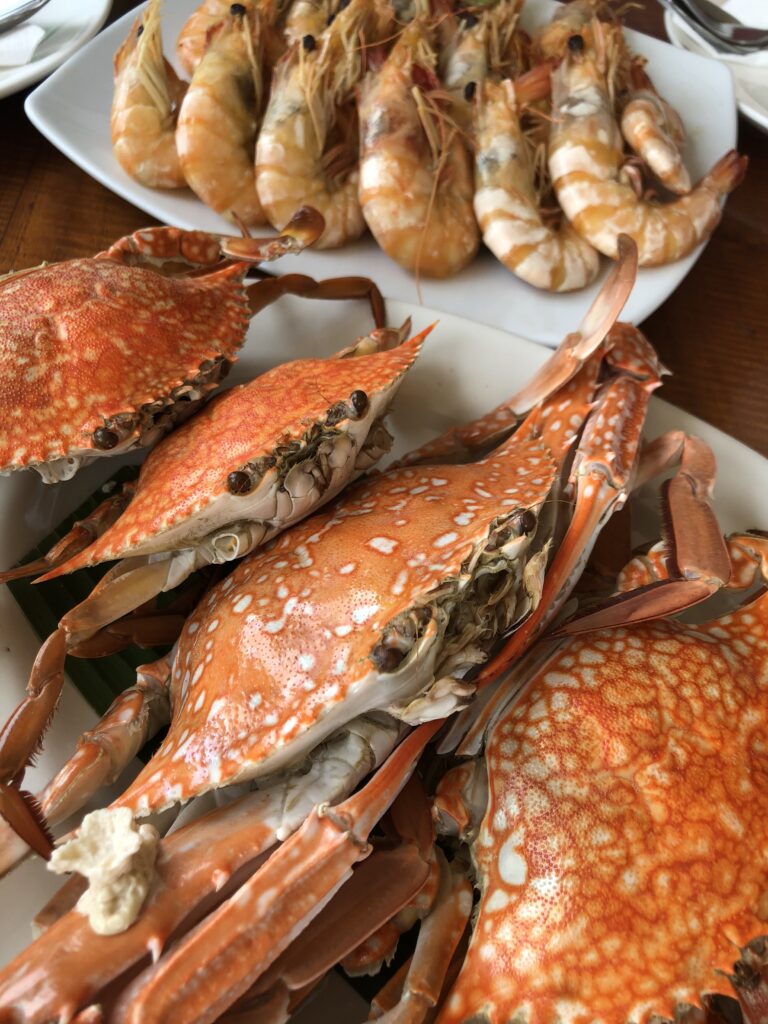
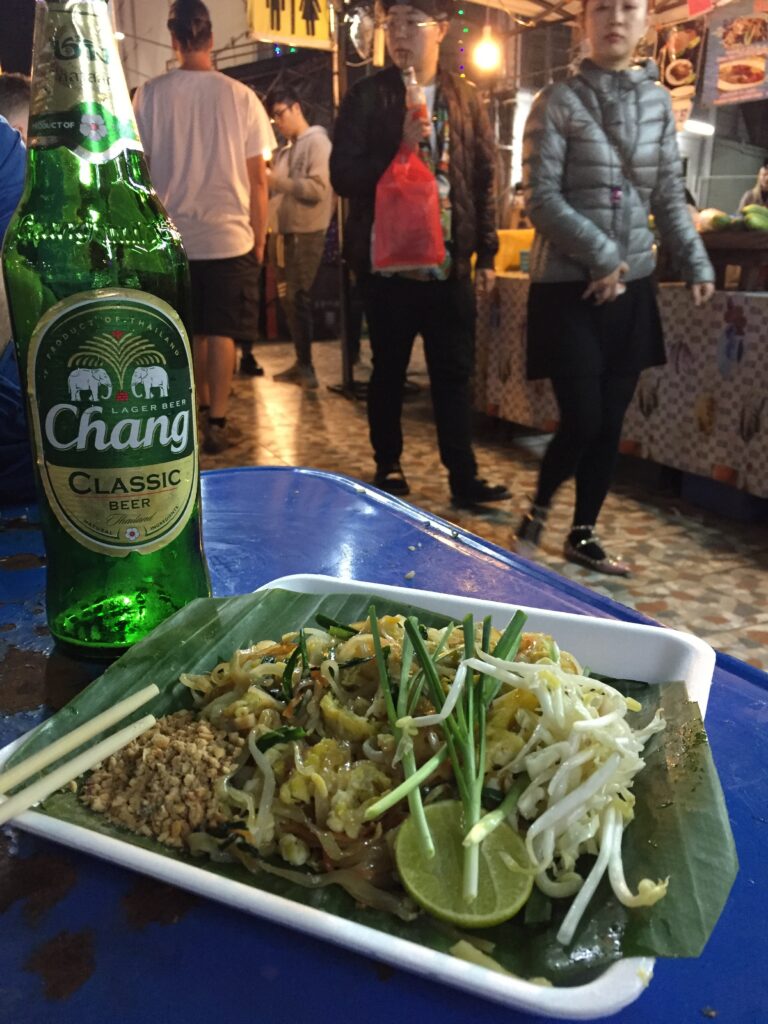
That evening, head to the Sunday Night Walking Street, or the Saturday Night Walking Street on Wualai Road if your timing aligns. Most Thai cities can brag about their respective night markets. People flock to these gatherings after dark, as vendors from all over offer the best street food, souvenirs, apparel and artwork from hundreds of stalls.
A few tips:
- Don’t buy the first nice thing you see. Many stalls offer the same types of items and you might find something cheaper deeper into the market.
- You can negotiate a little if you want to buy a few things in bulk.
- There are a few local talented artists offering unique goods you won’t find anywhere else.
- Keep an eye out for people running stalls who actually create the things they sell. We picked up some beautiful screen-printed t-shirts and a hand-painted canvas of a monk and temple, both down side alleys you wouldn’t have noticed otherwise, and we were able to chat with the creators.
There is food intermittently throughout the souvenir stands. You can pick up savory pancakes, chicken on a stick and sticky mango rice. However, keep an eye out for the designated area of just food vendors, it’s much better. Deep in the epicenter of the markets is Wat Sri Suphan. The day we were there, it was a kind of open house, welcoming visitors (dressed appropriately) to explore the grounds. To the left is a totally silver temple that stands out glimmering against the night sky. It should not be missed.
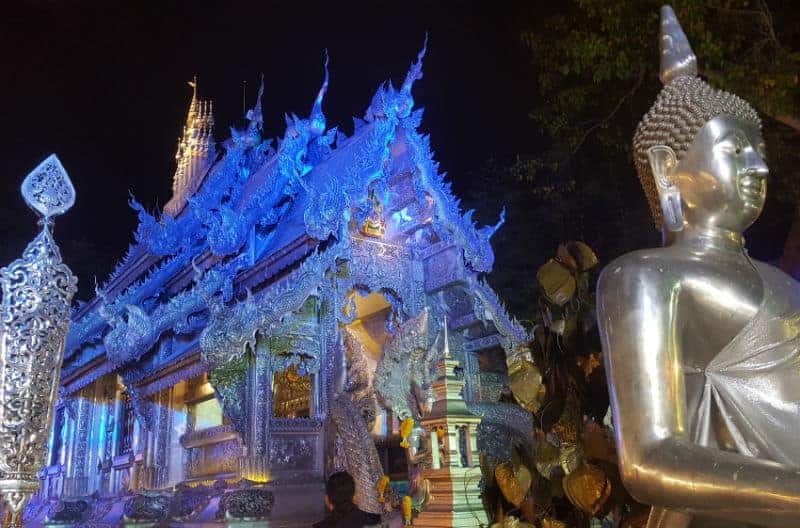
Note: the main ordination hall is traditionally closed to women, but the surrounding grounds, shrines and silversmith workshops are open to everyone.
Day 2: Temples, Khao Soi, and a Cooking Class
Chiang Mai has over 300 temples. Beyond Doi Suthep (covered on day 3), a few stand out as genuinely unmissable:
- Wat Phra Singh anchors the western end of the Old City with one of Thailand’s most venerated Buddha images and stunning Lanna golden architecture.
- Wat Chedi Luang in the central Old City contains a massive, partially ruined 600-year-old stupa and hosts monk chat sessions: a pretty interesting cultural exchange.
- The Wat Umong at the base of Doi Suthep Mountain, is entirely different from every other temple in the city: ancient tunnels lead to underground shrines beneath a forested setting with turtles in a pond and almost no crowds.
For all temples: cover shoulders and knees, remove shoes at the entrance, and don’t turn your back on any Buddha statues.
Chiang Mai’s signature dish is khao soi: a coconut curry noodle soup with crispy fried noodles on top that defines Northern Thai cooking. Huen Phen, a 40-year-old family restaurant in the Old City, is one of the most authentic and consistently good places to try it.
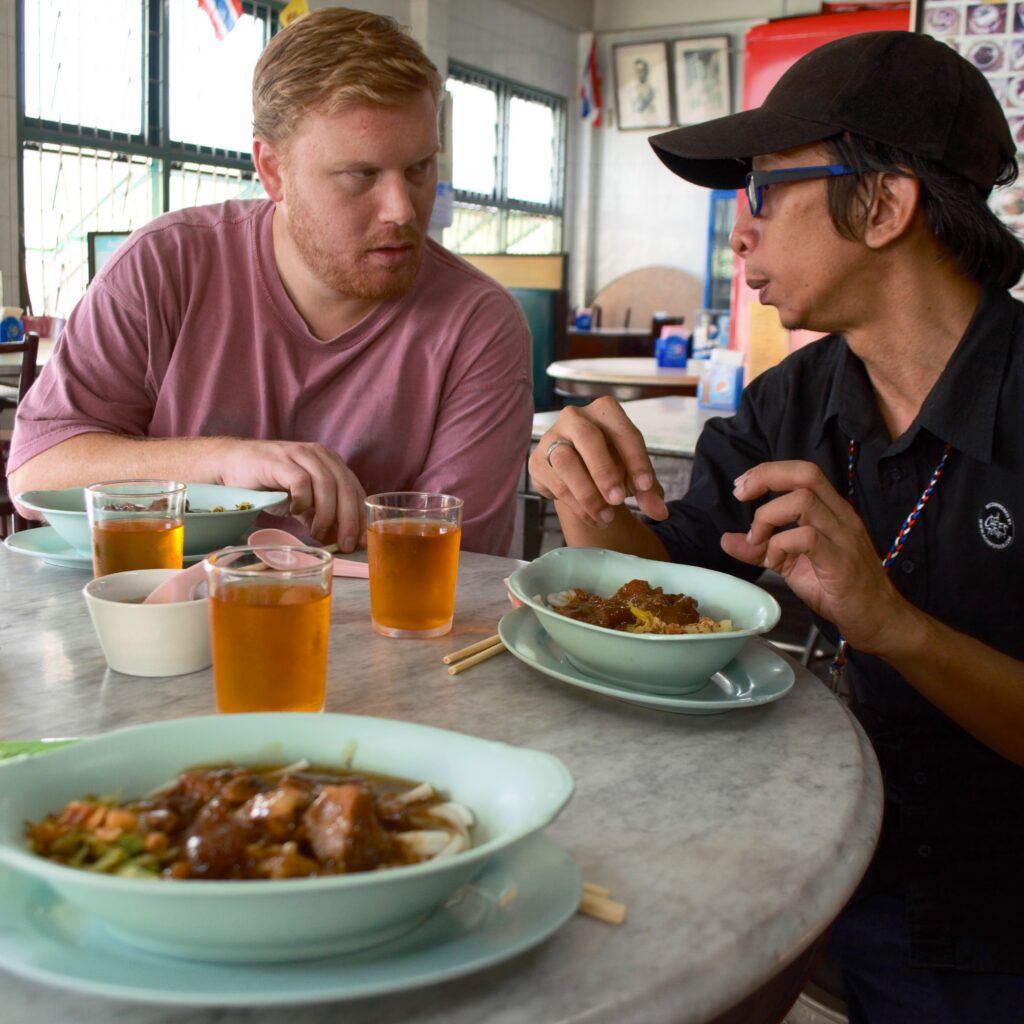
In the afternoon, a cooking class is one of the best things you can do in Chiang Mai, especially with a group. Thai Farm Cooking School runs full-day programs that include a morning market tour, an organic farm visit where you pick herbs from the ground, and cooking six dishes at individual stations overlooking rice paddies: a beautiful setting, relaxed pace. Benny’s Home Cooking caps classes at nine people and includes Thai cocktails during the cooking session, which is ideal for a group that wants the experience to feel social.
For the evening, the Nimman neighborhood has the best bar scene in Chiang Mai outside the Old City. Continental on Nimman Soi 5 is a speakeasy hidden behind a bookshelf, worth finding. North Gate Jazz Co-Op near Chang Phuak Gate hosts nightly jam sessions that spill into the street and are completely free.
Day 3: Doi Suthep and the Journey Down
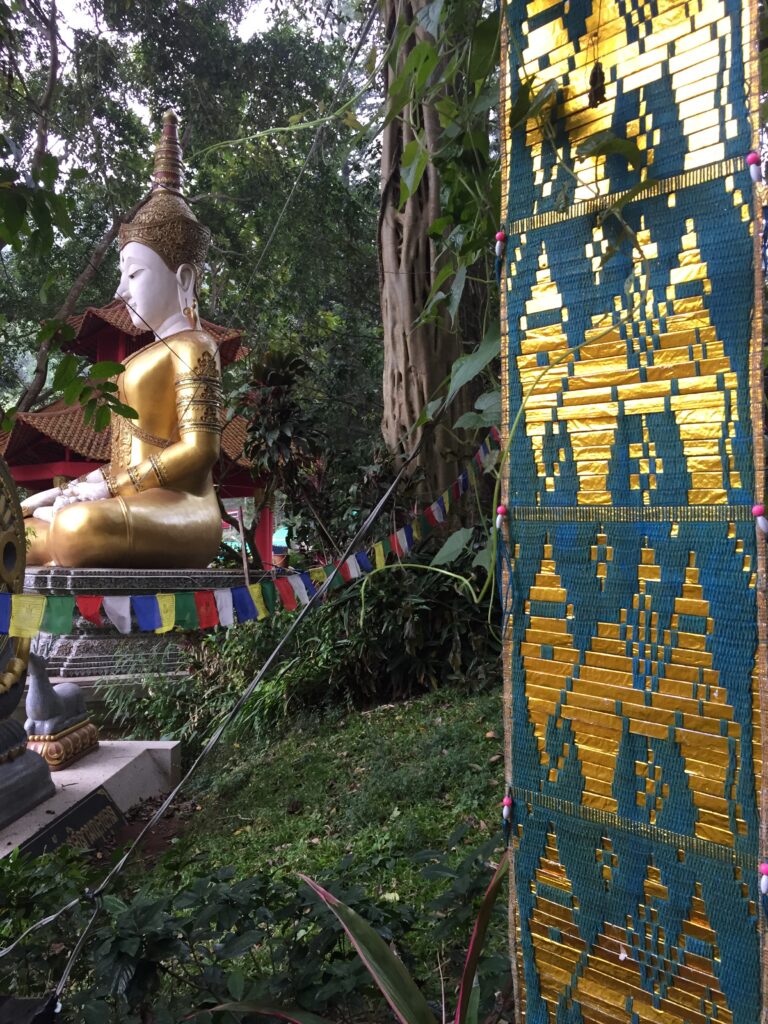
While the temple of silver is a sight to see, it’s well worth venturing outside the city to check out one of Chiang Mai’s most famous holy spaces. It’s a 30-minute drive or so back into the mountains, which leads to the temple grounds. But it’s not easy. You’ll have to climb 306 steps to reach the main gate. Feel free to peruse vendor stalls and pick up food before making your way up the ornate stairs.
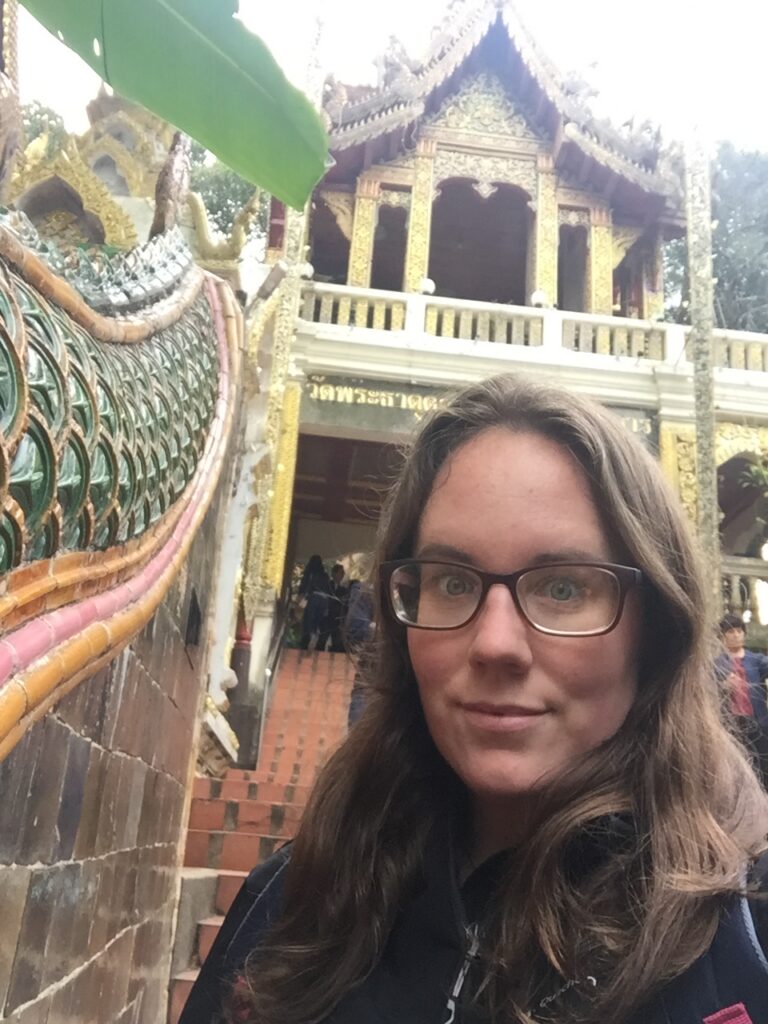
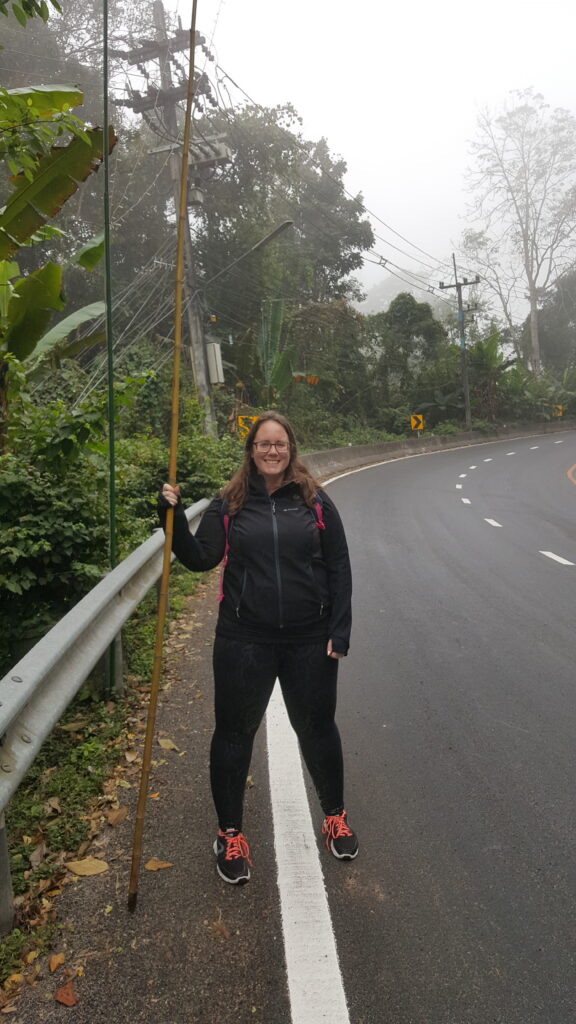
Both men and women should have their shoulders covered and either a skirt or pants that reach the ground. You also must remove your shoes at the door. It’s good etiquette not to turn your back on any Buddha statues.
If you’re feeling particularly adventurous, you can take local transportation back down the hill. While a taxi will deliver you back to your hotel, there are dozens of bright red songthaew trucks that are happy to bring you downtown for a small flat fare. It’s not glamorous! But it’s a thrill to watch the jungle whiz by from the open air of the back of the truck. Hold on, there are only bench seats.
The best time to visit Chiang Mai really is year-round. But do keep in mind, it can be fairly cold up in the misty mountains. During the winter months, a jacket was needed for dining outside and exploring. Avoid March and April specifically, when agricultural burning creates serious air quality issues across the region.
Planning Your Thailand Trip
Getting There and Getting Around
You’ll fly into Bangkok’s Suvarnabhumi Airport (BKK) from most international origins. Domestic connections to Phuket, Chiang Mai, and Koh Samui are efficient and plentiful. Budget airlines like Thai AirAsia and Thai Lion Air depart from Don Mueang Airport (DMK) on the other side of Bangkok, while full-service carriers use Suvarnabhumi. Check which airport your onward flight uses before booking transfers.
Here’s some options for Bangkok to Chiang Mai flights.
Bangkok to Chiang Mai takes about an hour and 20 minutes. Bangkok to Phuket is similar. Getting to the Koh Yao islands or Koh Lanta requires flying into Phuket or Krabi and taking a speedboat or ferry: your hotel can usually arrange this transfer.
Within Bangkok, the BTS Skytrain and MRT subway cover most tourist routes efficiently. The Chao Phraya Express Boat is the most scenic way to reach the Grand Palace and Wat Arun. In Chiang Mai, Grab works reliably and eliminates haggling. The iconic red songthaews run a flat fare per person within the city, and a group can hire one privately by the hour. Download Grab and set up payment before leaving home.
Visa and Entry for US Citizens
US citizens enter Thailand visa-free for up to 60 days under the current exemption policy. No pre-application is required, so bring a passport valid for at least six months and, if asked, proof of onward travel within 60 days.
One new requirement as of May 2025: all travelers must complete the Thailand Digital Arrival Card (TDAC) within 72 hours of arrival at tdac.immigration.go.th. It is free on the official portal. Avoid third-party sites charging fees for this. You receive a QR code to show at immigration.
When to Go
The cool and dry season from November through February is the most comfortable window across all of Thailand: pleasant temperatures, low humidity, and clear skies. This is also peak season, so expect higher hotel rates and more company on the beaches.
The Gulf islands (Koh Samui, Koh Phangan) and the Andaman coast (Phuket, Krabi, Koh Lanta) run on different monsoon patterns. The Andaman coast is best November through April. The Gulf islands can be enjoyed mid-year when the Andaman side is wetter. If you’re doing both in one trip, plan accordingly. Avoid Chiang Mai in March and April due to burning season.
Money
The Thai baht exchanges very favorably against the US dollar, making Thailand a destination where your money goes a long way across all price points, from incredible street food to genuinely world-class luxury resorts. Thai ATMs charge a fee per foreign withdrawal, so withdraw in larger amounts less frequently. Thailand is largely cash-based day-to-day, so always carry some on hand.
A Note for Women Traveling
Thailand is considered one of the safest destinations in Southeast Asia for women traveling solo or in groups. The most common issues are tourist-facing scams rather than personal safety concerns. Use Grab instead of hailing transport near major tourist sites. At temples throughout the country, covered shoulders and knees are both respectful and required for entry.
Thailand is much more than any one itinerary can hold. But this combination of Bangkok’s energy, the Andaman coast’s beauty, the quiet of the Koh Yao islands, and the culture of Chiang Mai covers the essential range of what makes it so endlessly worth returning to. I’ll be back soon!
Looking for more Southeast Asia inspiration?
READ MORE: Why Laos Is The Ultimate Southeast Asian Country To Get Lost In





A wonderful itinerary! Thailand is one of my favorite countries. Seven days is not enough but its better than nothing! Your photos are beautiful!
Love your pics! Love Thailand! Looks like you had a great time!
We still haven’t visited any part of Asia with the kids yet but Thailand is so incredible. We really need to start planning. The food, beaches and architecture from north to south is amazing. I can’t wait to experience it!!
Amazing 🖤 blog. Thank you fir sharing this travel guide
I miss 30 baht Thai massages every night and all that incredible food. The resorts around Phuket look really off the hook and that infinity pool OMG that’s amazing!
Such fun tips. I definitely need to return and spend time in that Old Town area and visit rooftop bars and especially scuba dive. I’d love to splurge a couple of nights for that luxury too. Dreamy post. Pinned for later.
Thailand is the #1 country we want to visit — our only problem is deciding how long to spend there! Typically we only get one week off, so a 7-day itinerary is perfect. Bangkok, Phuket, and rooftop bars for sure… would love to add on Chiang Mai but it looks like it would make more sense to do Koh Yao Nai and Koh Yai Yai if we just have a week. Love your photo with the Singha beer, by the way. We really need to visit Thailand!!
These are some really great tips! Thank you so much for sharing!
We still haven’t visited any part of Asia with the kids yet but Thailand is so incredible. We really need to start planning. The food, beaches and architecture from north to south is amazing. I can’t wait to experience it!!
Your Thailand travel posts have been incredibly helpful. Eagerly awaiting your upcoming blogs!
Thanks a bunch!
thank you so for sharing this The Perfect Thailand Itinerary with us.
beautiful blog post about The Perfect Thailand Itinerary.
Awesome destination… Surely adding it to the list… Thanks for sharing!
Amazing 🖤 blog. Thank you fir sharing this travel guide
thank you so for sharing this Awesome destination of Thailand.
what a Wonderful post! I really like it.
This 7‑day Thailand itinerary by Pure Wander gives a great mix of culture and beach vibes from exploring Bangkok’s vibrant city life to relaxing on the islands like Koh Yao Yai and island‑hopping around Phang Nga. It’s perfect if you want a bit of everything in one week!
Really enjoyed this 7-day Thailand itinerary it offers such a well-balanced mix of culture, adventure, and relaxation. I like how it moves from the energetic streets of Bangkok to the peaceful island atmosphere of Koh Yao Yai and the stunning scenery around Phang Nga.
The combination of city exploration, island hopping, and downtime on the beaches makes it feel very well thought out for travelers who want a bit of everything without feeling rushed. It’s the kind of itinerary that works perfectly for a first-time visit or even a quick tropical escape.
Overall, a great guide that really captures the diversity and beauty of Thailand in just one week.
What a fantastic guide! I love how it goes beyond the usual tourist spots and blends vibrant cities, island escapes, local culture, and hidden gems into one itinerary. The mix of practical tips and personal experiences makes Thailand feel both exciting and approachable.
Loved how this itinerary goes beyond the usual Thailand highlights and includes authentic local experiences. Phang Nga sounds like a real gem!
Love how this itinerary mixes Thailand’s famous spots with lesser-known local experiences. The Phang Nga markets and Phuket Old Town sections especially make this guide feel authentic and useful!
Loved how you mixed Thailand’s famous spots with quieter places like the Koh Yao islands. A great itinerary for seeing different sides of the country!